
We helped a leading retail brand grow revenue and increase customer retention by implementing a ML-driven Customer Lifetime Value model

Results
0 %
Reduction in Churn Rate
0 %
Increase in Customer Retention
0 %
Growth in Revenue
Challenge

The client faced a challenge with the lack of predictive insights into customer spending, leading to uncertainties in strategic decisions, and inefficient customer segmentation, causing suboptimal retention strategies and marketing inefficiencies.

The Solution

ADA helped to implement a machine learning-driven Customer Lifetime Value (CLV) model, intricately forecasting customer spend and churn, which, alongside Salesforce integration, enhanced targeted marketing efforts and enabled data-driven decision-making to significantly improve customer retention and sales outcomes.

The new model resulted in an 8% reduction in churn rates, a 20% increase in revenue from CLV-based marketing campaigns, and a 17% boost in customer retention through personalized incentives.


The Results
The Challenge
The Solution
Contact

Let’s turn your data and AI into measurable outcomes

We helped a leading retail brand grow revenue and increase customer retention by implementing a ML-driven Customer Lifetime Value model

We helped a leading retail brand grow revenue and increase customer retention by implementing a ML-driven Customer Lifetime Value model

Results
0 %
Reduction in Churn Rate
0 %
Increase in Customer Retention
0 %
Growth in Revenue
Challenge

The client faced a challenge with the lack of predictive insights into customer spending, leading to uncertainties in strategic decisions, and inefficient customer segmentation, causing suboptimal retention strategies and marketing inefficiencies.

The Solution

ADA helped to implement a machine learning-driven Customer Lifetime Value (CLV) model, intricately forecasting customer spend and churn, which, alongside Salesforce integration, enhanced targeted marketing efforts and enabled data-driven decision-making to significantly improve customer retention and sales outcomes.

The new model resulted in an 8% reduction in churn rates, a 20% increase in revenue from CLV-based marketing campaigns, and a 17% boost in customer retention through personalized incentives.

The Results
The Challenge
The Solution
Contact

Let’s turn your data and AI into measurable outcomes

We empowered a leading food delivery player to improve customer experience with impact analysis and SOP change

We empowered a leading food delivery player to improve customer experience with impact analysis and SOP change

Results
We observed a drop in wrong order % by one point
Challenge

The client is a leading food delivery and Q-Commerce platform in India, with over 100 million customers and a revenue of $900 million. They are revolutionizing the industry with their  technology and commitment to customer satisfaction.

The client faced a challenge in ensuring the accuracy of food orders delivered to customers through its platform. Instances of incorrect orders being handed over to delivery executives by restaurants have led to a surge in customer complaints and a decline in overall order ratings.

The absence of a centralized tracking system further exacerbated the issue, resulting in low visibility and hindering the client’s ability to effectively monitor and address these discrepancies. Thus, there was a need to conduct an impact analysis of reforming the Order Handover Standard Operating Procedure (SOP) to mitigate the frequency of wrong order deliveries and enhance customer satisfaction.

The Solution
1 Pre-Post Analysis to asses impact

In addressing the challenge, we adopted a structured approach involving Pre-Post Analysis to comprehensively assess the impact of the proposed SOP reform. Our solution entailed the introduction of QR scanning during order handover from restaurants to delivery executives. To evaluate the effectiveness of this reform, we conducted a 1-month transaction period pilot with selected restaurants.

During this pilot phase, restaurants were categorized into different cohorts based on their adherence to the reform and the type of Kitchen Order Ticket (KOT) system used (handwritten/POS). We meticulously assessed both check and success metrics across these cohorts to gauge the reform’s impact.

Dashboarding

To facilitate ongoing monitoring and analysis post-scale-up, we developed a robust dashboard. This dashboard provides a clear and concise view of various metrics related to the reform’s impact. It offers insights at multiple levels, including city, brand, restaurant, and KOT type, enabling stakeholders to track performance effectively and make informed decisions.

Results
Challenge
Solution
Contact

Let’s turn your data and AI into measurable outcomes

We helped leading Food Delivery and Quick Commerce brand increase orders through increased partner restaurant ratings

We helped leading Food Delivery and Quick Commerce brand increase orders through increased partner restaurant ratings

Results
0 %
Increase in platform level restaurant ratings
0 %
Of restaurants observed improved restaurant ratings
0 %
increase in OPD (Order per day)
Challenge

The customer is a leading food aggregator connecting restaurants to over 100M customers across the continent, generating $900M in revenue.​

The client faced challenges with its monthly payout protocol and SOP, which led to restaurant partner attrition and lower NPS, partly due to non-collaborative deductions for customer complaints.​

ADA helped to revamp SOP by addressing partner concerns with a restructured SOP for equitable gratification practices and a Power BI dashboard for real-time performance tracking and monitoring complaints such as viewing rates, response rates and gratification acceptance.​

The strategic changes resulted in a 7% increase in NPS, a 3% decrease in partner attrition, and improved engagement with the revised SOP.​

Solution

ADA designed a data-driven Strategic Pricing Solution that replaced broad, one-size-fits-all promotions with precise, behaviour-based incentives aligned to the client’s growth and profitability goals.

We began by analysing historical order data, customer lifetime value, and price sensitivity patterns to identify meaningful behavioural segments. Customers were then grouped into frequency-based and value-based buckets, enabling tailored cashback strategies that encouraged faster repeat purchases without overspending on incentives.

Results
Challenge
Solution
Contact

Let’s turn your data and AI into measurable outcomes

We improved client’s lead management by integrating Customer Data Platform (CDP) with Salesforce

We improved client’s lead management by integrating Customer Data Platform (CDP) with Salesforce

The Results
Significant increase in qualified lead acquisition and conversion efficiency
Accelerated sales cycles and heightened productivity with minimal manual intervention and time-to-close.
Improved marketing strategies and customer engagement
Reduction in operational costs and maximised ROI
The Challenge

Our client is a leading digital imaging and networking technologies company. They were gearing up for a brand-new marketing initiative. The strategy encompasses the development of a website, a revitalised marketing and sales pipeline, and a comprehensive lead management system.

The Solution
1 Digital Integration

The absence of a cohesive digital ecosystem that encompasses a new website, marketing channels, and a B2B-tailored lead management system. ​

2 Data Consolidation

Lack of visibility due to the absence of seamless integration of various activities and customer interactions into a single platform.​

3 Reporting and Alerts

A need for the development of a comprehensive reporting and dashboard system to provide real-time insights. Establishing an efficient alert mechanism is essential to notify the regional sales teams across 7 countries about critical leads and updates.​

With CDP implementation, ADA helped manage leads more effectively by establishing a cohesive digital ecosystem and streamlining the sales process.​

The Execution
4 Website Integration and Lead Generation

First, we integrated essential lead generation forms such as ‘Contact Us’, ‘Content Download’, and ‘Webinar Registration’ on the website. This captures every customer interaction as a potential lead, funnelling them directly into the sales pipeline and ensuring no opportunities are missed. ​

5 Marketing Channel Integration

​Digital marketing channels like Mailchimp were seamlessly integrated for email campaigns and LinkedIn for targeted ads. This strategy aims to widen the reach and ensure consistent messaging across platforms. ​

6 Lead Segmentation and Alerts

​Next, we implemented an automated system for lead segmentation based on market and other pertinent criteria. This facilitates personalized communication and enables regional sales teams in 7 countries to receive timely alerts about critical leads, ensuring immediate and relevant follow-up. ​

7 Lead Deduplication and Verification

A mechanism was established for de-duplicating lead entries. This system was integrated with Mailchimp to send confirmation emails after form submissions, verifying the authenticity of email addresses. This process enhances the quality of leads and focuses sales efforts on genuine prospects.​

8 Lead Scoring Model

We then developed a comprehensive lead scoring model that ranks leads based on their engagement level, potential for conversion, and other key factors. This model aids in prioritizing leads and strategically guiding them through the sales funnel.​

9 Comprehensive Dashboard and Analytics

We deployed Power BI to create an all-encompassing dashboard, acting as a control centre for real-time monitoring of metrics such as lead funnel progress, engagement rates, conversion rates, and campaign effectiveness. This centralization facilitates informed decision-making and ongoing performance optimization. ​

10 Salesforce Integration

Finally, we integrated the Customer Data Platform (CDP) with Salesforce (SFDC) to provide the sales team with seamless access to comprehensive lead information and customer interactions. This integration ensures an efficient lead management process and enhances the capability of the sales team to effectively engage with leads at every stage of the sales cycle.​

The Results
The Challenge
The Solution
The Execution
Get in touch

Let’s turn your data and AI into measurable outcomes

We helped global leading electronics brand improve data quality and operational efficiency

We helped global leading electronics brand improve data quality and operational efficiency

The Results
Improved collaboration between data teams
Faster time to ingest, analyze, and extract business insights
The Challenge

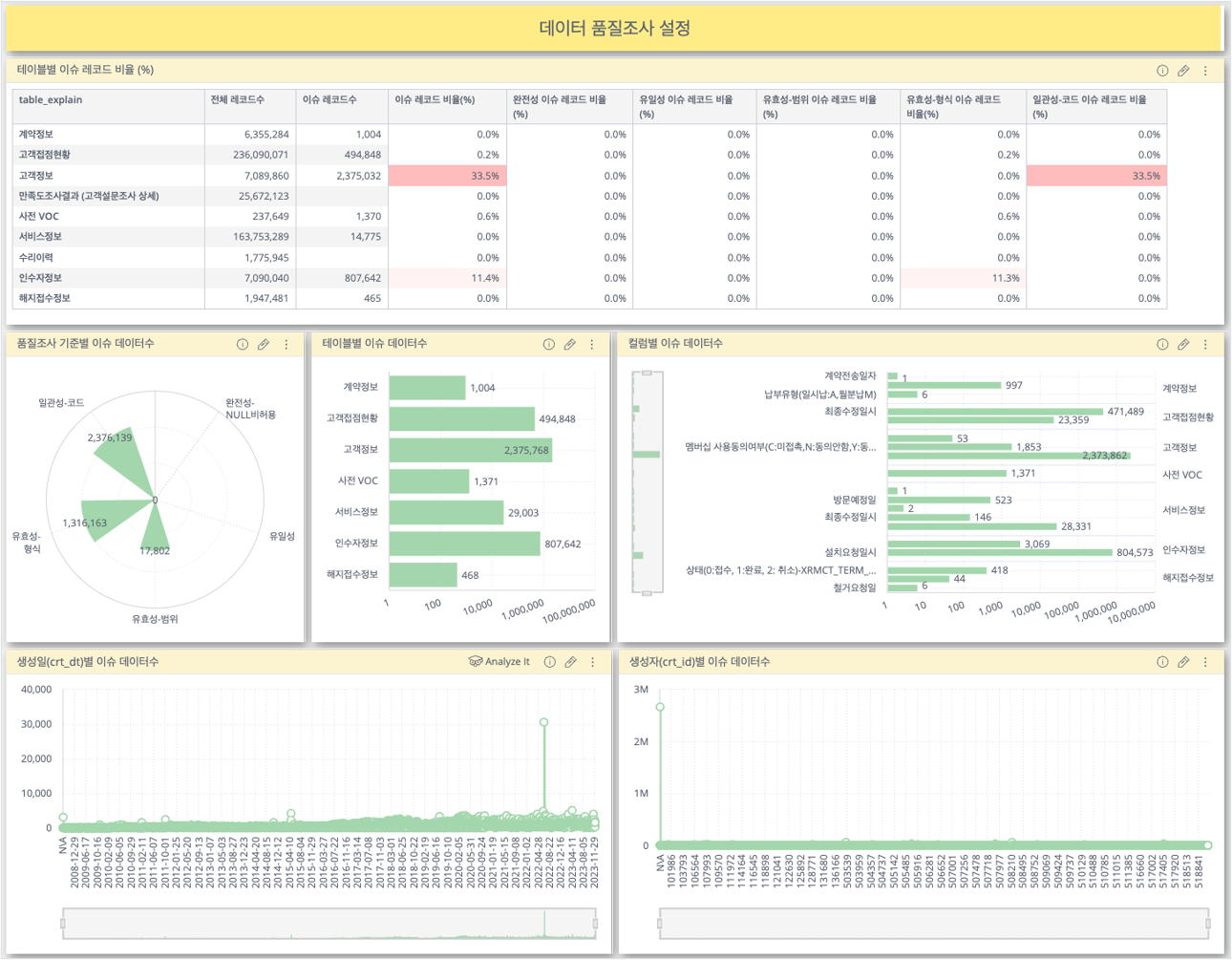
The client faced challenges with critical data management problems with insufficient data quality and quantity. Identifying the right business priorities and establishing a system for effective data monitoring and automation were crucial needs.

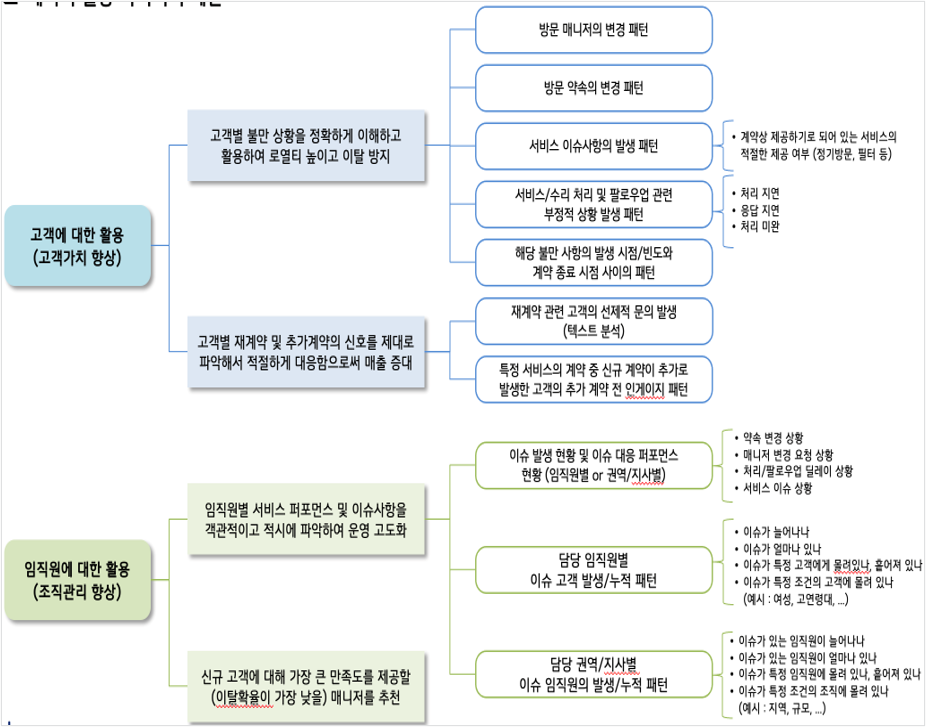
ADA helped to implement the solution entailed establishing an ongoing data quality analysis framework, creating a real-time monitoring dashboard, designing a data categorization system for informed decision-making, and conducting in-depth data schema and operational consultations.

The new data management strategy allowed the client to Identify and address fundamental data quality and quantity issues, Implement a custom monitoring and analysis tool, select and apply specific business use case for fieldwork, setting a precedent for data-driven actions in 2024.

The Solution
ÌÖçÏä§Ìä∏, ÎùºÏù∏, Î≤àÌò∏, ÌèâÌ≥âÏù¥(Í∞Ä) ÌëúÏãúÎêú ÏǨÏß≥ÏûêÎèô ÏÉùÏ≥±Îêú Ï≥§Î™Ö
Custom Dashboard for current status and root cause analysis
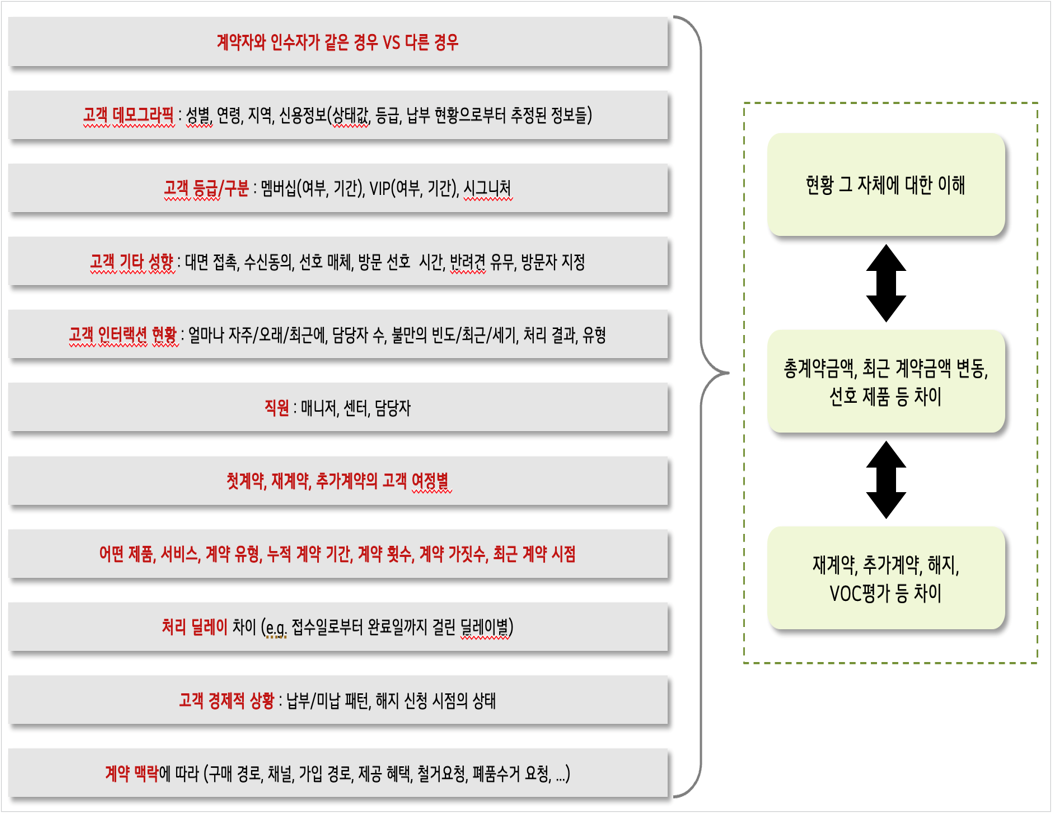
Categorizing the client’s data for business use
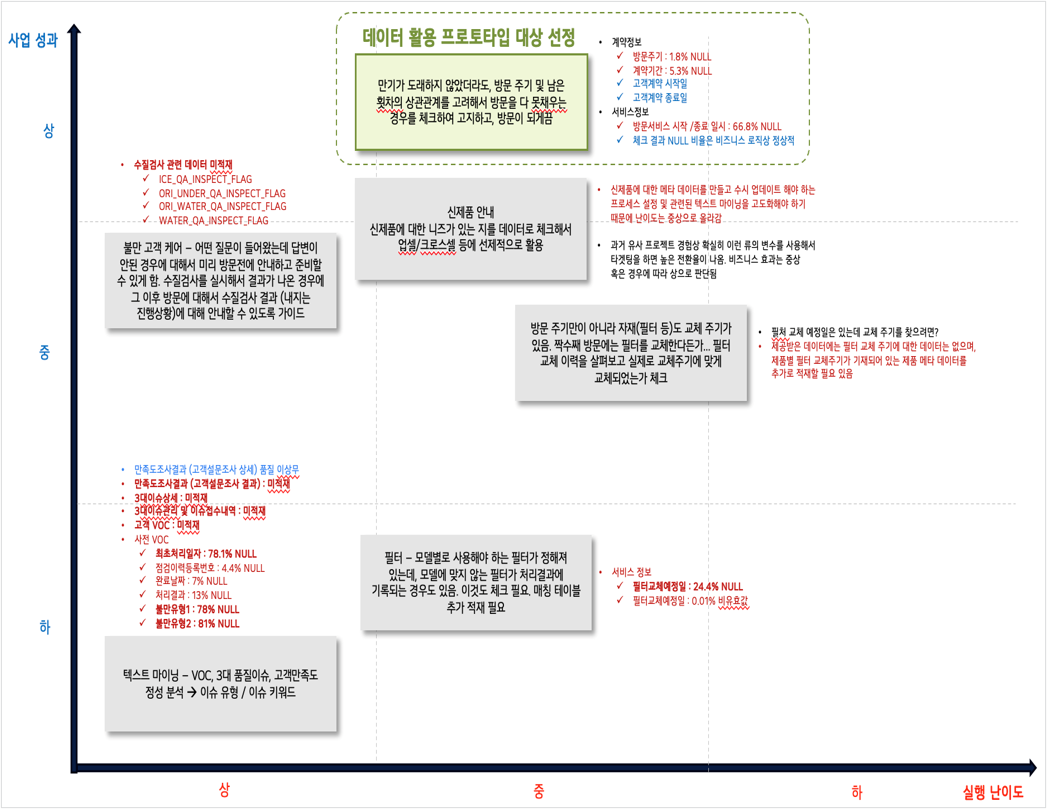
Prioritizing business actions by assessing impact, difficulty and data readiness
Consensus on specific, detailed business actions for the client to execute using their data
Dashboard for the pilot use case to identify service risks
Garbage In, Garbage Out.
Client testimonial
Kibum Kim, VP of Business Operations Management
“The path to successful digital transformation lies in rapid implementation of straightforward and focused business actions, supported by the right data—we now have what we need, thanks to ADA.”
The Results
The Execution
The Approach
Get in touch

Let’s turn your data and AI into measurable outcomes

ADA helped a global biotechnology company unify geographically disparate data and create controlled access to help researchers in their decision making processes

ADA helped a global biotechnology company unify geographically disparate data and create controlled access to help researchers in their decision making processes

The Results
0 s
Faster access of batch and near real time data for the researchers.
Improved the precision of analytical outcomes and research findings.
The Execution

The customer is a leading biotechnology company that seeks to invent, develop, and commercialize life-transforming medicines for people with serious diseases. Data is key to the organization as it helps business intelligence, analytics teams, and researchers conduct accurate analyses, derive meaningful insights and drive decision making processes.

The customer faced several challenges with their existing data. Firstly, the data resided in siloes spread across different geographies. This made it challenging for business users to find the relevant data for their use cases. Secondly, there were various formats and complexity of data available. Finally, there were no data access governance in place exposing all research data for consumption.

The Solution

ADA built an end-to-end data pipeline to consolidate the disparate data sources and data formats into a single standardized data model. The data pipeline was augmented with data quality checks and tests to enforce rigorous data quality standards. Finally, we deployed a data governance tool to enable fine grained access controls across the business units.

The Results
The Execution
The Solution
Get in touch

Let’s turn your data and AI into measurable outcomes

We helped a leading global electronics brand improve data-driven user experience to enhance the customer conversion rate

We helped a leading global electronics brand improve data-driven user experience to enhance the customer conversion rate

The Results
0 %
Reduced CVR
Project expansion to implement the data-backed UX improvements across all key webpages
The Challenge

The customer is the service arm of a leading global consumer electronics brand.

However, they had no concrete proof on how the website user experience affected service conversion rates. Previous attempts to improve the user experience was only based on qualitative analysis and was not backed up by data.

ADA helped by validating the quantitative analysis using internal UX experts benchmarking against competitor’s websites. We established an always-on monitoring system to facilitate design improvements to the website.

Subsequently ADA developed Data Solution Dashboards to pinpoint specific UI areas for improvement, analyzed user experience bottlenecks affecting user journey goals, and identified patterns for non-converting customers.

The data insights were the foundation for ADA’s UX redesign and website improvement plans.

The Solution
Summarizing qualitative consulting with industry benchmarking
Analyzing data to pinpoint issues and devise effective solutions
Recommended new web UX design derived from comprehensive qualitative and quantitative research

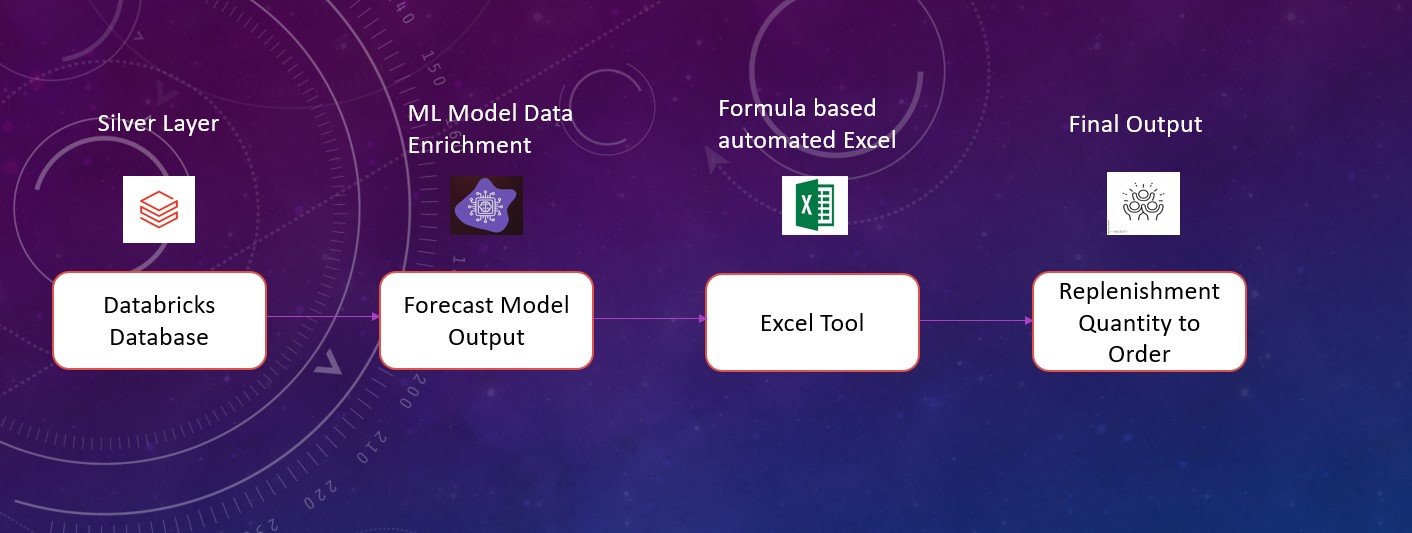
We developed a robust demand forecasting model leveraging advanced techniques including ARIMA, SEM, and Fb-Prophet, complemented by a user-friendly Excel tool for stakeholder convenience.

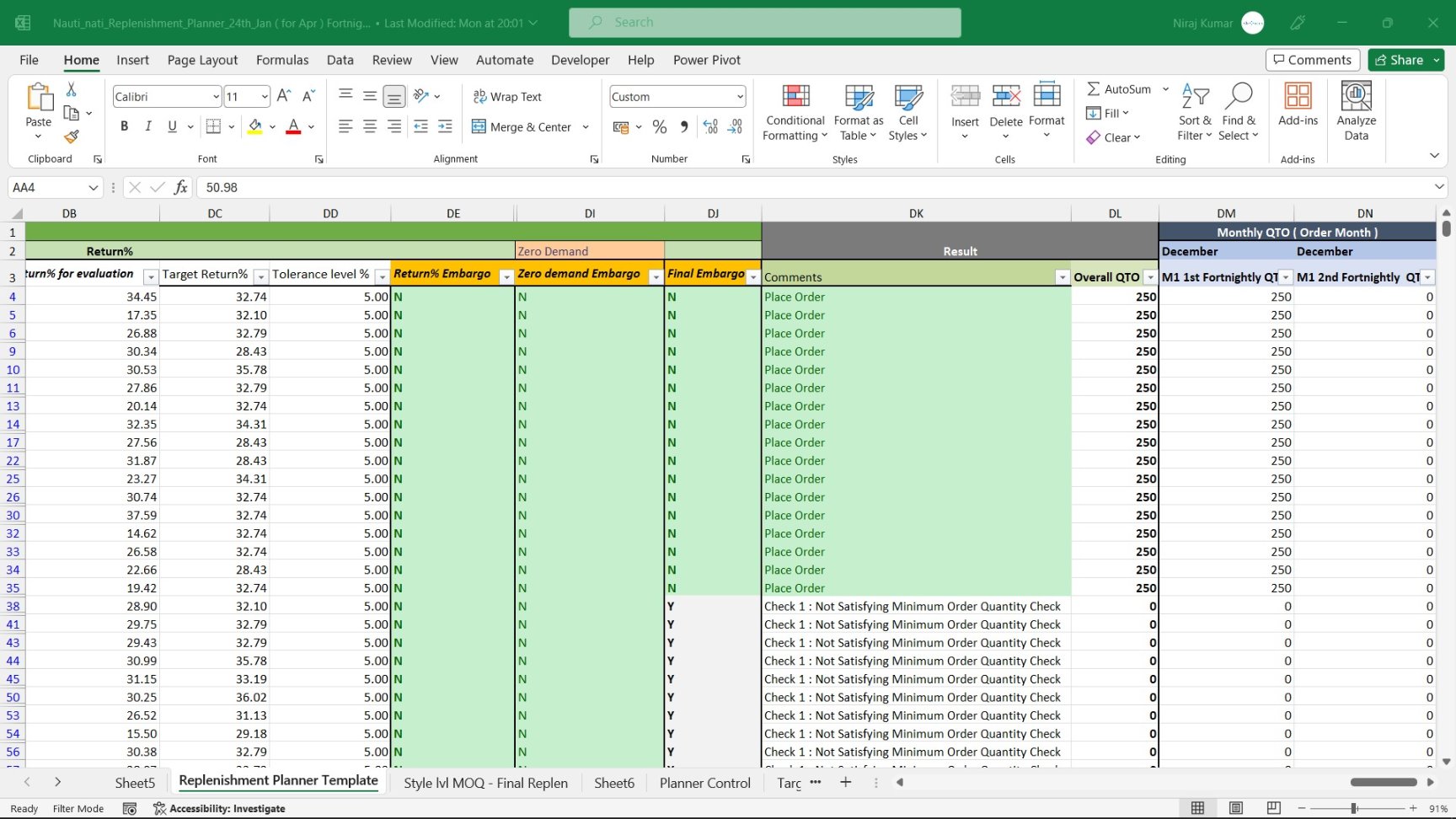
The Supply Chain and Growth teams now have access to a bi-weekly updated tool, providing a comprehensive overview of inventory levels at various tiers. This tool empowers teams with the flexibility to adjust and place inventory orders based on specific targets and requirements.

By enabling decision-making based on data-driven insights, our solution equips the Supply Chain and Growth teams to make more informed choices. This scientific approach enhances operational efficiency and ensures strategic decisions align with mathematical logic, driving sustainable business growth.

A screenshot of a computerDescription automatically generated
The Results
The Execution
The Solution
Get in touch

Let’s turn your data and AI into measurable outcomes

We empowered a leading ecommerce brand to drive growth by enabling data-driven decisions

We empowered a leading ecommerce brand to drive growth by enabling data-driven decisions

The Results
0 %
Of Working Capital Blockage was freed , enabling new style introductions and design experiments
The Execution

A dynamic venture poised to revolutionize India’s fashion and lifestyle landscape. With a visionary approach, The customer is on a mission to construct the nation’s premier House of Brands, setting the stage for unparalleled growth in the direct-to-consumer (D2C) sector across India.

Our client’s supply chain team grappled with manual forecasting and inventory replenishment, leading to a 300% increase in working capital blockage beyond buffer levels.

Excess inventory accumulation burdened the SCM team, escalating warehouse costs. There’s a critical need to streamline inventory management, adopt data-driven demand planning, and minimize warehouse costs and overstocking issues.

The Solution
1 Analysis of historical sales trends, seasonality patterns

ADA implemented a data-driven inventory optimization and demand planning framework to address excess stock levels and free up working capital while supporting the client’s fast-growing D2C portfolio.

We began by analyzing historical sales trends, seasonality patterns, SKU-level performance, and channel demand to build accurate forecasting models. This replaced manual planning with automated demand forecasts that accounted for product lifecycle, regional demand, and promotional impacts.

2 Introduction of Intelligent replenishment rules

We introduced intelligent replenishment rules that dynamically adjusted reorder quantities and safety stock levels based on sell-through rates and inventory ageing. This ensured high-demand styles remained available while preventing overstocking of slow-moving SKUs.

3 Governance processes for periodic assortment reviews

Finally, we implemented governance processes for periodic assortment reviews and automated alerts for ageing inventory, enabling teams to plan markdowns, promotions, or liquidation strategies proactively.

This structured, analytics-led approach optimised inventory flow, reduced warehouse costs, and unlocked working capital—allowing the client to reinvest in new styles, faster launches, and design experimentation.

The Results
The Challenge
The Solution
Get in touch

Let’s turn your data and AI into measurable outcomes

ADA helped leading ecommerce brand enhance profitability and cashflow through improved inventory liquidation process

ADA helped leading ecommerce brand enhance profitability and cashflow through improved inventory liquidation process

The Results
0 crores
Clearance of excess inventory in 2 months
0 %
Maintain Contribution Margin
The Challenge

One of the leaders in the kidswear ecommerce sector innovated its inventory liquidation strategy to improve cash flow and maintain margins.

The client faced significant challenges with their monthly reporting due to time-consuming manual data verification in Microsoft D365 and the absence of a unified financial data source. This not only demanded 40+ hours monthly but also caused regulatory report delays and fines.

The Solution

ADA helped to develop a liquidation system that utilized price elasticity modeling, incorporating factor mapping, data extraction, and hypothesis testing to inform discounting strategies.

This new strategy led to significant achievements, including the clearance of excess inventory worth 15 crores in two months while keeping the contribution margin at 10% for liquidated products.

The Results
The Execution
Get in touch

Let’s turn your data and AI into measurable outcomes

We helped reduce cart abandonment rate and increased revenue for our client, with CDP integration

We helped reduce cart abandonment rate and increased revenue for our client, with CDP integration

The Results

Reduction in cart abandonment rate​ | Increase in revenue on client’s website​

The Challenge

Our client, a major consumer electronics manufacturer, boasts an extensive global presence with hundreds of operations worldwide. With more consumers shifting towards online shopping for electronics and gadgets, our client has strategically incorporated the built-in abandoned cart process as their preferred ecommerce solution, providing a versatile shopping cart system.

However, the client identified the need to enhance the flexibility of the abandoned cart process logic, as this is crucial to meet the dynamic demands of consumers.

While a substantial number of shoppers add desired items to their carts, only a fraction proceeds to the checkout stage. The drop-off not only affected the conversion rate but also highlighted a significant loss for our client.

ADA helped implement CDP and integrated it with CRM solution, devised automated emails targeted at the identified audience. As a result, the cart abandonment rate was reduced, and revenue increased.

Through the implementation of CDP, ADA executed an optimized abandoned cart workflow process by leveraging ingested customer data, encompassing opt-in details, product information, quotes, orders, inventory, and coupon data.

We developed a system that continuously gathers additional data, specifically inventory and coupon data to enhance the data pipeline. The CDP platform served as the central hub governing the entire logic of the process:

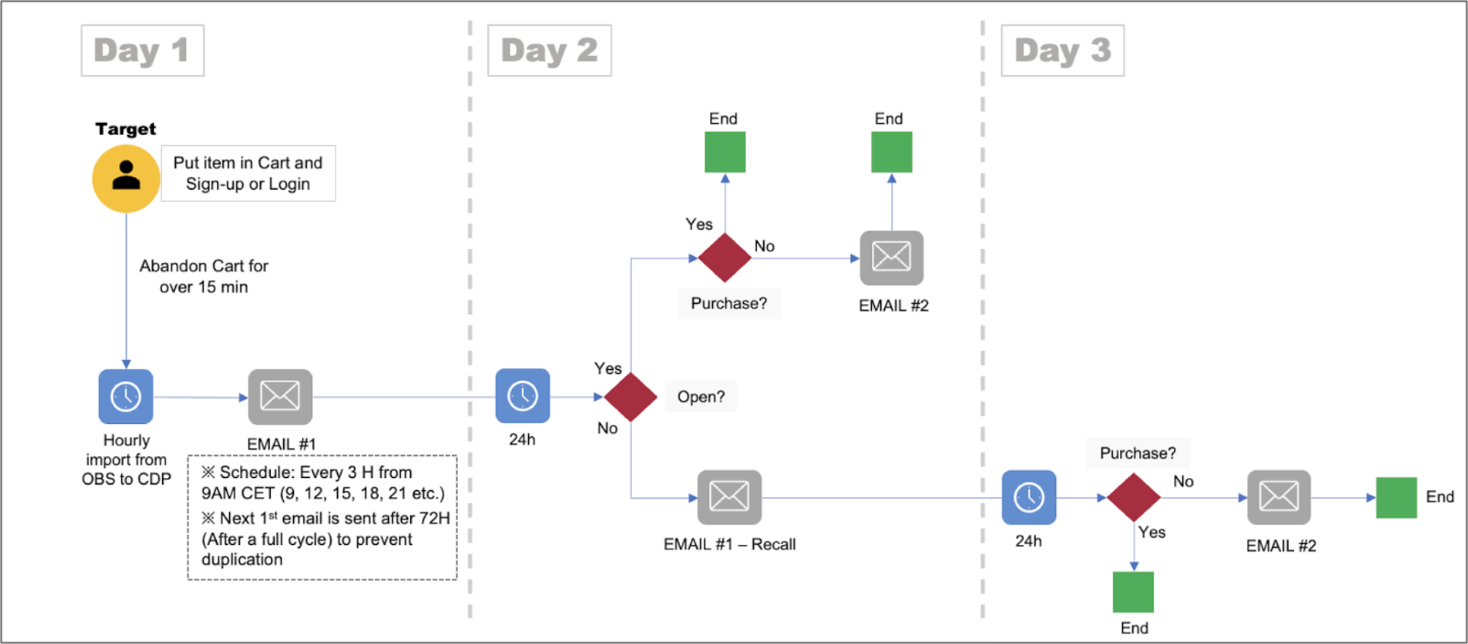
  • It orchestrated the extraction of the target audience ‚Äî those who had left items in the cart for 15 minutes ‚Äî and identified the two most expensive products in the cart.
  • It integrated coupon data with this information.

An outreach plan was devised, involving automated email targeted at the identified audience. This occurs 3 times over the span of 3 days, via a designed sequence:

We integrated the CDP system with CRM solution, MAPP. The interface was designed to send the target audience list along with details of the two related products including their SKUs and images.

  • MAPP then generated email content with relevant product information.
  • MAPP sent campaign emails to the identified target audience.

The CDP system ingested and consolidated the marketing response data received from MAPP, ensuring a cohesive approach to monitoring and analysing the effectiveness of the implemented solution.

__wf_reserved_inherit
An overview of the cart abandonment email workflow designed to encourage purchases
The Results
The Challenge
The Solution
Get in touch

Let’s turn your data and AI into measurable outcomes