
Strategic Blind Spots in Grocery Replenishment and AI Fixes

Massive Scale of Operations
Forecasting & Replenishment Not Tuned for Massive Scale
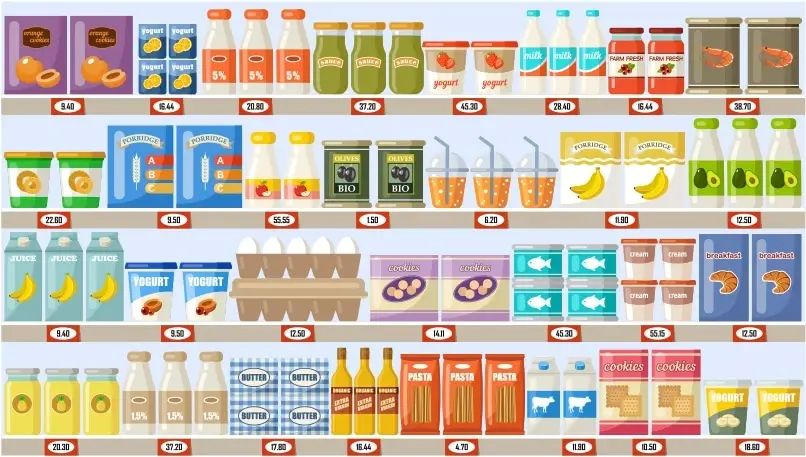
Food and grocery retail spans millions of SKUs and categories. Traditional planning tools don’t offer modeling sophistication and hyperlocal planning at such a scale.
Retailers forecast for all categories uniformly, while demand changes at the SKU level.
AI Fix:
Offers demand forecasting & replenishment planning with SKU-Location level precision.
Promo Blind Spots
Planning for “Lifts” but Missing “Shifts”
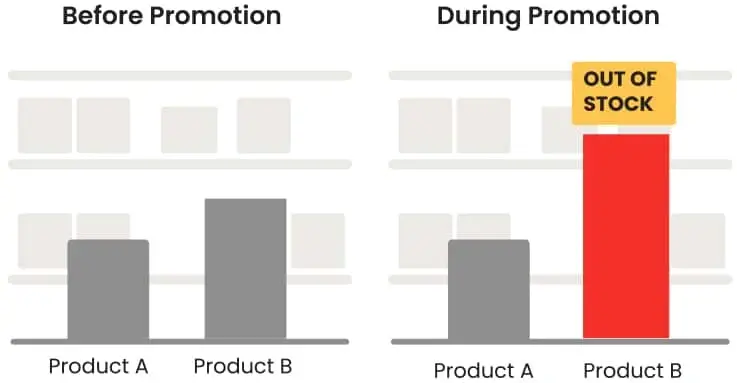
Promoted products pull demand from regular items. Hence, non-promoted items are overstocked, while promoted items go out of stock.
Retailers end up losing promo revenue despite planning.
AI Fix:
Models both demand lifts & demand shifts → balanced shelves, higher ROI.
Vendor & Supply Variations
One-size-fits-all tools ≠ Real World
Traditional demand forecasting tools ignore vendor calendars, blackout days, fill rates, and more.
Retailers juggle multiple systems, only to end up with stock imbalances and revenue loss.
AI Fix:
All supply/vendor-side factors are auto-integrated into replenishment plans.
Siloed Planning
Looking Only at Store Stock
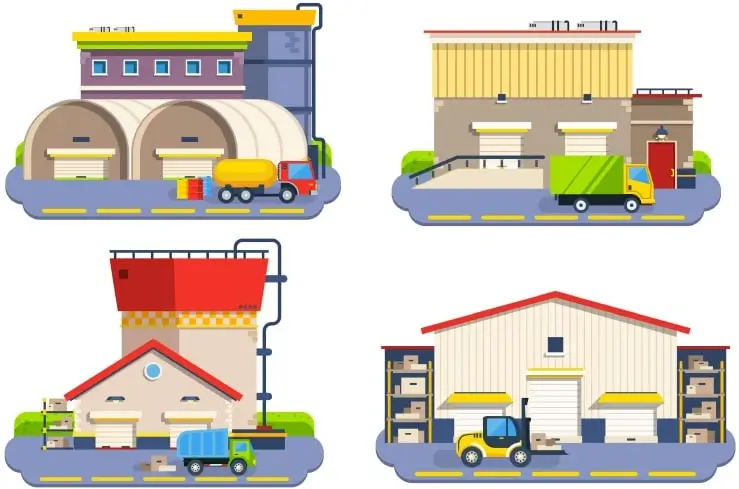
Reactive planning doesn’t optimize inventory scattered across the WH, DCs, and dark stores.
Plans are limited to store view, leading to stock imbalances and wastage.
AI Fix:
Holistic stock visibility across all nodes → higher turnover, less waste.
Vulnerability to Stock Wastage & Markdowns
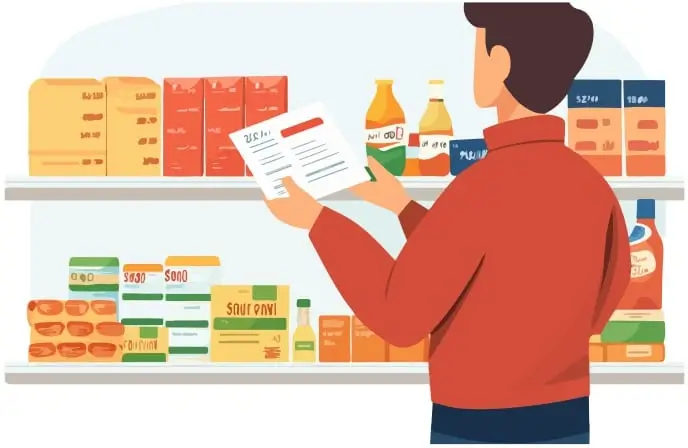
Overstocks = High Wastage + Markdowns OOS = Loss of Sales
Traditional tools lack modeling sophistication for stock optimization. Retailers have to keep the stocks high at all times to prevent OOS, bearing wastage.
AI Fix:
Penalized overstocking and rank-based stock distribution reduce wastage and prevent stockouts.
The Takeaway

Accurate forecasts

Agile & adaptive order plans

End-to-End Inventory Optimization

Resilience + ROI in volatile markets
Take your replenishment planning to the next level with Order Right.