
Health, Beauty & Wellness: 5 Replenishment Pitfalls AI Fixes

5 Replenishment Pitfalls AI Can Help You Eliminate
While Product Mix Changes Rapidly, Replenishment Planning Lags
Challenge
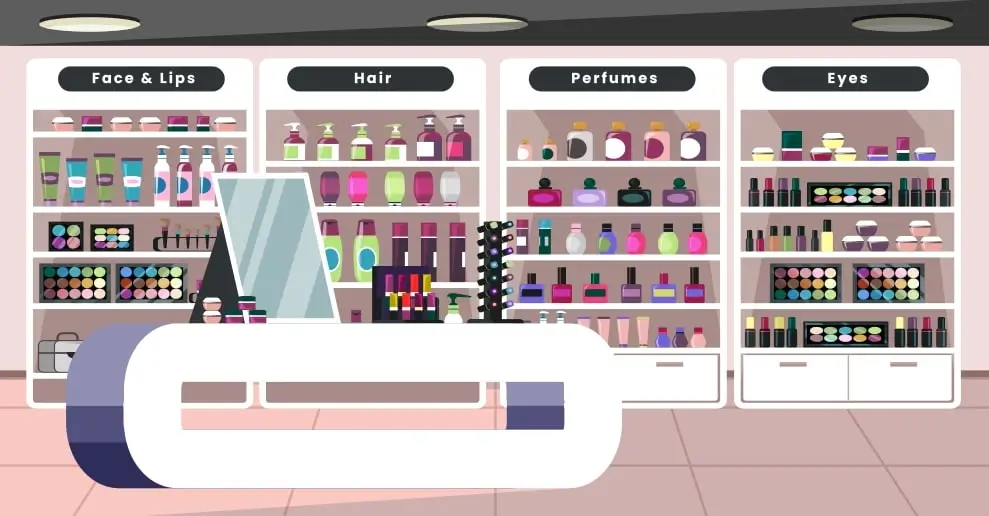
The product mix in health, beauty, and wellness retail changes rapidly – many new SKUs are being launched while some are being phased out, making traditional forecasting unreliable.
Solution
AI-led hierarchical forecasting learns from similar products and categories, ensuring SKU-store level precision even for products with limited historical data.
Not Planning for Demand Distortions Induced by Overlapping in-Store Promotions
Challenge
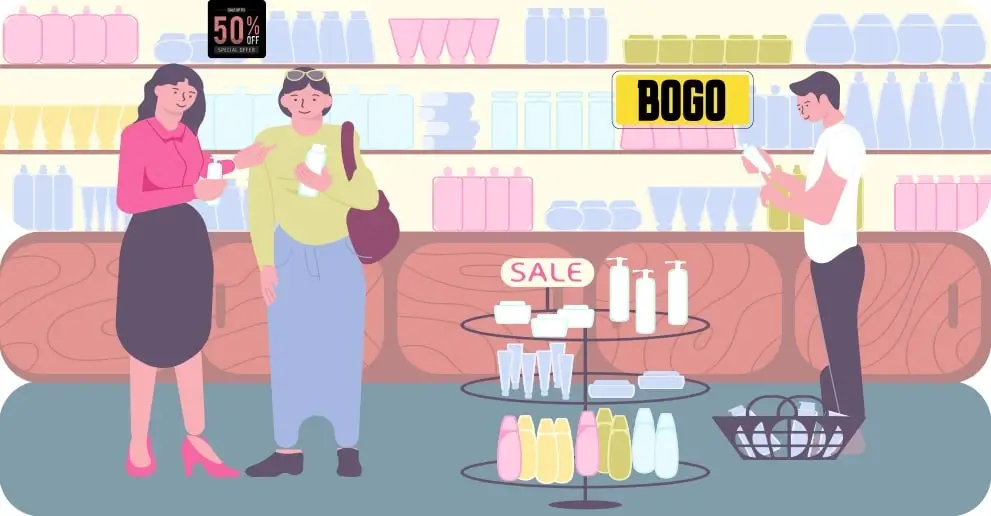
Diverse types of in-store promotions running in parallel affect demand differently. Some grow the category, others just shift sales within it, while traditional forecasting models only demand lifts.
Solution
AI-led auto-replenishment solutions can model demand shifts as well as demand lifts uniquely for each offer type, enabling precise replenishment and preserving promotional gains.

Demand Shifts and Category Impact from Quick Sellers
Challenge
New launches in health, beauty, and wellness can rule the market. Not planning for demand distortions from new launches imbalances the stock, leading to overstock and stockouts, hurting margins.
Solution
AI-led replenishment planning factors in the new launches, and models demand shifts across categories for all store locations. So, retailers can ensure every store is stocked just right.
Overlooking Revenue-Driving Products
Challenge
In health, beauty, and wellness retail, 80% of products (the slow movers or long tail of assortment) contribute to 40% of sales, and overlooking them means missing revenue.
Solution
AI-driven solutions offer uniform forecasting and replenishment planning rigor for all kinds of products, including slow movers, ensuring SKU-location level accuracy at all stores.

Missing the Brand Loyalty and Social Media KPIs
Challenge
Brand loyalty and social media influence are strong in health, beauty, and wellness products, but traditional forecasting tools can’t factor in such variables to optimize order plans.
Solution
AI-driven demand planning and replenishment solutions can factor in unlimited demand influencers, like brand loyalty and social media KPIs, ensuring accuracy even when demand is driven/expected to be driven by social media campaigns.
Take your replenishment planning to the next level with Order Right.