

Optimizing Just In Time
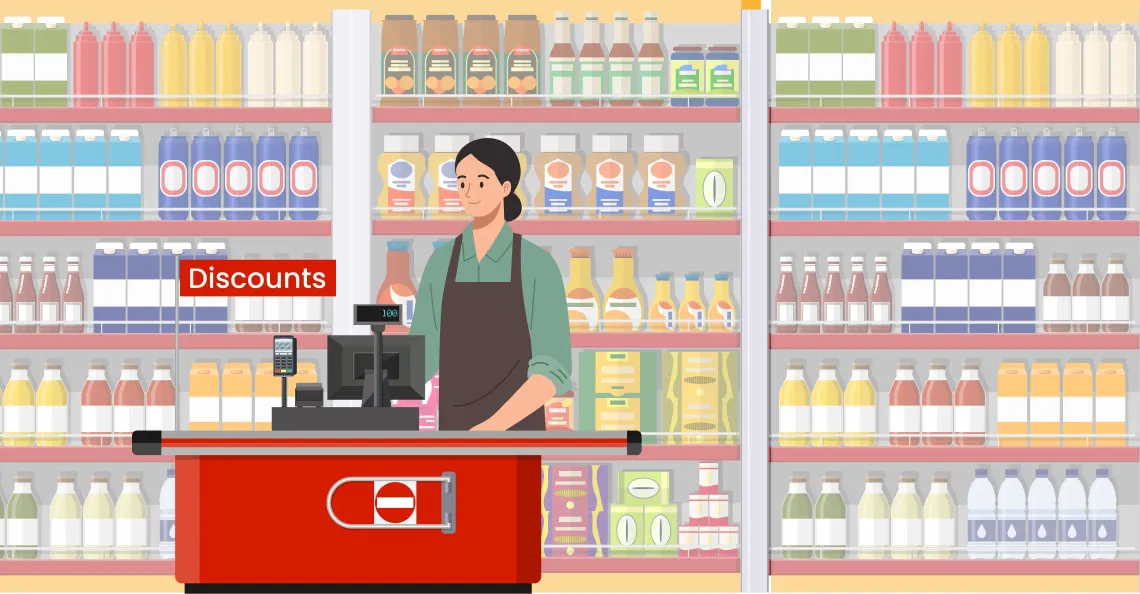
Powering Convenience With Replenishment Automation
With 165 million daily transactions in the US alone, the global convenience retail industry is a trillion-dollar industry. Yet, unpredictable sharp spikes and declines in demand, as well as revenue loss from ready-to-eat inventory, pose significant challenges.
From replenishment roadblocks to revenue boosts – here’s how AI-led replenishment can flip the script to drive growth.
Three Core Trends Shaping the Industry

Rising Demand in the Fresh Food Category
12.6% increase in average sales per store.
Prepared food led both in growth and actual dollar sales.

Packaged Beverages Remain a Hit
Hot beverages 12.2%
Enhanced water 3.7%

The Wellness Push
20% of executives plan to expand in-store areas for health, beauty, and wellness items.
Challenges Driving the Need for a Replenishment Strategy Reset

Space Restrictions Limit Revenue
Tight shelf and storage space limit the type and amount of inventory.
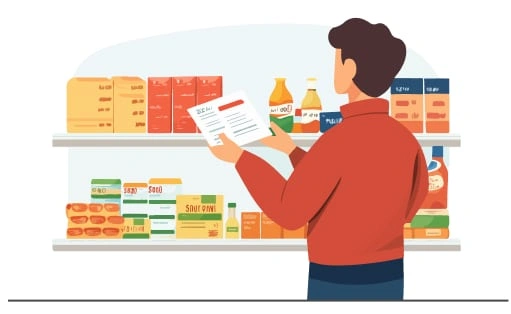
Spoilage in the RTE Category
Volatile and location-specific demand for ready-to-eat items causes overstocking and spoilage.
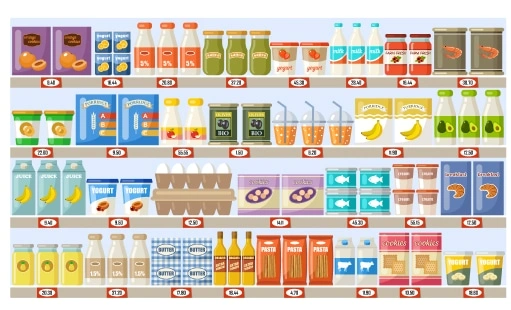
Planogram Adherence
Aligning replenishment with planograms requires manual adjustments.
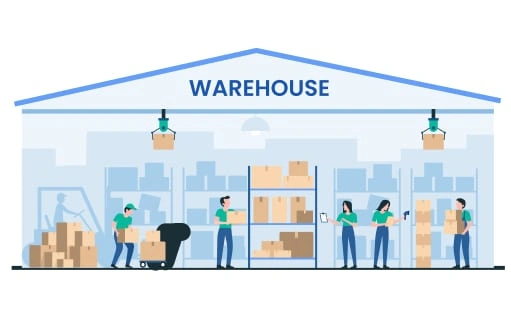
Heavy Reliance on Warehouse-Level Inventory
Inability to optimize inventory for all stock locations, bloats warehouse inventory, and costs.

High-Demand Key Value Items
Poor allocation of such items causes frequent stockouts, eroding revenue, and customer loyalty.
How to win the share of a Wallet
How does AI-led Replenishment Reset the Rules
Space-Aware Auto-Replenishment
Integrating hyperlocal forecasting and replenishment planning enables proactive auto-replenishment with SKU-store location level accuracy.

Built-in Planogram Adherence
Factoring in planogram rules during replenishment planning minimizes human intervention and reduces errors.

Modeling Configurations to Reduce RTE Spoilage
Advanced built-in configurations, such as over-forecasting penalties, effectively curb RTE spoilage due to overstocks.
Holistic Replenishment Planning
Generates stock transfer orders at the store level instead of aggregating at the warehouse, for automatic and holistic inventory optimization.
Automatic Stock Allocation Mode
Built-in modes for auto-allocating limited high-demand items based on configurable allocation methods, such as equitable or store rank-based allocation.
Take your replenishment planning to the next level with Order Right.