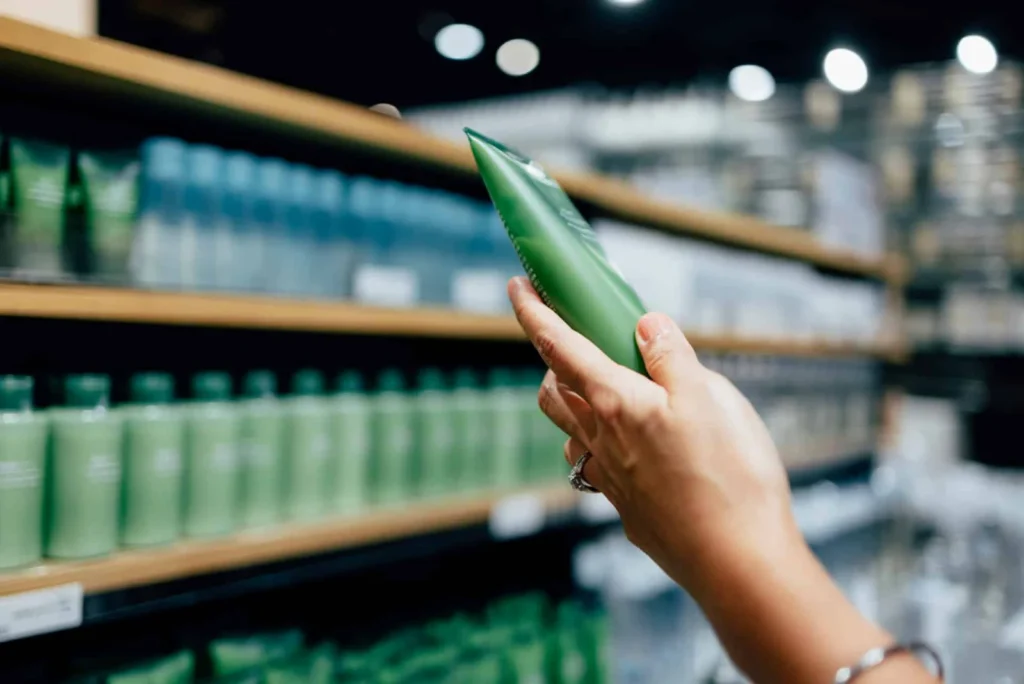
Pan Asian Health & Beauty Retailer Shrinks OOS by 60%

Case Study

Pan Asian Health & Beauty Retailer Shrinks OOS by 60%

Segment

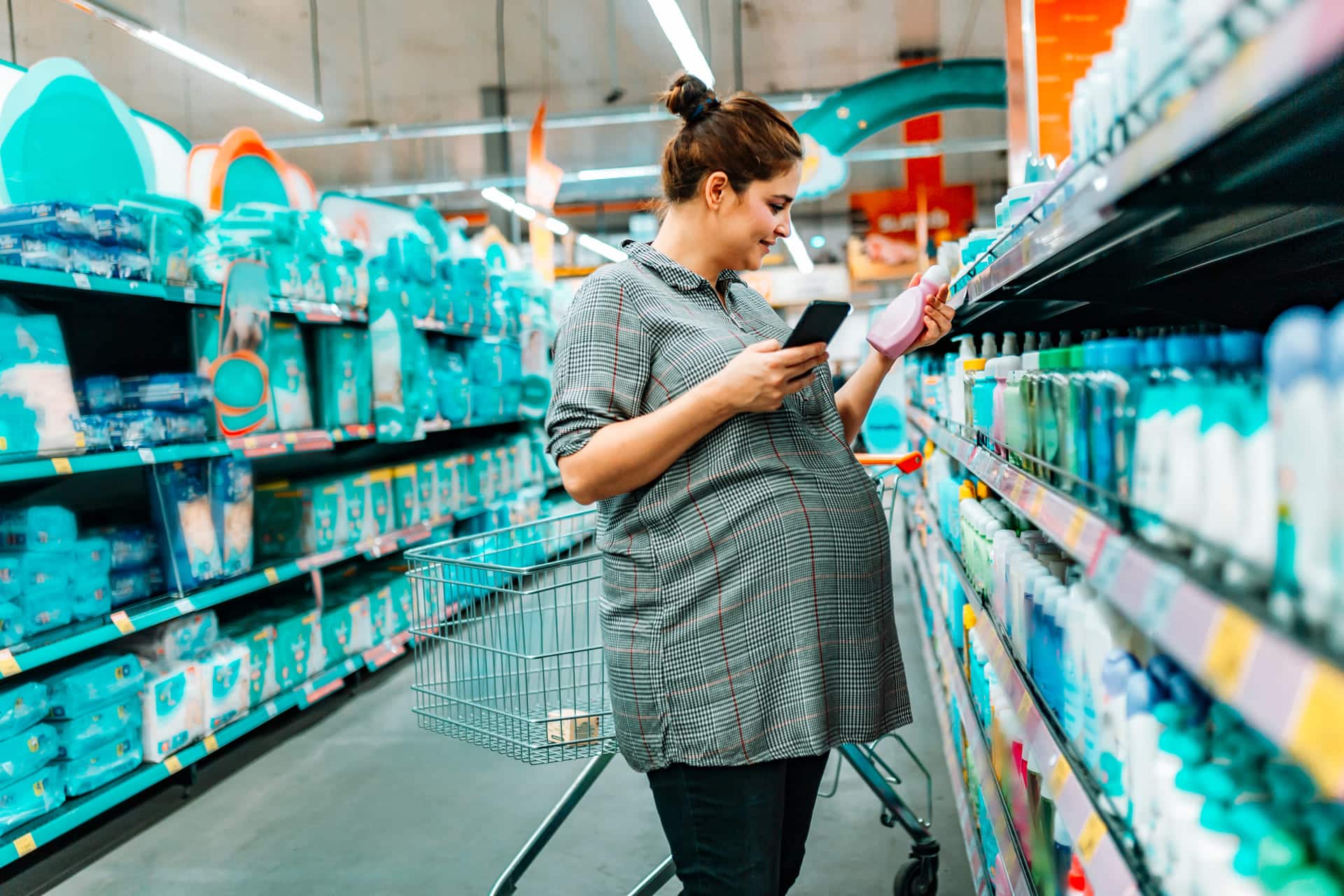
Health, Personal Care, Beauty & Baby Care Products

Challenge

Rising Trend of out-of-Stock and Overstock Issues across Stores

Product Used

The Results

Algonomy’s (now part of ADA) Order Right helped the client transform from static and inefficient to ultra-granular and intelligent replenishment, thereby unlocking business benefits including:

0 %
Reduction in Out-of-Stock Instances
0 %
Reduction in Inventory Investment
0 %
Improvement in Inventory Turnover

Ultra-Granular and Accurate Order Plans across All Product Locations

The Client

The client is a pan-Asian health, beauty, and wellness retailer. It has over 1100 stores spread across 13 countries providing a wide range of healthcare, beauty care, personal care, and baby care products.

The Challenge

The client is a pan-Asian health, beauty, and wellness retailer. It has over 1100 stores spread across 13 countries providing a wide range of healthcare, beauty care, personal care, and baby care products.

  • Product Variety and Seasonality: The existing replenishment process struggled with maintaining stock levels, leading to frequent out-of-stock situations for some products and excessive inventory for others.
  • Promotional Impact: Post-season inventory often piled up following promotional campaigns.
  • Global Supply Chain Complexities: Dependence on multiple suppliers across global supply chains caused significant lead time variances, resulting in out-of-stock issues, particularly during peak seasons.
  • Increasing inventory costs: In its endeavor to achieve high availability, the client witnessed a significant increasing trend in inventory investments.

The client was looking to transform their replenishment framework from static and one-size-fits-all to dynamic and localized. Additionally, they were looking for a solution that could improve planning efficiency, reducing the burden on teams to plan granular replenishment.

Want to achieve similar results for your grocery retail business?

Let’s talk

The Solution

1 Hyperlocal Replenishment with Order Right

Algonomy’s (now part of ADA) Order Right perfectly met the client’s need for an ultra-granular, robust, and adaptive replenishment ordering system. Order Right utilizes a suite of custom machine learning algorithms that adjust to demand and supply chain dynamics at a hyperlocal level, accounting for both increases and shifts in demand. Its robust framework swiftly addresses retail data challenges such as sparse data, outliers, and noise, allowing your teams to focus on business without worrying about data interventions.
2 Unlocking Retail Excellence with Hyperlocal Precision and Dynamic Inventory Management

Algonomy’s (now part of ADA) Order Right helped the client to automate and optimize replenishment schedules for ~500 categories across all store locations in 13+ geographies via a single integrated interface. Here are the key highlights of the solution:

Ultra-Granular Multi-Variate ML-Based Forecasting

With Order Right, the client transitioned from manual, Excel-based forecasting reliant on historical sales to multivariate, ML-based forecasting that accounts for channel, category, and store-specific nuances at the hyperlocal level. This new approach incorporates factors such as product lifecycle, promotions, holidays, and events. As a result, demand planners achieved increased forecasting accuracy across product locations, leading to substantial downstream benefits.

Auto-Optimization for Promotional Effects

Previously, the client relied heavily on manual interventions to adjust for demand fluctuations caused by promotions. This often led to sub-optimal outcomes, resulting in excess stock of some products and out-of-stock situations for others within the same category. With Order Right, the client transitioned to automatic adjustments of product orders to counter promotional effects, significantly reducing inventory imbalances.

Modeling Supply Chain Constraints

The client heavily relied on global suppliers for its products, so any disruptions in the supply chain often came as a surprise, causing teams to scramble to manage the situation and devise tactics to protect the business. With Order, the client transitioned from a static, contract-based supply chain approach to dynamic modeling. Now, the client can optimize replenishment plans using self-learning models that account for key constraints such as lead times, pending orders, expiry dates, minimum order quantities, ordering frequency, and minimum display quantities. This ensures that replenishment plans dynamically adjust to supply chain constraints, resulting in greater accuracy and less crisis management.

Effortlessly Leveraging Retail Data

Order Right’s robust demand forecasting framework helped demand planners circumvent data challenges such as sparse data, noisy data, outliers, and new product introductions effortlessly with custom retail-tuned algorithms. This significantly reduced the efforts required by the team to get quality data.

Table Of Contents
The Results
The Client
The Challenge
The Solution

Explore More Resources on Commerce Personalization

Wine.com Drives AttributeBased Recommendations for Personalization
Food & Beverage US

Wine.com Drives AttributeBased Recommendations for Personalization

See full story
0 %
Reduction in out-of-stock across stores
0 %
increase in revenue

Retail’s Only True Supplier Collaboration Platform Trusted by 400+ Retailers & Brands Across the World

Get in Touch with Our Experts

Leading Grocery Retailer Slashes Stockouts by 63%

Case Study

Leading Grocery Retailer Slashes Stockouts by 63%

Segment

Grocery Retail

Challenge

Chronic out-of-stock Instances and High Inventory Investments

Product Used

The Results

Algonomy’s (now part of ADA) Order Right helped the client transform from static and inefficient to ultra-granular and intelligent replenishment. As a result, the client witnessed a host of benefits including:

0 %
Reduction in Out-of-Stock Instances
0 %
Reduction in Inventory Costs
$ 0 M
Savings on Inventory Investments
$ 0 K
Annual Reduction in Loss of Sales

Automated Replenishment Built on AI/ML-Driven Forecasting

The Client

One of the leading retail brands in South East Asia with over 100 stores across the region in diverse categories, was grappling with persistent overstocks and out-of-stock events leading to cost bleeds, wastage, and bloated inventory costs, which spurred secondary challenges like lost sales and customer churn.

The Challenge

The client relied on manual interventions to perform demand and replenishment planning. With changing times especially post-2019, the client felt that their current system was inadequate to respond to shifts in demand patterns and supply chain challenges. The client faced a huge dip in replenishment accuracy and stock issues were rampant across multiple product locations, among other challenges, such as:

  • Frequent out-of-stock due to demand volatility and inability to respond to supply chain disruptions
  • Promotions would often lead to stockouts and overstock situations leading to customer distress and margin erosion respectively
  • Leveraging Retail data was proving to be a challenge as it needed support from data scientists to treat for sparse data, outliers, and noise. New product launches were often fraught with huge planning inaccuracies.

The client was looking for a comprehensive, intuitive, scalable, and robust AI/ML-based solution to generate precise order plans, and avoid stockouts and overstocks while optimizing inventory and improving shelf availability in an accurate and timely manner.

Want to achieve similar results for your grocery retail business?

Let’s talk

The Solution

1 Hyperlocal Precision with Order Right

Algonomy’s (now part of ADA) Order Right perfectly met the client’s need for an ultra-granular, robust, and adaptive replenishment ordering system.

Order Right utilizes a suite of custom machine learning algorithms that adjust to demand and supply chain dynamics at a hyperlocal level, accounting for both increases and shifts in demand.

Its robust framework swiftly addresses retail data challenges such as sparse data, outliers, and noise, allowing your teams to focus on business without worrying about data interventions.

2 Fine-Tuning Replenishment to Hyperlocal Demand and Supply Chain Dynamics

Algonomy’s (now part of ADA) Order Right helped the client to automate and optimize replenishment schedules for 200+ categories across all store locations in the region via a single platform. Here are the key highlights of the solution:

  • Hyperlocal ML-based Demand Forecasting
    With Order Right, the client transitioned from sales heuristics-based demand forecasting to ML-based multi-variate demand forecasting at a highly detailed level. The models were trained using various factors such as product hierarchy, holidays, events, promotions, discounts, and demand deviations. Order Right automatically selects the optimal model for each product-location combination based on best-fit criteria, significantly improving the demand forecast accuracy for 90% of SKUs.
  • Curbing Cannibalization and Promotional Chaos
    The previous replenishment framework depended on manual interventions to account for promotional effects like cannibalization. With Order Right, the client shifted to automated adjustments of replenishment levels, both up and down, between products, taking into account promotions and availability.
  • Mitigating Supply Chain Disruptions
    Before Order Right, the client depended on suppliers to deliver according to agreed-upon contracts, and any deviations from the SLAs caused stockouts and supply chain disruptions. With Order Right, the client transitioned to dynamic modeling of key factors like lead time, MOQ, minimum size pack, safety stock, display minimums, and pending orders to optimize order plans.
  • Optimizing Multi-Echelon Inventory
    The previous approach of using multiple sheets and systems for order management at different supply chain nodes was ineffective and cumbersome. With Order Right, the client moved to centralized multi-echelon inventory management across stores, warehouses, and stocking points.
  • Effortlessly Leveraging Retail Data
    Order Right’s robust demand forecasting framework helped demand planners circumvent data challenges such as sparse data, noisy data, outliers, and new product introductions effortlessly with custom retail-tuned algorithms. This significantly reduced the efforts required by the team to get quality data.
Table Of Contents
The Results
The Client
The Challenge
The Solution
Download Case Study

“Our earlier vendor management processes were majorly manual, siloed, and prone to errors, leading to productivity losses and increasing supply chain costs. Vendor Link has made it easy and effective for our teams to collaborate with suppliers to manage orders, track payments, and share metrics with them. As a result, our promotions and programs are more efficient, our stock availability has improved, and we have managed to be efficient with our costs while continuing to grow and expand our business.”

Rina Janine Go
Chief Merchandising
Marketing and Distribution Officer Prince Retail

Explore More Resources on Commerce Personalization

Wine.com Drives AttributeBased Recommendations for Personalization
Food & Beverage US

Wine.com Drives AttributeBased Recommendations for Personalization

See full story
0 %
Reduction in out-of-stock across stores
0 %
increase in revenue

Retail’s Only True Supplier Collaboration Platform Trusted by 400+ Retailers & Brands Across the World

Get in Touch with Our Experts

Middle Eastern Grocery Retailer Projects $60M Inventory Savings

Case Study

Middle Eastern Grocery Retailer Projects $60M Inventory Savings

Segment

Grocery

Challenge

Achieve inventory reduction by 20% while maintaining availability above 90%

Product Used

The Results

$ 0
Reduction in inventory cost across 3 departments for the flagship store
$ 0 M
Projected savings in inventory costs across 300+ stores
0 %
Reduction in and out stock instances with 90% shelf availability

The Client

Client is a major retailer based out of the Middle East. They are the pioneers in food wholesaling, grocery stores and malls. The company operates 300+ stores across multiple formats such as supermarkets and hypermarkets, convenience stores and wholesale outlets.

The client was looking for an enhanced demand forecasting and replenishment framework that could help them gauge accurate daily and monthly inventory requirements across stores. They set themselves a target of reducing inventory cost by 20% while not jeopardizing availability.

The client, already an existing user of traditional demand planning tools, strongly felt the need of a new replenishment framework that captures dynamic demand forces induced due to shifting consumer behavior and channel complexities while also cognizant of the as-is state and parameters of the supply chain. The client hoped that such a framework would help them cut down inventory cost without compromising on availability.

Want to achieve similar results for your grocery retail business?

Let’s talk

The Solution

1 Hyperlocal Replenishment with Order Right

Algonomy’s (now part of ADA) demand forecasting and replenishment solution, part of its larger merchandise AI suite of solutions for retail, was the perfect match for the client’s requirement. It uses unique and retail-native handcrafted algorithms to achieve a near-perfect match between demand and supply. Its plug and play ability allows retailers to quickly realize return on investment without having to spend organizational resources in setting up or compromising on key business metrics.

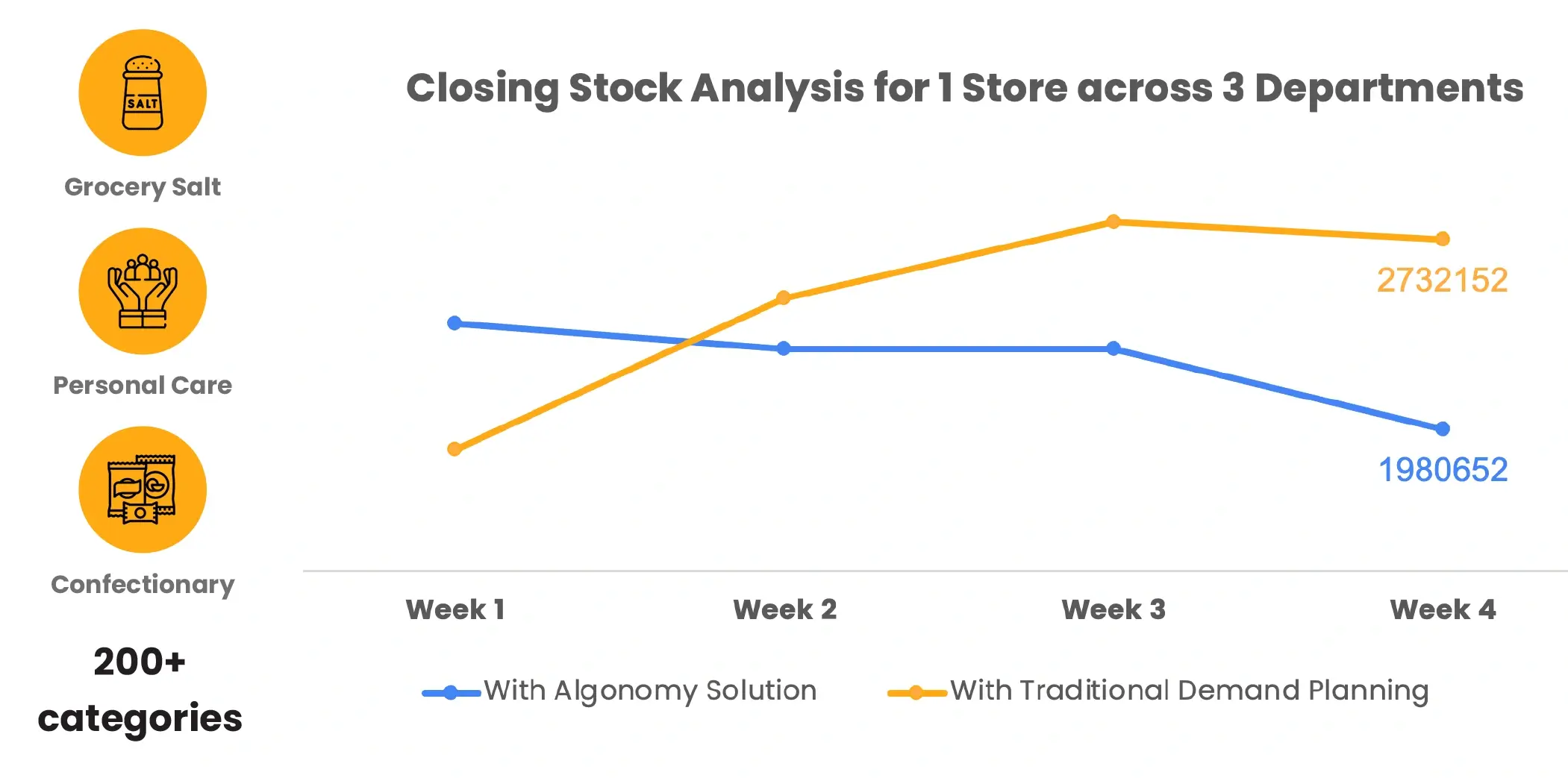
As a part of its larger engagement the client wanted to focus on optimizing inventory cost across 3 departments for its marquee store located in the heart of the city. These 3 departments were – grocery salt, confectionery, and personal care. The combined count of categories under these departments was 200+. The choice of the departments was based on the fact that these departments had witnessed the most increase in inventory cost over the past year.

Algonomy’s (now part of ADA) demand forecasting and replenishment solution (Order Right) was configured and ready to use within two weeks of data integration.

With the help of Order Right, the client was able to automate and optimize replenishment schedules for 200+ categories across the 3 departments on a single platform without having to use multiple tools, systems and back of the hand calculations. As a result, the client was able to reduce inventory levels by 21% and also witnessed a 9% reduction in out of stock instances.

Order Right’s retail-native demand forecasting technique uses an ensemble of algorithms (2000+ unique algorithms including machine learning and deep learning algorithms) to predict demand for products.

These algorithms account for not just internal factors such as historical sales, promotions and inventory levels but also exogenous factors such as weather, festivals and events that affect demand. The outcome therefore is a more dynamically linked demand forecasting than traditional demand planning tools.

This predicted demand for products in conjunction with supply chain parameters such as lead time, minimum order quantity, fulfillment rate, etc. and category factors such as expiration date and shelf life are then fed into a a unique replenishment optimization engine to generate optimized replenishment schedules.

Table Of Contents
The Results
The Client
The Solution

Explore More Resources on Commerce Personalization

Wine.com Drives AttributeBased Recommendations for Personalization
Food & Beverage US

Wine.com Drives AttributeBased Recommendations for Personalization

See full story
0 %
Reduction in out-of-stock across stores
0 %
increase in revenue

400+ retailers & brands across the world trust ADA to consistently deliver on their commerce KPIs

Looking to up your replenishment game? Let’s talk.

Aditya Birla Fashion and Retail Drives a 13% Lift in AOV Across 6 Brands by Personalizing Key Commerce Touchpoints

Case Study

Aditya Birla Fashion and Retail Drives a 13% Lift in AOV Across 6 Brands by Personalizing Key Commerce Touchpoints

Segment

Fashion & Lifestyle

Challenge

To personalize the key commerce touchpoints of product recommendations, search, category pages, and content.

The Results

0 %
lift in recommendations driven AOV on Pantaloons and The Collective
0 %
of attributable sales on Pantaloons
0 %
attributable sales on The Collective
0 %
lift in Revenue Per 1,000 views for AI-driven recommendations vs merchandised recommendations on Pantaloon

The Client

  • ABFRL’s vision is to satisfy Indian consumer needs in lifestyle and fashion with product offerings from premium brands.
  • The retailer has embarked on a digital transformation journey with a high focus on delivering personalized omnichannel customer experiences.
  • After a rigorous selection process, ABFRL chose Algonomy (now part of ADA) as their technology partner as the latter checked all the boxes for product depth and breadth, innovation, and customer success references.

The Solution

Personalizing All Path-to-Purchase Commerce Touchpoints

  • ABFRL has deployed Algonomy’s (now part of ADA) AI-powered personalization suite, which comprises:
  • These solutions are live across the ABFRL brands – Pantaloons, The Collective, and Super App.
  • Algonomy’s (now part of ADA) solutions combine real-time browsing behavior with enterprise-wide customer data to create real-time, unified customer profiles that guide contextual, individualized experiences across all customer channels—including website, app, email, and in-store.
  • The solutions offer the retail industry’s only no-code Data Science Workbench and Configurable Strategies, which help ABFRL’s marketing and merchandising teams build, test, and iterate personalization strategies on the fly.

Personalization Use Cases on the Pantaloons Online Store

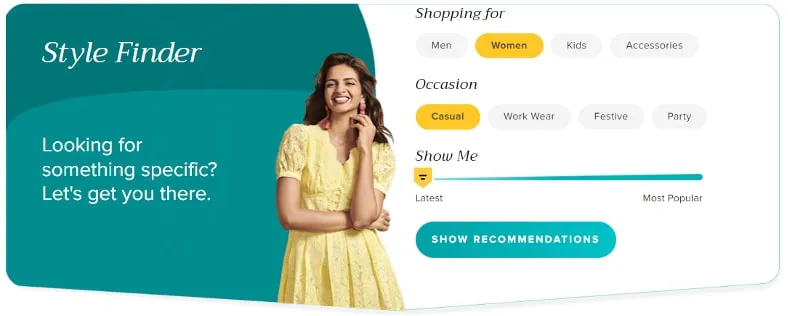
Pantaloons is one of India’s largest fashion store brands. The brand has launched ‘Style Finder’ that allows shoppers to specify their preferred categories and the occasion, and view personalized product recommendations.

This feature has significantly improved product discovery in a time when consumers expect brands to make every experience feel personal.

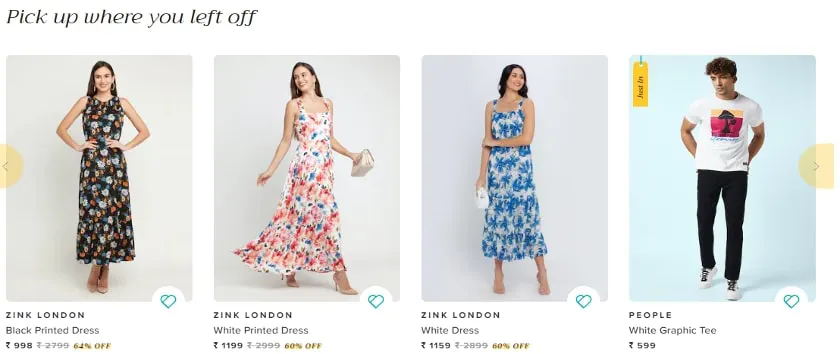
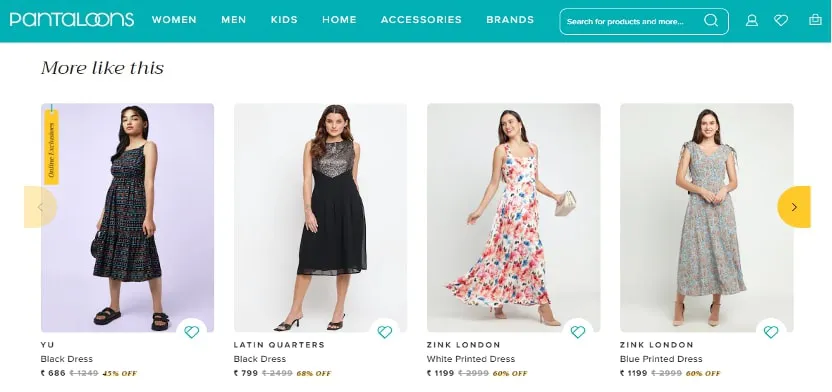
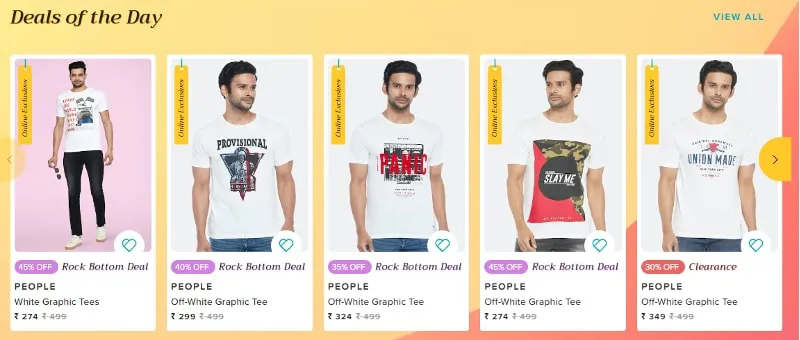
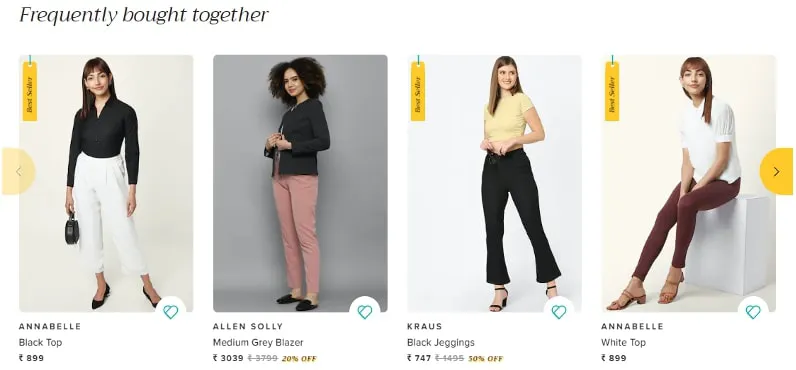
Other examples of personalized experiences on Pantaloons:

The ‘Pick up where you left off’ placement on the home page helps a returning shopper resume their journey instead of having to start over.

Recommendation placement for similar products on Product Detail Pages.

Placement for ‘Deals of the Day’ with offers on products a shopper will likely be interested in.

Complementary product recommendations on the PDP.


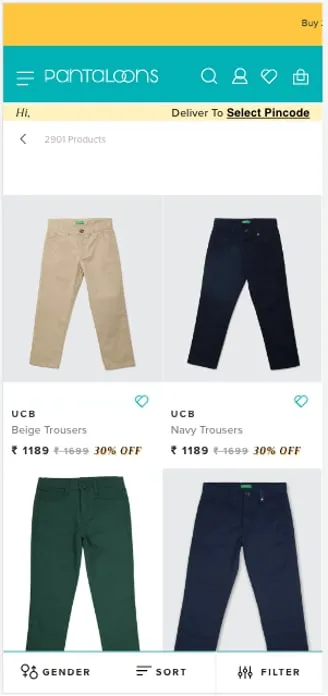
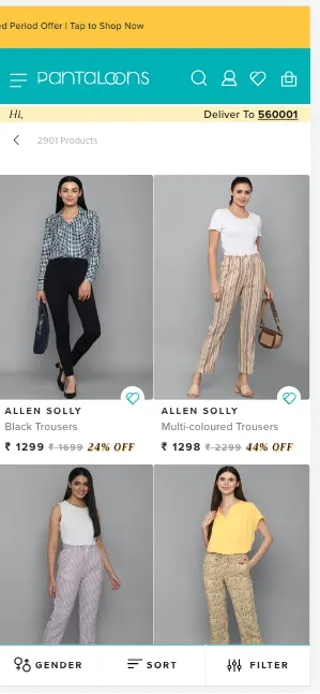
Personalized product sorting in search results.

Search results for “trousers” without personalization

Search results for “trousers” with personalization

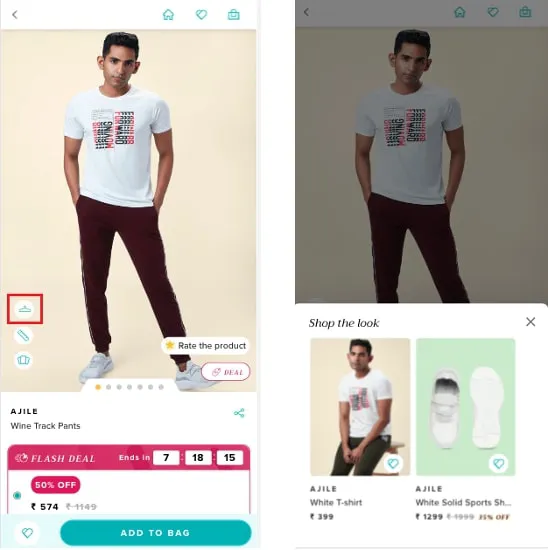
The ‘Shop the Look’ feature allows a shopper to view complementary products and complete the look.

Helping Shoppers Experience 4 Popular Brands in 1 Intuitive ‘Super App’

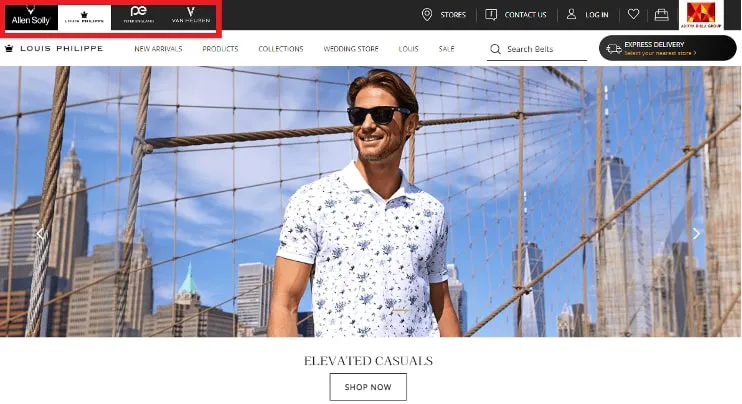
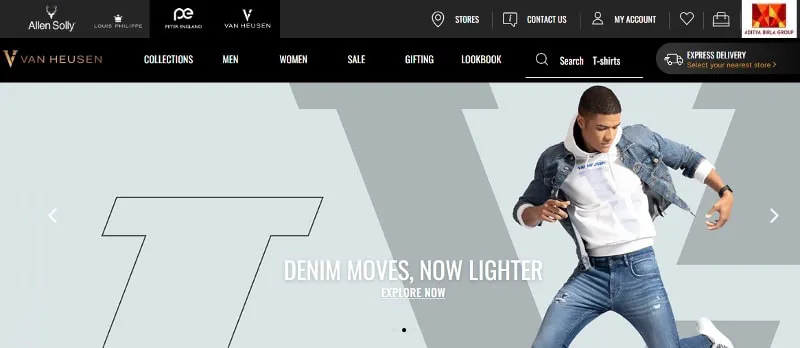
Super App allows shoppers to seamlessly switch between four popular and sought-after brands — Louis Philippe, Van Heusen, Allen Solly, and Peter England—on the same website or app.

Shoppers can view personalized products and add items across the four brands to a common cart and complete their purchase.

Some examples of personalization on Super App:

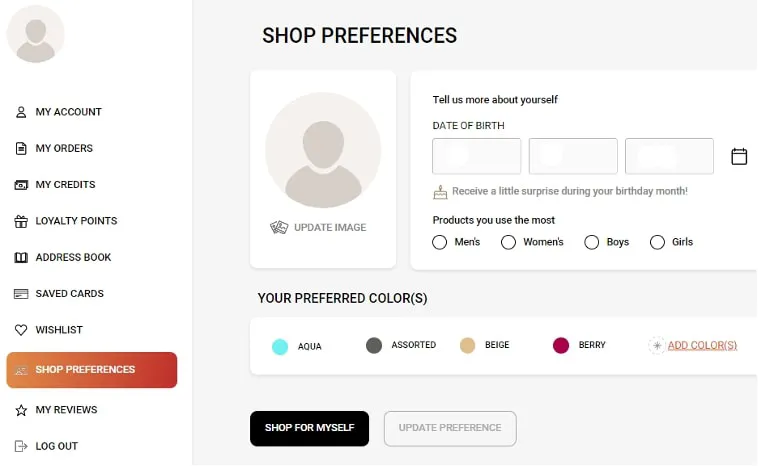
While setting up their account, shoppers can set their preferences for color, categories, size, etc. The personalization engine uses this information, along with the shopper’s browsing patterns and purchase history, to make the most relevant recommendations.

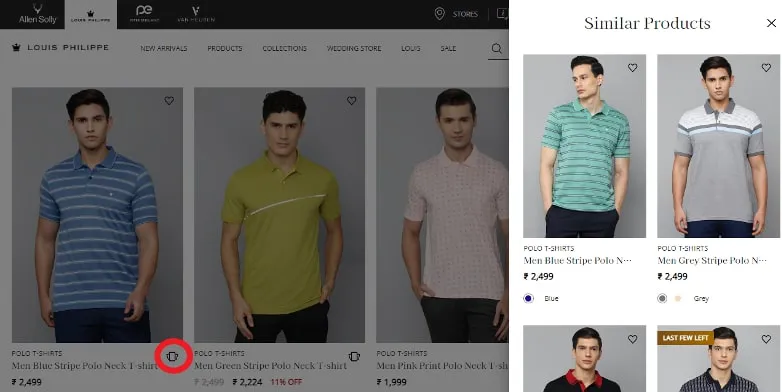
Typically, on most commerce websites/ apps, shoppers have to visit a PDP to find recommendations for similar products. On Super App, however, while viewing various products on a category page, shoppers can just click on the ‘View Similar’ option near a product card, which opens a pop-up containing recommendations for similar products.

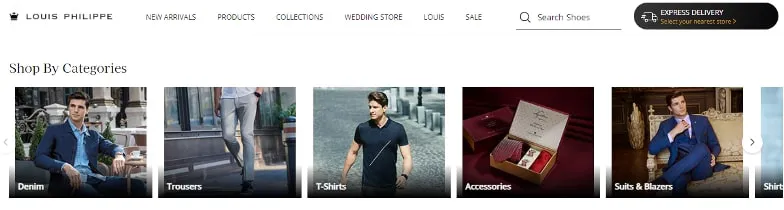
Category recommendations on the home page are displayed as per the individual shopper’s tastes. The order of categories changes dynamically with respect to changes in the shopper’s behavioral and purchase patterns.

Personalized content on the home page.

Unifying the Online & Offline Shopping Experience with The Collective & Super App

  • Most retailers tend to think of a customer channel in isolation. ABFRL, however, has seamlessly unified online and offline, delighting customers with unique and memorable experiences.
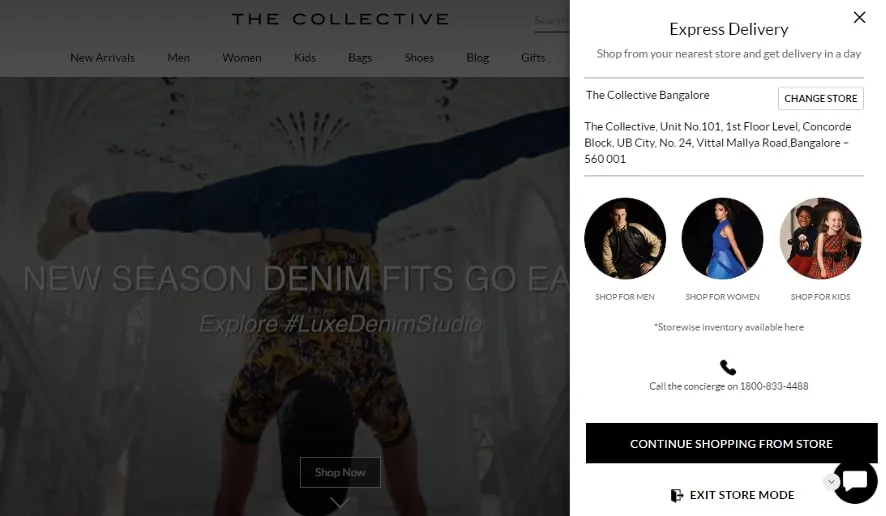
  • For instance, The Collective (India’s first, and now the largest, multi-brand luxury retail store) and Super App have a feature called ‘Store Mode’ on their websites. The feature allows online shoppers to view personalized products from a certain physical store, and have products delivered to their homes.

The Future

In the next phase, ABFRL plans to deploy Algonomy’s (now part of ADA) personalization solutions on four more properties – Van Heusen Intimates (a provider of innerwear and athleisure for men and women), Forever 21 (a global fast fashion brand), Jaypore, and Reebok.

Table Of Contents
The Results
The Client
The Solution
Personalization Use Cases on the Pantaloons Online Store
Helping Shoppers Experience 4 Popular Brands in 1 Intuitive ‘Super App’
Unifying the Online & Offline Shopping Experience with The Collective & Super App
The Future

“Algonomy’s AI-infused personalization tech has helped us individualize all path-to-purchase digital commerce touchpoints—search, recommendations, browse, and content—to deliver a more holistic and connected customer experience.”

Varun Rajwade
AVP
Product, Design & Digital CX at ABFRL

“Shoppers today expect their digital shopping experience to be quick, seamless, and personalized as per their individual tastes and intent. Algonomy’s end-to-end personalization solution was the perfect fit, given our massive scale and speed requirements.”

Praveen Shrikhande
Chief Digital & Information Officer
ABRFL

Explore More Resources on Personalized Marketing

Wine.com Drives AttributeBased Recommendations for Personalization
Food & Beverage US

Wine.com Drives AttributeBased Recommendations for Personalization

See full story
0 %
Reduction in out-of-stock across stores
0 %
increase in revenue

400+ Retailers & Brands Across the World Trust ADA
Looking to hyper-personalize all commerce touchpoints? Let’s talk.

Prince Retail Transforms Supplier Collaboration with Vendor Link

Case Study

Prince Retail Transforms Supplier Collaboration with Vendor Link

Segment

Hypermarket

Challenge

To reduce vendor management complexities and costs

Product Used

The Results

  • Reduced cost of order to pay cycle management
  • Faster, error-free PO and payment processing
  • Enhanced stock availability
  • Improved promotions effectiveness
  • Improved collaboration planning

The Client

Based in Cebu City, Prince Retail is a chain of retail and wholesale stores that was founded in 1990 by Robert Lim Go. Operating under the Prince Hypermart banner, Prince Retail is a one-stop shop, providing customers with a wide variety of grocery, general merchandise, and department store items.

The retailer has over 67 stores spread across Luzon, Visayas, and Mindanao. Its network of over 500+ suppliers helps it serve its mission of ‘serving the underserved’, focusing on Filipino shoppers in far flung and rural and island provinces and providing quality products at affordable prices with a convenient and comfortable shopping experience.

The Challenge

As one of the fastest-growing retailers in the Philippines, Prince Retail faced multiple challenges that could impede its growth plans.

One of the major challenges it faced was the increasing complexity and cost of vendor management due to a lack of collaboration and transparency between its merchandising team and suppliers.

Vendor processes—order management, scheduling, payments, promotions, demand planning, and reporting—were operating in silos and prone to manual errors.

The retailer’s vendors showed low confidence in the data that was currently being shared – often leading to longer lead times, low fulfillment rate and stock availability at the stores. As a result, vendors were less proactive in their approach to promotions and other programs.

The Solution

1 Intelligent & Agile Supplier Collaboration with Vendor Link

With the above challenges at the fore, Prince Retail was looking for a solution that could:

  1. Streamline and optimize fragmented and siloed vendor processes such as order to pay cycle, stock allocation, promotions planning, and reporting.
  2. Create a hyper-connected vendor ecosystem that shares shopper insights and reports with vendors to help them with planning and promotions.
  3. Accelerate digital transformation and build data-driven decisioning both internally and externally to achieve operational excellence.

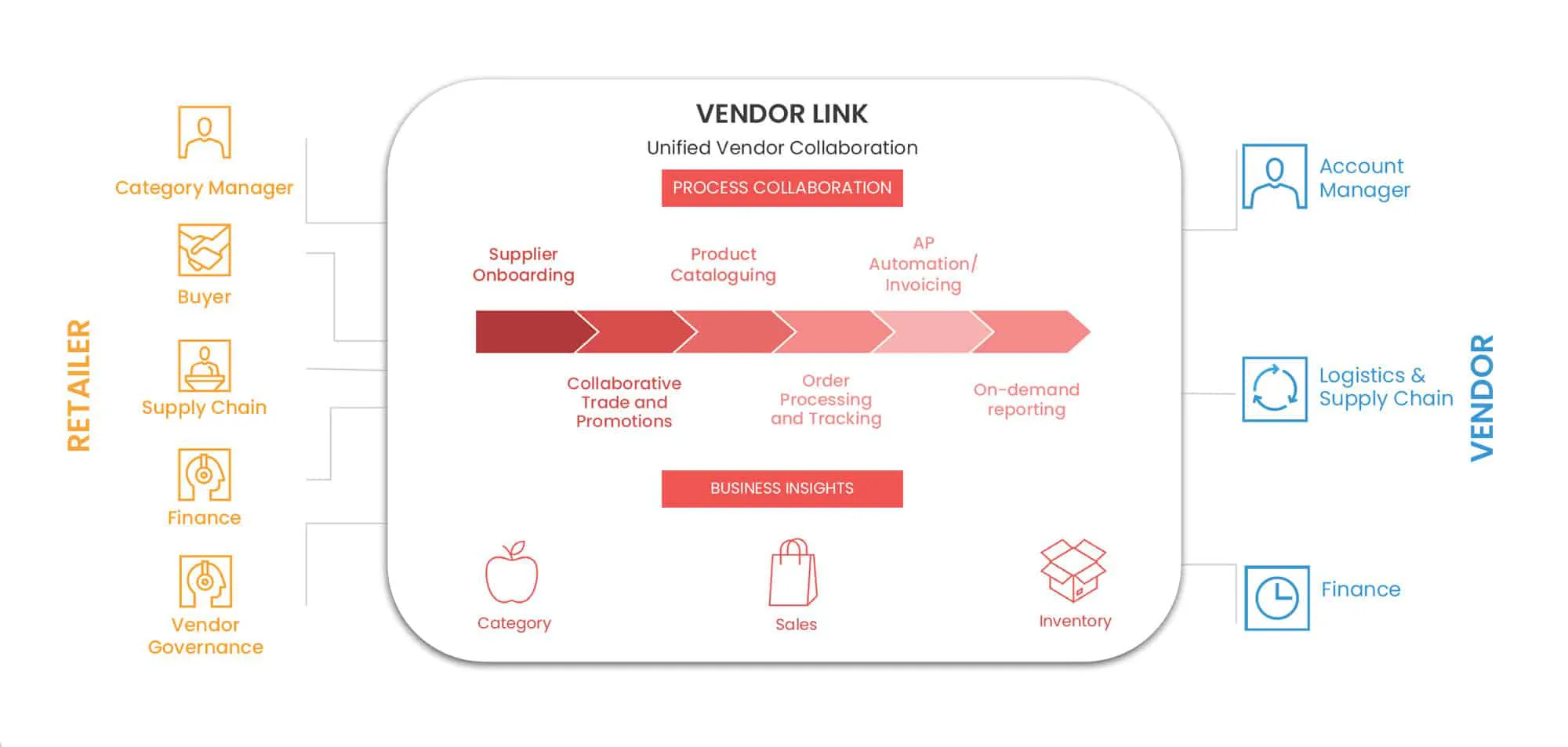
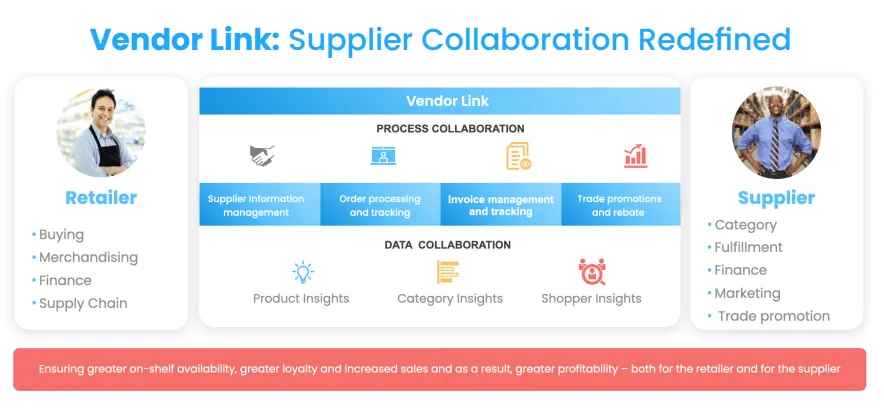
Algonomy’s (now part of ADA) Vendor Link fit in perfectly with the client’s requirement of a 360-degree supplier collaboration platform. Vendor Link is a comprehensive web-based vendor and retailer collaboration platform that removes operational silos between vendors and retailers by automating and streamlining end-to-end operations, and sharing data and insights across category, sales, and inventory.

Vendor Link helped Prince Retail’s buyers better manage purchase orders across stores. Siloed communication and follow up emails and calls were replaced with a centralized web-based order tracking system accessible by vendors.

As a result, manual errors were eliminated, and buyers and vendors were able to spend more time on value-adding activities.

Vendor Link also improved payment visibility wherein vendors can now track their payment status in real time and improve their delivery schedule to Prince Retail, hence boosting shelf availability.

2 The ROI of Automated Supplier Management

The client benefited from Vendor Link in the following ways:

  • With the help of Vendor Link’s tracking and collaborative features, PO and payment processing became significantly faster, transparent, and error-free. As a result, the customer was able to reduce costs and improve effectiveness in order to pay cycle management.
  • Vendor Link enabled interactive on-demand access to data insights and reports for suppliers. Buyers and Finance teams can now easily share data, insights, and reports with vendors and vice-versa. This improved system transparency, helping teams run effective programs with reduced costs.
  • The client witnessed reduction in vendor disputes and an overall improvement in vendor buyer collaborative planning. As a result, client stores witnessed improved stock availability and promotion effectiveness.

Vendor Link helped Prince Retail streamline its order management process, bring transparency in its payment processing, and build a data-driven culture across its vendor ecosystem. As a result, Prince Retail saw improvement in product availability and promotions, reduction in costs, and improvement in vendor satisfaction.

Vendor Link’s collaborative features and data sharing capabilities have helped Prince Retail and its suppliers in several ways. It enabled suppliers and category managers to plan faster and more accurately for promotions, inventory, and other programs.

The platform has helped Prince Retail become more adaptive. For example, it has helped them reduce inventory and other costs associated with products and promotions that don’t do as well as expected.

Vendor Link has also bolstered data-driven decision making on the supplier side. For example, the platform provided shopper insights based on POS data to suppliers.

With this, suppliers get a view of real demand in stores based on consumer sentiment, not just based on purchase orders issued by Prince. This helps them with their own forecasting to improve their relevant assortment and stocks availability, which helps Prince Retail get better stocks allocation, relevant promoted packs and assortment.

Table Of Contents
The Results
The Client
The Challenge
The Solution

“Our earlier vendor management processes were majorly manual, siloed, and prone to errors, leading to productivity losses and increasing supply chain costs. Vendor Link has made it easy and effective for our teams to collaborate with suppliers to manage orders, track payments, and share metrics with them. As a result, our promotions and programs are more efficient, our stock availability has improved, and we have managed to be efficient with our costs while continuing to grow and expand our business.”

Rina Janine Go
Chief Merchandising
Marketing and Distribution Officer Prince Retail

“By equipping our suppliers with actionable insights and process transparency, we’ve helped them become more efficient to serve us, which in turn has made us more efficient. It’s a Win-Win!”

Jainie Natinga
Merchandising Regional General Manager Prince Retail

Explore More Resources on Commerce Personalization

Wine.com Drives AttributeBased Recommendations for Personalization
Food & Beverage US

Wine.com Drives AttributeBased Recommendations for Personalization

See full story
0 %
Reduction in out-of-stock across stores
0 %
increase in revenue

400+ Retailers & Brands Across the World Trust ADA

Looking for a Personalized Demo? Let’s talk.

Leading Asian Retailer Improves Supplier Collaboration

Case Study

Leading Asian Retailer Improves Supplier Collaboration

Segment

Grocery

Challenge

Transform supplier collaboration to enable business expansion

Product Used

Outcomes

Vendor and product onboarding lead time reduced by 97%
Reduced invoice disputes and faster payments to suppliers
Complete visibility to suppliers on order to pay cycle
Data monetization through Vendor Insights
Direct system integration for EDI with larger manufacturers

The Overview

The client is one of the largest chains of modern retail stores in Southeast Asia. With over 700 suppliers and 130+ outlets, the client faced multiple challenges in supplier processes.

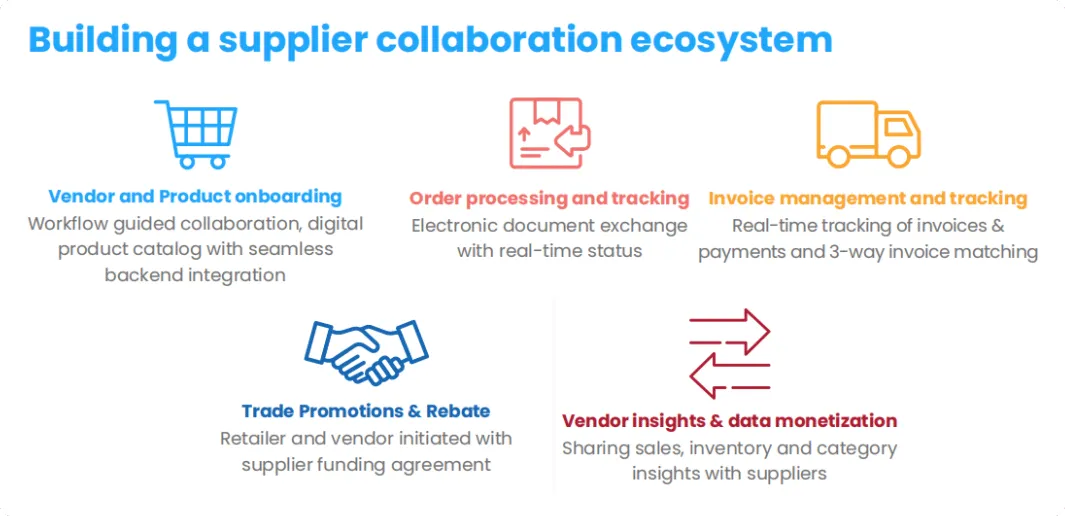
  • Vendor and product onboarding processes were discontinuous and tedious leading to over 10 days of lead time.
  • Product attribute and price modification required 7 days due to manual processes leading to decreased supply chain agility.
  • Suppliers operated in silos with limited visibility on order to pay cycle.
  • Invoice and delivery dispute redressal were not streamlined leading to supplier dissatisfaction.
  • Unavailability of sales, inventory and category insights to suppliers.

With over 200 stores and a 1000+ suppliers planned in the near future, the client saw supplier collaboration as a major value lever in its business expansion. The client strongly felt that a shift in its supplier collaboration approach towards a scalable supplier ecosystem was a major part of this journey.

1 Simplifying Supplier Management With Vendor Link

Algonomy’s (now part of ADA) Vendor Link fit in perfectly with the clients requirement of a 360 degree supplier collaboration platform. Vendor Link is a comprehensive web-based vendor and retailer collaboration platform that removes operational silos between vendors and retailers by automating and streamlining end-to-end operations.

Vendor Link enables suppliers to manage their own information during onboarding, reducing paperwork and tedious processes. With guided workflows and status visibility across personas, vendor onboarding and product onboarding processes are streamlined.

Order to Pay collaboration enables electronic document exchange with suppliers at every stage of the fulfillment cycle leading to greater transparency and efficiency. The invoice matching capability reduces processing time, costs, and disputes. With an added capability to create on-demand analytical views for retailers and suppliers, Vendor Link helps in better decision making. In addition, it aggregates data insights for retailers and suppliers which can be used for strategic and tactical purposes.

2 The ROI of Automated Supplier Management

The client benefited from Vendor Link in the following ways:

  • With the help of Vendor Link’s guided workflows for vendors and category managers and seamless backend integration, the client was able to reduce the time required for vendor and product onboarding from 10 days to 3 hours.
  • Suppliers gained complete visibility on order to pay cycle with the help of smart notification and tracking system.
  • With a real-time triangulation between purchase order(PO), goods received note(GRN) and invoice, the client was able to reduce disputes on supplier invoices.
  • With backend integrations with suppliers systems, Vendor Link enabled on-demand reports on outstanding payments, stock and other financials for suppliers.
  • Client was able to monetize data insights on category, sales and inventory and share it with key suppliers.

Vendor Link helped the client transform supplier collaboration from a set of cost-based ad-hoc processes to a digitized and scalable supplier ecosystem with streamlined operations and system-wide transparency.

Table Of Contents
Outcomes
The Overview

Explore More Resources on Commerce Personalization

Wine.com Drives AttributeBased Recommendations for Personalization
Food & Beverage US

Wine.com Drives AttributeBased Recommendations for Personalization

See full story
0 %
Reduction in out-of-stock across stores
0 %
increase in revenue

400+ Retailers & Brands Across the World Trust ADA
Need Help With Your Assortment Planning? let’s talk

Leading European Pharma Retailer Cracks Supplier Challenges

Case Study

Leading European Pharma Retailer Cracks Supplier Challenges

Segment

Pharmaceutical Retail

Challenge

Expedite new product launches to meet category goals

Product Used

Business Value Delivered

100% increase in new product launches

Lead time for supplier onboarding was reduced from 1-2 months to less than an hour

Product onboarding time was reduced from 2 months to 1 week

70% reduction in time taken to close vendor issues

Client Overview

The client is the largest pharmaceutical retailer in the country and offers OTC, prescription drugs, beauty and healthcare products and related services. It has over 400+ stores, 600+ suppliers and sells a wide range of products.

The client faced data and process challenges across its supplier collaboration processes:

  • New product launches suffered due to extensive quality requirements, leading to only 50% success rate.
  • Here were frequent delays, errors, and associated risks as supplier on-boarding and verification was a paper-based process with 1-2 months of lead time.
  • Product onboarding was a long-drawn process with iterative approval flows requiring 2 months of lead time. In spite of that, product information was often found to be incomplete.
  • There was no standardization of interactions between suppliers and the retailer, leading to delays and gaps due to manual errors and ineffective communication.
  • Lack of a single source of truth on product catalog and product life cycle was leading to price mismatches and poor quality of feature communication.

With increasing new product launches and a low success rate in launching them, the client was looking for a supplier collaboration platform that would ease data and process collaboration to streamline end-to-end vendor processes.

The Challenge

Expedite new product launches to meet category goals

The Solution

1 Supplier Collaboration Platform

Algonomy’s (now part of ADA) Vendor Link was the preferred choice of the client as it provided 360-degree supplier collaboration that infused speed, agility, and efficiency in its vendor operations. Its comprehensive web-based automation and collaboration features eliminate error-prone repetitive tasks, bring complete transparency across vendor processes, and boost communication between stakeholders to remove operational silos between vendors and retailers.

2 Powerful Business Outcomes

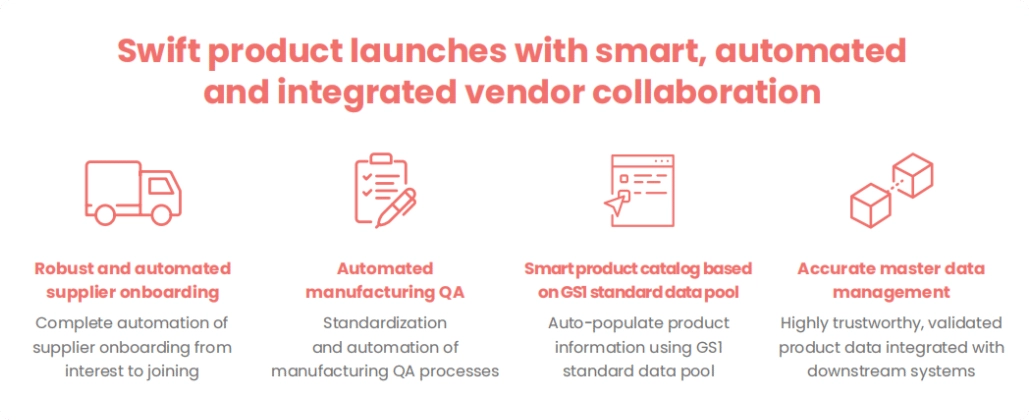
Vendor Link automated the supplier onboarding process, covering the entire range of activities from expressing interest to joining. API integration with the government vendor database was used to auto-fill accurate information about vendors. The entire workflow was structured in a fashion where each persona can track live status and take actions to expedite the process. The client was able to reduce a lead time of 1-2 months for vendor onboarding to less than an hour.

Manufacturing quality assurance is business critical to ensure that OTC products meet the quality standards. Vendor Link’s manufacturing module helped expedite this process. The supplier/buyer was able to upload documents directly to the portal associating products to manufacturing plants. With complete visibility on the source of products, manufacturing plant certifications, and QA process automation, the client was able to achieve faster product approval.

Product onboarding was also streamlined to improve lead time and meet the client’s stringent quality standards. Around 250+ product attributes were auto-filled in the system with the help of GS1 standard datapool. The smart user interface allowed users to efficiently handle 400+ attributes in a single compact view to review and modify product information. As a result, the lead time for product cataloging was reduced to 1 week from the previous 2-3 months.

Communication between vendors and category managers was strengthened through an in-app notifications system that would track each step of vendor processes (approvals, request resubmission, read-unread distinction, etc.). Advanced dashboards enabled complete transparency with quick review of the progress, pending and upcoming tasks for both supplier and retailer. As a consequence, the client was able to close vendor issues 70% faster.

Product lifecycle management was made more efficient by creation of a single source of truth (Master Data) achieved by integrating product and price information with downstream systems (ERS, POS, price management, web shops). This 360-degree view of the product enabled easier audits and price revisions. Price calculator helped teams perform what-if analysis before finalizing the price and hence reduce margin calculation errors.

Vendor Link helped the client transform supplier collaboration from a set of loosely connected processes to a digitized and scalable supplier ecosystem, with streamlined operations and system-wide transparency all the way up to the manufacturing sites. As a result, the client saw a 100% jump in its new product registration post the implementation.

Table Of Contents
Business Value Delivered
Client Overview
The Challenge
The Solution

Explore More Resources on Commerce Personalization

Wine.com Drives AttributeBased Recommendations for Personalization
Food & Beverage US

Wine.com Drives AttributeBased Recommendations for Personalization

See full story
0 %
Reduction in out-of-stock across stores
0 %
increase in revenue

400+ Retailers & Brands Across the World Trust ADA
Looking for a Personalized Demo? let’s talk

Leading American Tech Company Improves Pricing & Promotion

Case Study

Leading American Tech Company Improves Pricing & Promotion

Segment

Specialty Retail (Computer Hardware and Software)

Challenge

Reduce margin erosion and maximize sales with optimal pricing and process automation

Product Used

Outcomes

Optimal pricing strategy for online pricing was achieved, incorporating the product life cycle and major events

Revenue leakage due to unintentional double discounts and incorrect portfolio was reduced by $5 million

Lead time for promotions planning and execution was reduced by 93%

Visibility of promotion and pricing extended up to 20 weeks as opposed to 1-2 weeks before implementation, this helps to optimize the inventory plan as well

The Overview

he client is one of the largest electronics retailers in the world, offering thousands of products across multiple categories such as personal computing, imaging/printing, and computer accessories through its network of exclusive and retail partner stores.

The eCommerce division of the firm was facing multiple challenges with respect to its promotions and pricing strategy.

  • With fast-refreshing product lines, identifying the right price was a challenge, leading to increasing margin erosion.
  • Lack of product life cycle-based decision-making led to undesirable consequences such as over-discounting and inadequate focus on aging inventory.
  • Instant rebate was a complex iterative process, requiring significant time and effort on an ongoing basis.
  • Promotions strategy often did not align with supply lead time, leading to increased customer dissatisfaction and potential loss of sales.

With changing consumer preferences, the client was witnessing fast-refreshing product lines that were getting increasingly deep and complex. The client was looking for an all-encompassing solution that would optimize its pricing strategy in accordance with the product life cycle and power key pricing and promotion processes with Algorithmic Decisioning and smart automation.

1 Powering Algorithmic Pricing for Category Managers

Algonomy’s (now part of ADA) Merchandise Analytics fit in perfectly with the client requirements of a scalable platform that integrates data from multiple systems, provides algorithm-driven prescriptive insights, and improves system-wide transparency. Its ML-based pricing models capture the nuances of the product life cycle and optimize promotions and pricing with smart recommendations. Its automation features further streamline planning processes to make it more efficient.

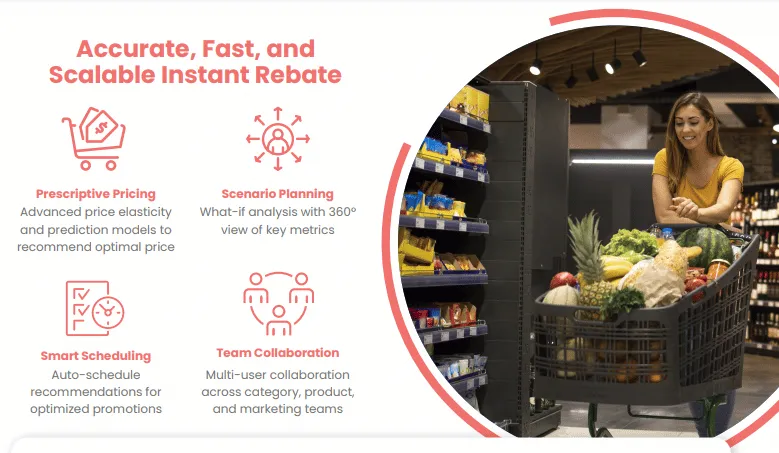
Merchandise Analytics helped the client achieve an optimal pricing strategy and transform its instant rebate and promotions from a set of complex iterative processes to a highly automated, algorithm-driven, and collaborative system.

Advanced price elasticity and prediction models based on ML algorithms helped the category managers achieve optimal instant rebate by identifying the right product and right price. Prices for new products were optimized using advanced algorithms that factor in category and product intelligence. The ability to specify business constraints such as inventory, IR budget, best margin, cannibalization effects, etc. gave the category managers further control to achieve the desired business objectives.

Smart features such as scenario simulation and auto-scheduling provided teams with greater control to optimize their day-to-day activities. With scenario simulation, the teams were able to simulate scenarios on the fly and stay on top of key metrics to make override decisions. Auto scheduling allowed teams to apply recommendations to automate the workflow. Multi-user and multi-team collaborative features helped the client improve coordination and speed up approval mechanisms to optimize instant rebate processes.

2 The ROI of Algorithmic Merchandising

As a result of the above, the client achieved significant improvement in its profit margins and was able to optimize its pricing and promotions processes. Revenue leakage was plugged by $5 million with zero instances of accidental double IRs. The client reduced their lead time for instant rebate implementation from 7 days to 4 hours. The client also reduced the planning efforts of category managers, allowing them to focus equally on all categories. The added capability of scenario simulation helped the client bring agility into planning and avoid the disconnect between supply chain and promotions.

Table Of Contents
Outcomes
The Overview

Explore More Resources on Commerce Personalization

Wine.com Drives AttributeBased Recommendations for Personalization
Food & Beverage US

Wine.com Drives AttributeBased Recommendations for Personalization

See full story
0 %
Reduction in out-of-stock across stores
0 %
increase in revenue

400+ Retailers & Brands Across the World Trust ADA
Need Help With Your Assortment Planning? let’s talk