
Top 10 Inventory Management KPIs Every Retailer Must Track

Merchandising and Supply Chain
Blogs

Top 10 Inventory Management KPIs Every Retailer Must Track

As a leading technology provider for some of the largest retail brands globally, we have witnessed how inventory can be the Achilles Heel for businesses across multiple industries. From millions of dollars drained in lost sales owing to inaccurate demand planning to inefficient promotions degrading the profitability, and high holding costs chipping the bottom lines as a double-edged sword – inefficient inventory planning comes with multiple drawbacks.

Among multiple other causes, the lack of proper tracking and optimizing as per the tracking metrics is one of the most challenging aspects of inventory planning. How to track inventory, what are critical inventory KPIs, what do they mean, and how to optimize inventory as per these metrics?

Below, we explore all these answers and discuss the top ten inventory KPIs every retailer must track.

1. Inventory Turnover Ratio

The inventory turnover ratio is obtained by dividing the total cost of goods sold by the average inventory. The inventory turnover ratio indicates how often inventory is sold and replaced and shows the overall business performance. A high inventory turnover ratio or stock turnover ratio indicates that the inventory is efficient.

Tracking the inventory turnover ratio helps retailers understand what they can sell, and how efficient sales are for the stock. Based on this ratio, they can plan the order frequency and stock replenishment.

2. Average Inventory

Average inventory is another important inventory KPI that is used to determine the inventory turnover ratio and indicates the amount of inventory available at a time. Average inventory is calculated periodically based on the unique business requirements.

Average inventory formula:

Average Inventory = (Beginning inventory – Ending inventory) / 2

Ending inventory is yet another metric that is used to calculate average inventory, and is depends on all the purchases done around the year.

Ending Inventory = Beginning Inventory + Purchases – COGS

3. Stockouts

Stockouts are a direct indicator of inventory health and show how often customer demand can’t be met owing to the lack of the right products. Apart from degrading customer experience, stockouts can cause direct harm to the revenue as 30% of customers switch stores after a single stockout event. Further, stockouts are directly responsible for a 10% sales loss.

Another key metric related to stockouts is the stockout rate, which is the percentage of products not available when they are required for sale. Stock rate is calculated by dividing the out-of-stock items by the total items available in the inventory.

4. Sell-Through Rate

The sell-through rate or sell-through ratio refers to the percentage of stock that is sold. It is one of those inventory KPIs that requires periodic measurement and tracking and a high sell-through ratio indicates efficient inventory and good sales.

Sell-Through Ratio = Amount to Sold Items / Amount of Received Items

It is also called liquidity ratio as it indicates the amount of inventory that has been sold. As stated above, a higher sell-through ratio is good, however, figures close to 100% might also indicate that retailers are running out of inventory. Hence, it is also one of the most critical inventory KPIs that every retailer should closely monitor.

As a standard practice, the sell-through rates are calculated on a monthly basis and are used to decide the replenishment planning schedule.

5. Holding Costs

Holding costs, also known as stock holding costs or inventory holding costs, can directly impact a retail business’s revenue and sustainability. They refer to the cost of storing unsold inventory that has been stored for specific periods or has become obsolete.

The duration of holding, nature of items in the inventory, shelf life of the items, depreciation, opportunity costs, and reason/intent behind storing the inventory are the determining factors of the overall cost a retailer must bear towards inventory holding.

Inventory Holding Cost = (Total Inventory Costs / Total Inventory Value) ×100

Having high inventory holding costs directly indicates poor inventory and business health and indicates situations like reduced profit margins, cash flow constraints, increased risk of obsolescence, operational inefficiencies, missed opportunities, higher storage & maintenance costs, etc.

6. Days Sales of Inventory (DSI)

DSI indicates how long it will take a retailer to sell the entire inventory during a specific period. It is yet another must-track inventory KPI for retailers that helps them understand and assess their sales performance and inventory management efficiency.

In simpler words, DSI means how many days the retailer takes to convert the entire inventory into sales, and it is calculated using the following formula:

DSI = (Average Inventory / Cost of Goods Sold COGS) × 365

Days sales of inventory directly indicate inventory management efficiency and a low DSI indicates efficient turnover and effective sales strategies, while a high DSI may suggest overstocking or weak sales. DSI also offers insight into cash flow, sales performance, etc.

Ideally, DSI should lie between 30 to 60 days and values above 60 days might indicate declining customer demand, or poor demand anticipation.

7. Demand Forecast Accuracy

How well the demand predictions match the actual recorded sales and how well the inventory sells as per the planned projections is another critical inventory KPI that every retailer should track. Demand forecasting accuracy is directly proportional to sales, revenue, customer satisfaction, and inventory efficiency, and paves the way for strategic business growth.

The demand forecast accuracy is calculated by many methods, such as Mean Absolute Percentage Error (MAPE), Mean Absolute Deviation (MAD), and Root Mean Square Error (RMSE).

DFA = (1− (|Actual Demand−Forecasted Demand∣ / Actual Demand)) × 100

A high demand forecast accuracy indicates optimal inventory, efficient replenishment planning, supply chain efficiency, and informed decision-making. Having a consistent high-demand forecast accuracy also reduces inventory costs by 10 to 20%.

8. Inventory Accuracy

It is yet another inventory KPI that every retailer must track and measure consistently. Inventory accuracy indicates how accurate the recorded inventory is and how well it aligns with the physical inventory in the warehouse.

Inventory Accuracy = (Actual Inventory / Recorded Inventory) × 100

High inventory accuracy indicates better operational efficiency and inventory replenishment planning. Maintaining high inventory accuracy helps reduce costs, and improve business planning, and robust decision-making.

9. Service Level

When it comes to inventory KPIs, it is very easy to overlook customer-related KPIs that can hinder the understanding of customer expectations and experience. To ensure granular accuracy and an in-depth understanding of demand patterns, it is important to measure and track customer-related KPIs, such as service level.

Service level means the percentage of customers that didn’t experience any stockout during an inventory replenishment cycle. So, it is a direct indicator of a retailer’s ability to fulfill customer demand in the most optimal manner.

A high service level means the retailers are able to deliver across customer expectations and the number of customers leaving without making a purchase owing to the lack of stock or absence of the right stock is low. Service level is one of those metrics that can significantly alter the sales value, revenue, and customer satisfaction with a slight increase.

10. Gross Margin by Product

As the name suggests, the gross margin by product refers to the profit percentage earned for a single product sold. This metric calculates the profit generated by the sale of each product against its cost and offers granular visibility over the efficiency of inventory at the product level.

Hence, it is a direct indicator of overall profitability and helps retailers make better purchasing decisions and plan optimal inventory.

Gross Margin = ((Sales Revenue − COGS) / Sales Revenue) × 100

Understanding gross margins by product allows the retailers to identify the highest-performing products, and sales performance of different items and make informed decisions for product assortment, pricing strategy, inventory replenishment, and more.

While measuring and tracking inventory KPIs is one of the most reliable and data-driven approaches to inventory optimization and replenishment planning solutions, it is crucial to do so consistently and periodically for a uniform and reliable strategy. The next step in the process of building a data-driven and demand or profit-centric inventory is to leverage the insights at scale and take decisions at a product-location level for different stores, categories, etc.

Table Of Contents
1. Inventory Turnover Ratio
2. Average Inventory
3. Stockouts
4. Sell-Through Rate
5. Holding Costs
6. Days Sales of Inventory (DSI)
7. Demand Forecast Accuracy
8. Inventory Accuracy
9. Service Level
10. Gross Margin by Product

An Industry-Wise Approach to Exploring the Benefits of Inventory Optimization in Retail

Merchandising and Supply Chain
Blogs

An Industry-Wise Approach to Exploring the Benefits of Inventory Optimization in Retail

According to Statista, global inventory distortions cost retailers as much as USD 580 million. Also, the value of grocery retail items going out of stock exceeds USD 500 million. Add increasing fulfillment costs for merchants, longer lead times, demand for better assortment across multiple categories, and breakneck competition to the mix and the retailers end up with a Pandora’s Box in their hands.

While technology-driven inventory planning and management systems are replacing manual and traditional planning frameworks, the overall inventory costs are rising and stock optimization still remains a critical challenge for profitability in the retail sector. This is mainly due to the highly nuanced nature of the various segments such as microtrends and huge seasonality in the health, beauty, and wellness segment, rich assortment and variety constraints in the convenience sector, and demand-based planning in grocery.

However, the nuances are not limited to these factors only. The overlapping of multiple sales influencers, sales and promotional events, holidays, seasons, social media trends, weather, and the deep impact of macro and micro-geographic-level trends/activities make demand anticipation hard and inventory optimisation even harder.

How can retailers optimize inventory with granular precision at the SKU or store level, and what makes optimization of retail inventory so important? What are the various benefits of retail inventory optimization and how to optimize inventory for different retail segments? Finally, is inventory planning different from inventory optimization?

Below, we explore the answers to all these questions at length and discover the benefits of optimizing inventory in an industry-wise manner.

What Is Retail Inventory Optimization?

Optimising inventory means ensuring that the right stock is present in the right quantities at the right location and time, such that the wastage, spoilage, inventory holding costs, and stock issues are minimized without affecting the shelf availability. It also involves planning stock for promotional and sales events while considering the in-store cannibalization and inter-SKU demand shifts and lifts to keep the revenue intact.

Inventory cannot be optimized at such a granular level either manually or with traditional inventory management solutions. Optimized inventory is achieved with the help of intelligent inventory optimization software solutions that consider historical demand patterns, custom sales influencing parameters, and demand planning capabilities.

Why Is Inventory Optimization Important?

Inventory optimization empowers retailers to adapt to demand patterns and supply chain dynamics at an ultra-granular level effortlessly and quickly. They can anticipate the demand in real-time and get automatic updates for just-in-time inventory (JIT inventory), days of stock, out-of-stock, and other configurable inventory events.

Inventory stock optimization allows retailers to quickly adjust the stock replenishment or order plans based on automatically generated forecasts while incorporating the custom rules and settings for specific stores, zones, regions, and geographies. The retailers no longer need to manually adjust for increased demand in specific SKUs or categories and they can easily visualize the inter-category/SKU and intra-category/SKU interplay at a highly granular level.

Another excellent advantage of inventory optimisation is the ability to adapt to the supply side disruptions in an agile and robust manner. AI and ML-driven inventory optimization solutions come with built-in self-learning capabilities to model variations in lead times, safety stock, fill rates, pending orders, and more to ensure optimal stock across the entire value chain.

Finally, the most critical benefit of stock optimization is the ability to outsmart the sales and profit-crushing factors stemming from incomplete or faulty data analytics (for the org-level data as well as competitor and market data).

How Is Inventory Optimization Different From Inventory Planning?

While the emergence of cloud-based and continuously-developed software solutions is constantly blurring the lines between capability-based software platforms, understanding the distinction between operational systems is critical for choosing the right platform, especially in retail.

While inventory planning and inventory optimization are related, they are conceptually distinct. Inventory planning focuses on ensuring that there is sufficient inventory to meet customer demand, keeping stockouts and overstocks at bay, and also involves stock management capabilities, which have been a major offering in ITSM software solutions for many years now.

On the other hand, the core focus of inventory optimization is to maximize inventory replenishment efficiency while reducing costs and wastage and increasing shelf availability. Inventory optimization solutions offer many advanced capabilities to users that allow for custom adjustments in inventory planning, demand forecasting, and supply-side disruption management.

In easier words, it can be considered inventory management optimization and is the next step that retailers should take for better stock efficiency, lower carrying or holding costs, and reduced risks of out-of-stock and overstock events. The retailers can effectively cut the wastage and manage in-store cannibalization to achieve higher profit margins.

Exploring the Benefits of Inventory Optimization – Industry-Wise Overview

1 Grocery Retail

Studies reveal that 40% of retailers cancel at least one in ten orders due to inaccurate inventory data. Further, as many as 60% of retailers have less than 80% inventory accuracy and face data challenges.

The grocery retail sector is prone to wastage, inefficient inventory planning, inaccurate forecasting, and strongly fluctuating customer demand. This calls for effective demand planning and optimizing inventory based on data-driven insights.

Benefits of Inventory Optimization in Grocery Retail

  • Data-Driven Decision Making
    Inventory optimization software solutions can effortlessly integrate data across all functions to draw actionable insights for inventory planning. This ensures accurate and responsive inventory management aligned with real-time customer demand.
  • Accurate Demand Planning

    Research reveals that AI-powered forecasting can reduce supply chain errors by 30 to 50%, shrinking lost sales by 65% and warehousing costs by 10 to 40%.

    Inventory optimizing software comes with a built-in AI-driven forecasting engine that generates highly accurate forecasts while accounting for highly granular demand patterns and other sales influencers down to the SKU and location level.

    They streamline supplier communication and collaboration, reduce lead times, and improve fulfillment, all the while reducing stock issues, and inventory holding costs and boosting shelf availability.

  • Effective Promotions

    Inter-SKU effects can wipe out as much as 17% of the extra sales volume that is supposed to be generated by promotions.

    This is mainly because manual or traditional inventory planning fails to identify the effect of sales on different products and product categories.

    On the other hand, ML-driven inventory optimization balances demand at the SKU level to ensure minimal competition via robust visualization of demand shifts and lifts across all categories and SKUs. This helps minimize inventory holding, stockouts, overstock, etc., and keeps the profits intact across all categories.

  • Minimized Wastage and Spoilage
    Optimizing inventory in grocery retail enables retailers to anticipate customer demand accurately for specific items in extremely challenging categories, such as fresh and ultra-fresh. They can get automated insights for any disruptions, demand shifts, etc., and reduce their sales and revenue loss due to spoilage and wastage.

    ML and AI inventory optimization can help retailers to:

    • Reduce Inventory Cost by 10%
    • Reduce Out-of-Stock Instances by 75%
    • Reduce Wastage by 10-30%
    • Increase Shelf Availability by 99%

Case Study

A Leading Grocery Retailer in South East Asia Slashes Stockouts by 63% and Inventory Costs by $ 1.5 Million

Download Case Study


2 Convenience Store Retail

The convenience store or C-store industry faces unique inventory optimization challenges, ranging from fluctuating customer demands to distinct buying preferences in specific segments. The factors influencing demand patterns vary from the time of day, local events, seasonality, and microtrends to geography or area-specific factors.

Further, the introduction of mobile apps and ultra-fresh categories, such as food service, has added to the supply chain challenges and retailers find it extremely hard to make adjustments on the go. This is where AI-based capabilities in demand planning and inventory replenishment come into play.

Benefits of Inventory Optimization in Convenience Store Retail

  • Multivariate Demand Planning

    Incorporating external sales influencers in inventory planning can boost forecast accuracy by 10 to 15% and can drive cost savings across transportation, obsolescence, and inventory.

    AI-driven inventory optimization software solutions come with advanced functionalities such as multivariate demand forecasting. Thus, retailers can generate highly accurate forecasts while factoring in seasonal changes, local events, weather patterns, lead times, storage space, and more at an ultra-granular level for each channel, store, and category.

  • Dynamic Product Mix

    When asked what makes their C-store shopping experience great, 42% of customers responded with “having the right stock” and 28% of them went with “variety”.

    While having a rich assortment is a critical must-have for C-store retailers, it can easily balloon the inventory costs and dent the revenue. Fast-moving products, short shelf life, constant demand for variety, and limited storage space make it hard for C-store retailers to offer a rich assortment.

    C-store inventory optimization software leverages the built-in intelligence of AI and ML algorithms to comprehend demand and supply fluctuations at the minutest product and location levels. Retailers can generate highly precise order plans every time for each location without compromising the shopping experience and bottom lines.

  • Managing Unpredictable Demand Patterns

    As many as 88% of customers consider the experience provided by a brand to be as valuable as its products or services.

    In C-store retail, the product lifecycle is short and inventory is quickly moving. Coupled with highly fluctuating demand patterns, it makes a complex puzzle beyond the reach of traditional inventory planning systems.

    Intelligent inventory optimization software can easily overcome these bottlenecks by factoring in diverse, complex, and granular sales influencers for C-store retail. With advanced retail data modeling and intelligent demand forecasting, they can optimize inventory for specific locations, stores, channels, products, etc. while reducing inventory costs and improving accurate shelf availability.

  • Competition from Quick Delivery Services

    Armed with the ability to get things delivered to their doorsteps in less than an hour has left a significant dent in the C-store market. Hence, anticipating demand intelligently and ensuring delightful customer experiences has become even more important for convenience retailers.

    AI and ML-driven inventory optimization software leverages different techniques for different business use cases and allows users to choose custom parameters for optimizing inventory at the product-location level. Offering the right products at the right time without leaving the shelves overflowing or empty helps boost revenue as well.

  • Chaos-Free Promotions

    Running effective promotions in convenience retail is challenging because of the large number of suppliers, short product lifecycles, quick new product introductions, etc. Further, the sales are affected by the local parameters and the inventory planning solutions lack the ability to analyze data from multiple sources keeping the core sales and demand patterns in mind.

    On the other hand, the software for inventory optimization in convenience store retail takes multiple datasets as input, such as historical sales and promotional data, seasonal trends, and external & internal sales data. The software shows effects on the demand for specific products due to promotions down to the SKU, across every different product location.

Case Study

A Major US-based Convenience Store Retailer Takes Its Supplier Collaboration to the Next Level

Download Case Study


3 Health, Beauty & Wellness

Health, beauty, and wellness is another challenging retail segment and is an umbrella term for different emerging aspects of pharmacy and personal care. The segment suffers from intense competition, significant obsolescence, seasonality, higher inventory holding costs, and sudden market shifts due to new products and social media trends.

More than 50% of consumers use multiple brands for products like hair, skincare, and fragrance, making accurate demand forecasting difficult.

  • High Inventory CostsThe health, beauty, and wellness retail has high-bulk, high-value product categories, making the inventory costs significantly higher than the other segments. Hence, any slips in demand forecasting and replenishment planning can erode the bottom lines and leave retailers with reduced finances for further sourcing.

    AI/ML-driven inventory optimization software solutions tackle the root cause of the problem with highly accurate forecasting and precise order planning across different product locations. They can analyze real-time data and demand patterns at an ultra-granular level, such as channel, store, category, SKU, and more.

  • Adaptive ReplenishmentThe health and beauty retail segment experiences rapid trend shifts and demand fluctuations, and unpredictable factors such as influencer-led marketing and product critique can render an entire category obsolete.

    This volatility makes inventory planning particularly challenging, taking down accuracy rates to anywhere between 30% and 50%, mainly because the planning systems are unable to anticipate and adapt to such disruptions.

    Optimizing inventory with adaptive self-learning models enables retailers to model variations in key supply-side metrics, such as lead times, pending orders, fill rates, safety stock, and more. Hence, retailers can effortlessly manage disruptions and ensure business continuity even during demand shifts or new product introductions.

  • Managing SeasonalityHealth, beauty, and wellness consumers across the globe are using different brands for different seasons and more than two or three products from different brands at a time. Thus, seasonality has a huge impact on the overall inventory planning.

    Smart inventory optimization software incorporates historical sales data, upcoming trends, available stock, and highly granular sales influencers (external as well as internal factors) for specific stores, channels, locations, categories, and more, to manage seasonal and hyperlocal variations in demand.

  • New Product Introductions

    Nearly 50% of US beauty shoppers buy new products based on online feedback from others but poor inventory management can lead to a 25% loss in potential sales due to out-of-stock events.

    Automated inventory optimization platforms utilize attribute-based and hierarchical forecasting for similar product attributes and higher-level category trend analysis. This ensures better stock availability, precise anticipation of customer needs, and quick adjustments to demand shifts at the hyperlocal level.

Case Study

A Leading Pan-Asian Health, Beauty, and Wellness Retailer Reduces OOS by 60% and Unlocks a 62% Increase in Inventory Turnover

Download Case Study


How Can ADA Help?

ADA Global offers a highly advanced Machine Learning-driven inventory optimization software solution – Order Right, with a built-in demand forecasting engine running on AI and advanced data analytics.

Thus, retailers from all segments of the retail industry can plan the inventory, and demand, and take care of supply-side disruptions, all from a single dashboard interface. Order Right comes with automatic outlier detection and ensemble algorithms, self-defines the best-fit criteria, and allows the users to configure them. It offers custom algorithm selection and allows retailers to add or drop demand predictors and set their priorities for extremely precise forecasting.

Order Right leverages hierarchical forecasting to overcome retail data noise and generate highly accurate forecasts. As the inventory replenishment is built on top of highly accurate demand forecasting, and the models are constantly trained on historical data, trends, and demand patterns, the retailers are able to optimize the inventory in a strategic and efficient manner, thereby unlocking multiple business benefits, including:

  • 10% Reduction in Inventory Costs
  • 75% Reduction in Out-of-Stocks
  • 10-30% Reduction in Wastage
  • 99% Shelf-Availability

For more information about how Order Right optimizes inventory while tackling core planning issues such as inter-SKU effects or in-store cannibalization, supply side disruptions, and more, please get in touch with our experts for a personalized free demo session today!

Table Of Contents
What Is Retail Inventory Optimization?
Why Is Inventory Optimization Important?
How Is Inventory Optimization Different From Inventory Planning?
Exploring the Benefits of Inventory Optimization – Industry-Wise Overview
How Can ADA Help?

Frequently Asked Questions

What is inventory optimization?

Inventory optimization means getting the right inventory to the right place and at the right time to meet customer demand while minimizing stockouts, overstocks, and inventory costs, and improving shelf availability.

What is the difference between inventory management and inventory optimization?

Inventory management involves everyday operations spanning the entire distribution network like stock management. On the other hand, inventory optimization involves strategic inventory placement based on demand patterns, customer trends, and historical sales data to boost profitability, reduce costs and wastage, etc.

Can we optimize inventory manually?

Inventory optimisation is done at a highly granular level and involves understanding and co-relating the product-location-demand dynamics. Manual inventory optimization is neither scalable nor efficient and suffers from subjective bias and computational limitations.

What are the benefits of inventory optimization software?

inventory optimization software solutions come with built-in intelligence of ensemble algorithms running on advanced technologies such as AI/ML. Apart from improving inventory ROI, the solutions automate replenishment at granular level, reduce inventory costs, boost sales via strategic inventory placement, and cut down obsolescence and wastage.

Hey There, Retailer! Let’s Make Your Inventories Holiday-Ready!

Merchandising and Supply Chain
Blogs

Hey There, Retailer! Let’s Make Your Inventories Holiday-Ready!

Early shopper waves, midnight snackers, holiday hoarders, and last-minute planners – the holiday frenzy has uncertain customer highs and lows. Tagging along the nuanced customer are the retailers – convenience and grocery alike – dealing with the holiday rush, promotions, inventory planning, and supplier-induced disruption. With trends in purchase and pricing fluctuating rapidly, retailers often find it hard to make the most of the holiday season with better profits, lesser wastage, and more efficient promotions.

Studies reveal that more than 76% of customers will make their Thanksgiving purchases at the stores. Also, a staggering 79% of shoppers are planning to keep their Thanksgiving purchases the same as every year despite the rise in prices. However, they are seeking better offers and bundled items to make up for them.

Outsmarting complex demand patterns and sales influencers is challenging with manual or traditional demand planning and replenishment planning solutions that plan only for set variables and have limited ability to adapt to real-time changes. On the other hand, AI and ML-driven inventory optimization solutions can not only adapt to real-time supply-side disruptions, but they can also plan for a diverse set of sales influencers at the product-location level while offering insights for promotions management as per demand lifts and shifts.

Here are five ways AI/ML-driven inventory optimization can help retailers unlock record holiday profits!

1. Accurate Demand Forecasting

Accurate demand forecasting is the heart of inventory optimization, and failing to capture accurate demand can derail replenishment planning significantly. Studies reveal that the cost of holding excess inventory in grocery retail has increased by as much as 30%, reducing the profit margins significantly.

Further, as many as 75% of customers have altered their purchase behavior owing to recent market changes, such as the economy, evolving priorities, etc.

AI-driven demand forecasting solutions is dynamic, is done via intelligent ensemble algorithms that are tuned to retail industry nuances, and offers the option to customize the forecasting process according to different business requirements. Retailers can identify hidden demand patterns, demand shifts, and lifts during specific times of the year, consider historical sales data, add multiple sales influencers in the form of forecasting constraints, and still generate highly accurate forecasts within minutes.

2. Product-Location Dynamics

Retailers often grapple with location-induced inefficiencies and pain points, that can bleed the revenue. They are unable to find which products and categories are performing the best at which locations during which times and how the interplay of seasonal, community, or promotional factors affects the overall sales performance.

Let’s explore how this becomes crucial.

Recent research outlines that shopping preferences change not only across categories or products but also from one geography (store) to another. For instance, 80% of the Northeast US customers were more likely to purchase canned Whipped Cream than the national average, while 90% of West US shoppers and 50% of Midwest customers favored Heavy Cream. The trends fluctuate in core holiday categories and products, such as frozen and fresh turkey, cranberries, nuts, baked mixes, blended juices, and so on. AI/ML-driven inventory optimization solutions plan for product-location-level dynamics with hyperlocal precision to ensure that each location has the right products in the right pack sizes and at the right times. This effectively cuts down inventory holding costs, out-of-stock and overstock events, and boosts shelf availability, thereby increasing customer satisfaction.

3. Adapting to Supply-Side Disruptions

Supplier-induced challenges, such as increased lead times, reduced safety stock levels, or delayed deliveries, can negatively impact replenishment and can land retailers in massive capital lock-ins. This, in turn, snowballs into issues like obsolescence, lost sales opportunities, and overstocks and affects supplier relations.

While there is no reliable way to manage these disruptions in manually managed supplier-retailer ecosystems, traditional supplier management practices also fail because of siloed supplier and inventory data across multiple locations.

AI-driven inventory optimization solutions effortlessly overcome these challenges by integrating supply-side data and offering predictive analytics-based actionable insights for any disruption. Retailers can leverage self-learning models to optimize replenishment plans by modeling variations in lead times, fill rates, safety stock, and pending orders. This helps in safeguarding stores and warehouses from supply chain disruptions in an adaptive, robust, and scalable manner.

4. Managing Promotional Chaos

Promotions and sales events during holidays change every few days and even hours, depending on categories, products, locations, and platforms. And, the consumers want to make the most of these deals. During the Thanksgiving week, the trends are particularly fluctuating, with Thanksgiving baskets becoming one of the top-selling items and bundled discounts running steeper.

This leads to a complex interplay among different products, product sizes, brands, categories, etc., across different stores and locations, and can actually eat away as much as 17% of the projected revenue to be made from sales. Also termed in-store cannibalization or inter-SKU effect, this shift or lift in the demand can be managed seamlessly with precision across all stores and locations from a single integrated dashboard. Inventory optimization solutions plan for cannibalization well in advance to generate highly accurate order plans, and can also adapt these order plans for any real-time demand fluctuations.

Thus, retailers can keep their revenue intact, prevent profit dilution, and run successful promotions, to make the most of the holiday season.

5. Multi-Echelon Inventory Optimization

What makes holiday inventory optimization particularly challenging, is the fact that retailers are unable to optimize the replenishment plans across the entire value chain in a holistic manner. The inability to capture and manage Direct Store Orders, Stock Transfer Orders, and Warehouse Orders from a single interface can lead to inefficiencies and an increase in inventory holding costs.

AI/ML-driven inventory optimization solutions can support such orders while offering additional advanced capabilities such as accurate forecasting, predictive alerts for days of stock situations, excess stock, and expiring products, and can also facilitate easy new product introductions.

Such solutions can help retailers optimize their inventory in a scalable and intelligent manner and can improve shelf availability by 90%, reduce OOS by 75%, cut inventory costs by 10%, and wastage by up to 30%, thereby unlocking greater savings, and unparalleled efficiencies.

Also read: Optimizing Your Retail Strategy for the Holiday Season

Table Of Contents
1. Accurate Demand Forecasting
2. Product-Location Dynamics
3. Adapting to Supply-Side Disruptions
4. Managing Promotional Chaos
5. Multi-Echelon Inventory Optimization

Navigating C-Store Retail Complexities: How Can Automation Help?

Merchandising and Supply Chain
Blogs

Navigating C-Store Retail Complexities: How Can Automation Help?

With a staggering 150 Million+ convenience stores and a record 160 million transactions per day in the US alone, convenience store retail emerges as a delectable opportunity. However, 42% of the customers shopping at C-stores consider “having the right stock” to be one of the most important factors for a delightful experience. Add the constantly fluctuating pool of suppliers, micro-trends affecting sales, and highly evolving demand patterns to the mix, and retailers are left with nothing short of a mind-bender.

The traditional replenishment planning approach crumbles in the face of the challenging C-store landscape due to the inability to predict demand across multiple locations, optimize inventory ROI, and plan promotions that don’t cannibalize sales. So, how can retailers break out of the vicious cycle of having too much stock or empty shelves, and how can they entice customers with loyalty programs without compromising margins? How can they simplify new product introductions and supplier collaboration at a scale?

Let’s dive into the answers!

#1 – Managing Unpredictable Demand Patterns

As many as 88% of customers consider the experience provided by a brand to be as valuable as its products or services. However, the short product lifecycle in quick-moving C-store retail and highly fluctuating demand patterns make it hard to decode customer delight. Traditional inventory management optimization lacks agility and fails to adapt to quick demand changes or anticipate key metrics such as “what” or “how”.

On the other hand, intelligent replenishment built on top of AI-driven demand planning overcomes these bottlenecks. Retailers can generate highly precise order plans with a few clicks while factoring in diverse, complex, and granular sales influencers for C-store retail. They can optimize inventory for specific locations, stores, channels, products, etc. while reducing inventory costs and improving accurate shelf availability.

#2 – Incorporating Micro-Granular Sales Influencers

C-store retail has extremely complex and elusive sales influencers or parameters, such as time of the day, season, holidays, local events nearby, new product launches, short-term trends, and many other locality-specific factors. So, mastering inventory planning requires a careful analysis of all these factors which might be highly subjective and far beyond the computational expertise of traditional replenishment solutions.

Replenishment planning solutions with the in-built intelligence of AI and ML algorithms can easily generate precise order plans for specific locations while adjusting to specific sales influencing parameters at scale. Thus retailers can optimize inventory across multiple locations without having to switch interfaces while adapting to customer preferences and historical sales data at an ultra-granular or hyperlocal level.

#3 – Managing Promotions Chaos-Free

Loyalty programs, bundled offerings, and promotions (discounts and sales) are some of the most challenging aspects of C-store strategizing. The inability to analyze and map the effects of such offerings in advance is one of the major driving forces behind this. As the local parameters influence the demand patterns and inventory, and products are replaced at a quick pace, promotions become trickier to manage.

AI and ML-driven solutions inherently incorporate data from multiple sources, such as promotions, historical sales, and more, and all the order plans are generated accordingly. Thus, the retailers can easily optimize the predictive replenishment for specific locations in a data-driven manner.

#4 – Competition From Quick Delivery Services

The emergence of quick delivery services that deliver food and other essentials in time-crunched delivery windows has given solid competition to the convenience store retail model. These quick delivery services offer a great assortment of goods and the convenience of getting everything delivered to your doorstep. Hence, offering variety is no longer a critical business differentiator. Retailers need to play smart when it comes to offering assortment as well as delightful personalized retail experience, such as offering bundled offerings, and loyalty programs, and aligning the promotions with the changing customer demand patterns.

Such careful planning of inventory operations while ensuring cost-effectiveness and streamlined management across the entire supply chain is a massive enigma. Integrating technology for multiple format retailing, optimizing replenishment specifically for high ROI products, at store, channel, category, or SKU level, and constantly adding/removing products for optimal profitability can emerge as a powerful solution.

#5 – Sustainable Operations

Global consumer preferences have changed after the pandemic, willing to pay a sustainability premium of 9.7%. Wastage, supply chains with high CO2 emissions, and cost-intensive sourcing are making consumers disgruntled, and organic, locally sourced fresh produce is seeing higher demand.

Ai replenishment optimizes inventory to reduce stockouts as well as out-of-stock events while increasing shelf availability and decreasing inventory spoilage by up to 30%. This is also a strong point in favor of C-store retail planning as compared to quick delivery services where the carbon cost of deliveries is very high.

#6 – Constantly Evolving Supplier Network

C-store retailers have a wide supplier network that is constantly changing with suppliers moving in or out of the network, based on the newly introduced or discounted products. Disparate supplier collaboration platform interfaces lead to errors, tedious finance management, and clunky supply chain operations. Thus, retailers can land in supply-side complexities that can disrupt functioning and also leave a dent in finances.

Automated supplier collaboration solution facilitate quick supplier onboarding and efficient management of suppliers via in-built workflows for cross-functional decision-making. Capabilities such as EDI, digital cataloging, automated invoice reconciliation, and more can reduce paperwork, minimize errors, and ensure transparent status tracking.

The landscape of convenience stores is rapidly changing, with new demands on product offerings, a shift towards sustainability, and the need for seamless integration between in-store and online experiences. To stay ahead, C-store leaders must rethink strategies for retail planning, inventory demand prediction, and collaboration.

Also read: 5 Reasons Why Your Store Replenishment Might Be Ineffective

Table Of Contents
#1 – Managing Unpredictable Demand Patterns
#2 – Incorporating Micro-Granular Sales Influencers
#3 – Managing Promotions Chaos-Free
#4 – Competition From Quick Delivery Services
#5 – Sustainable Operations
#6 – Constantly Evolving Supplier Network

AI Demand Forecasting for Convenience Store Inventory Planning

Merchandising and Supply Chain
Blogs

AI Demand Forecasting for Convenience Store Inventory Planning

Research shows that the global convenience store market size is USD 663.5 billion, and the revenue projections sit at the USD 3.12 trillion mark for 2028. While the numbers paint a decent picture, stock issues, shrinking profits, spoilage, and loss of sales due to manual promotional planning keep on speed-bumping. Further, 42% of customers point out having the right stock and variety (28%) as the two most important factors for a positive C-store shopping experience.

Ensuring high shelf availability, quick and efficient adaptation to evolving demand patterns, and real-time views over demand shifts and lifts during promotions and discounts can transform inventory planning and boost customer satisfaction. However, these capabilities stem from a robust, intelligent, and self-learning technological infrastructure. But then again, where does one start, and what are the top automation use cases for convenience store inventory planning?

Let’s take a quick look at the answers.

#1 – Start With Demand Forecasting Solution

A whopping $163 billion of inventory is tossed annually due to damage and oversupply. Overstock and out-of-stock are two major cost bleeds for retailers, especially in the convenience store segment, where fresh and ultra-fresh inventory is vulnerable to quick wastage and spoilage. Augmenting demand planning frameworks with advanced AI-driven capabilities can overcome stock issues and help retailers unlock significant inventory cost savings.

While inaccurate demand forecasting can inflate inventory holding costs by up to 30% and erode profit margins, AI-powered forecasting can reduce supply chain errors by up to 50%, reduce lost sales by 65%, and reduce warehousing costs by up to 40%. Another critical benefit of accurate demand forecasting is data-driven inventory planning that ensures optimal replenishment at all times while boosting shelf-availability and reducing stock issues.

#2 – Automate Replenishment

Traditionally, demand planners have been working with sheets-based planning systems with basic automation capabilities patched together that result in a fragmented functioning of disparate components. Further, studies reveal that 40% of retailers cancel at least one in ten orders due to inaccurate inventory data.

They are manually cranking the orders up or down on the basis of random adjustments to demand influencers like seasonality, obsolescence, previous quarters’ or previous holidays’ patterns. This can lead to markdowns and wastage while bloating the inventory costs owing to the lack of clarity and visibility over location/product/supply-specific nuances.

Machine Learning-based retail replenishment algorithms are self-learning, adaptive, and exhaustive and can dynamically adjust to changes in demand patterns, external and internal sales influencers, promotions, supply-side disruptions, and more. Intelligent replenishment optimization solutions integrate data across all functions to draw actionable insights for accurate and responsive inventory planning aligned with real-time customer demand. They automatically choose and prioritize the most crucial sales influencers while taking any specific events, such as promotions, in consideration to adjust inventory to demand shifts and lifts.

#3 – Take Data-Driven Inventory Decisions

Nearly 60% of retailers have less than 80% inventory accuracy and face data challenges.

Inaccurate inventory data or siloed data collected in disparately working components of the merchandising ecosystem prevent retailers from placing the right amount of inventory in the right place in a timely manner. This can prove fatal for profitability, especially in the C-Store segment, where managing sales events is already challenging owing to a poor understanding of SKU-level dynamics at specific store locations.

Intelligent inventory replenishment solutions optimize inventory at a product-store level for precision at the hyperlocal level based on granular visibility over demand patterns exhaustive understanding of sales influencers. Retailers can automatically generate highly optimal order plans for inventory at specific store locations, curbing in-store cannibalization, overcoming data challenges, and outsmarting supply chain disruptions.

#4 – Automate Supplier Management

While 45% of global supply chains are expected to be autonomous by 2035, 45% of businesses report limited supply chain visibility, and only 15% of CPOs report visibility beyond Tier 1 suppliers.

Businesses like convenience stores generally have a wide supplier network, especially for categories such as tobacco, beverages, fresh food, packed foods, drinks, groceries, etc. This often translates into switching among multiple supplier management interfaces and manual management of consignment, order, supplier, claims, and various other forms of data.

Communication gaps, loss of context owing to translation, lack of standardized communication formats and channels, and manual collaboration with individual supplier – all these become roadblocks to effective supplier collaboration. Automating supplier management can work wonders in this regard.

Often termed supply chain automation and supplier automation, AI-driven supplier collaboration solutions nip the root cause of inventory challenges stemming from supply-side issues. Automation-powered supplier management systems streamline the entire query response and resolution process via built-in intelligent workflows that can be customized to the business needs. Establishing electronic data exchange capabilities, digital cataloging, and seamless integration of Purchase Orders (POs) and Goods Received Notes (GRNs) across suppliers, manufacturers, and retailers all improve supply chain responsiveness and accuracy.

0 %
Inventory Cost
0 %
Out-of-Stock Instances
10-30 %
Wastage
0 %
Shelf Availability

A successful C-store inventory planning strategy is fundamentally built on robust and intelligent automation. Further, retailers need to take decisions based on a consolidated and integrated understanding of the interplay among different sales influencers at specific locations, SKU-level, etc. Hence, investing in standalone solutions for demand forecasting, replenishment processes, or supplier management will no longer make the cut.

Integrating core processes for exhaustive modeling and demand pattern analysis, making data-driven inventory decisions, and streamlining supplier management, convenience stores can effectively address the challenges of stock issues, spoilage, and inefficiencies. Such capabilities can effectively reduce inventory costs, and stock issues, improve shelf availability, and pave the way for profitability that doesn’t come at the cost of customer satisfaction.

Table Of Contents
#1 – Start With Demand Forecasting Solution
#2 – Automate Replenishment
#3 – Take Data-Driven Inventory Decisions
#4 – Automate Supplier Management

MLBased Replenishment Planning for Lower Inventory Costs

Merchandising and Supply Chain
Blogs

MLBased Replenishment Planning for Lower Inventory Costs

Poor cash flow, pressure from suppliers, locked-in capital, and high wastage – the list of disadvantages of poor replenishment can go on very long to become every retailer’s nightmare. Seasonality, multi-variate demand planning, multi-echelon inventories, inter-SKU effects, and lack of visibility over the supply side all can lead to an inventory fiasco that can erode capital at rocket speed. What makes the situation even scarier is the fact that carrying too much inventory spurs equally costly secondary challenges, like excessive obsolescence, pilferage, and ad-hoc expenses like maintenance, taxes, insurance, marketing, and more.

Stats reveal that the US retailers have $1.40 of inventory in stock for every dollar they make. Further, the annual additional cost of holding excess inventory ranges between 25% and 32%. Holding excess inventory directly leads to excessive debt servicing and lower gross margins, both of which inflate operational costs and degrade profitability. As tough as it might sound, taming the behemoth is just like dealing with a snowball – tackle it before it becomes too big!

Automation-powered accurate forecasting coupled with ML algorithms tuned to the retail nuances down to the product location level can reduce inventory distortions, stock issues, inventory investments, and wastage while improving inventory turnover, customer satisfaction, and shelf availability. Let’s examine how this happens, and how every retailer can make the most of it.

1. Automate Forecasting

Static demand planning and manual forecasting adjustments based on hunches or random variances can skew the inventory replenishment from the actual demand and fail to adapt to demand fluctuations. They have no room for anticipating, predicting, and aligning to supply chain disruptions, leading to bloated inventory, stock issues, and capital lock-ins.

On the other hand, intelligent demand forecasting solutions generate demand forecasts based on exhaustive data processing and analytics while factoring in significant & influential factors and the magnitude of their effects on AI.

They streamline supplier communication and collaboration, leading to smoother order fulfillment and reduced lead times. Studies reveal that AI-powered forecasting can reduce supply chain errors by 30 to 50%, shrinking lost sales by 65% and warehousing costs by 10 to 40%.

2. Inventory Replenishment Built on Top of Accurate Forecasting

It is important to understand inventory success as a cumulative result of multiple factors – replenishment built on top of accurate forecasting stemming from exhaustive, intelligent, and ML-powered data analytics and visualization. Achieving this is next to impossible with legacy models where retail data is siloed and every component works disparately.

AI/ML-based forecasting facilitates data-driven replenishment planning decisions in real-time by factoring in external as well as internal factors, which can directly slash stockouts, 70-90% of which are caused by poor stock replenishment. However, OOS management is not the only benefit.

Adaptive self-learning models can easily optimize replenishment plans by modeling variations in lead times, fill rates, and pending orders, which empowers retailers to adapt to supply chain disruptions. Further, they can plan for store-level as well as warehouse-level trends while incorporating a diverse set of constraints for each one of them, thereby unlocking accuracy at the hyperlocal level.

3. Incorporate Diverse Sales Influencers

Annually, $163 billion worth of inventory is discarded due to oversupply and damage. Further, retailers in the US alone lost a staggering USD 82 billion because of out-of-stock items. Failing to understand, identify, and adjust inventory plans to diverse sales influencers, such as weather, lead times, seasonality, storage capacity, microtrends, sales, etc., can directly impact sales contributing to markdowns, wastage, and customer loss.

ML-powered replenishment planning solution coupled with AI-driven forecasting leverages intelligent algorithms for diverse scenario modeling, allowing best-fit selection and tuning replenishment as per multiple sales influencers. Thus, retailers can optimize inventory from a single integrated interface and create dynamic order plans.

4. Capture Cannibalization

Events like sales, discounts, promotions, and new product introductions can cause sudden dips or spikes in certain product categories, or SKUs, causing adverse effects on sales and profits. Manual management in such cases comes with more ramifications as it is highly subjective and vulnerable to bias.

On the other hand, ML-driven replenishment solutions can effectively handle in-store product cannibalization. They can dynamically balance demand among products or competing SKUs, considering promotions and availability. Intelligent scenario modeling allows retailers to introduce new products with minimal distortions of effects on existing or incoming inventory.

Further, retailers can automatically adjust replenishment levels up or down to align with the shifting market, thereby keeping the profitability and sales intact. They can effectively optimize multi-echelon inventory across the entire supply chain and unlock greater savings, reduced inventory costs, and higher availability.

Investing in AI/ML-powered replenishment planning solutions comes with multiple benefits, including predictive alerts for days of stock, potential supply chain disruptions, and stock-related events. Such smart capabilities arm the retailers with the right arsenal to keep on catering to the volatile customer sentiments without ballooning inventory or having empty shelves, which paves the way for sustainable business growth and customer loyalty.

Table Of Contents
1. Automate Forecasting
2. Inventory Replenishment Built on Top of Accurate Forecasting
3. Incorporate Diverse Sales Influencers
4. Capture Cannibalization

Strategic Inventory Optimization in Health, Beauty, and Wellness Retail Through Algorithmic Replenishment

Merchandising and Supply Chain
Blogs

Strategic Inventory Optimization in Health, Beauty, and Wellness Retail Through Algorithmic Replenishment

Ryan, head of supply chain at a leading beauty retailer, thought he’d nailed the skincare order—all products were in high demand last summer, and he even adjusted the order for demand fluctuations in the last few months. However, even after two weeks, the products still lie on all major stores’ shelves. Overnight, the consumer buzz has shifted to another brand, driven by a viral trend and season-induced demand spikes.

Now, Ryan is in a fix! What should he do – push forward with the original plan, risking overstock and markdown, or does he pivot, recalibrating the inventory strategy to seize the moment?

Imagine being Ryan. Certainly, not a good place to be, right?

More often than not, retailers in extremely volatile retail segments, like health, beauty, and wellness end up in shambles owing to inaccurate inventory planning. Further, as per McKinsey’s global consumer survey in 2023, more than 50% of consumers use three or more brands for fragrance, hair, and skincare, and one-third use five or even more for cosmetics. This means inaccurate inventory planning can lead to critical fiascos, and yet, the inventory accuracy rate in beauty retail stays in the range of 30% to 50%, leading to markdowns, overstocks, expiry of products, obsolescence, and other such losses.

What if Ryan’s replenishment engine could sense these shifts as they happen and dynamically adjust the orders automatically—no last‑minute fixes, no manual inventory cranking, just precision stock levels that follow market movements. He would be registering record sales while slashing through stockouts and overstock.

Let’s explore how strategic inventory optimization helps retailers not only react to market changes but also anticipate them, leverage intelligent algorithms for demand forecasting, and craft dynamically adjusting replenishment strategies to stay ahead of the curve.

5 Ways Algorithmic Replenishment Planning Empowers Retailers via Strategic Inventory Optimization

1 – Granular Visibility and Planning

Having a strong omnichannel presence is crucial for retailers to position themselves in an extremely competitive health, beauty, and wellness ecosystem. However, having the right inventory in the right place is a challenge. It requires exhaustive data analysis across all the entities – customers, market, channel, geography, sales/purchase drives, emerging trends, and more. Gathering all this unstructured and unliked data and processing it to identify hidden trends and predictive insights can neither be done manually nor by traditional demand forecasting frameworks.

AI-powered inventory optimization solutions that are tuned for health and beauty retail nuances can easily process unstructured data from multiple resources to identify hidden patterns and offer predictive as well as prescriptive analytics for what-if scenarios and forward-looking trends. Retailers can generate highly accurate inventory plans as much as 90% of the time to ensure high availability without overstocking or cannibalization. They can create granular forecasts for different stores, channels, and locations to ensure the right products are always available at the right time for better customer experience and boosting brand loyalty.

2 – Dynamic Replenishment Planning Strategies

Replenishment is a critical part of inventory optimization as it involves restocking inventory based on demand data. Traditionally, retailers have created replenishment plans with static values for standard deviations. However, there are many other deviations, such as seasonality, new assortments, pricing and promotions, and weather

Stockouts are not only bad for customers but they hurt the retailers too. Stats reveal that every year retailers lose an estimated USD 350 billion to stockouts in the US and Canada alone. Also, as much as 70% to 90% of stockouts are caused by poor shelf replenishment practices. Investing in AI-powered solutions for auto-replenishment that leverage Machine Learning algorithms for modeling and demand sensing across all channels can change the entire scenario. Retailers can set custom criteria and constraints for demand planning to create dynamic replenishment planning strategies that help them avoid and manage business risks, like the one faced by Ryan, in the introduction.

3 – Reducing Overstock and Obsolescence

Overstocking in health, beauty, and wellness retail can kill revenue faster than ever because of intensely competitive price points, higher unit costs, and volatility induced by microtrends and influencers. A perfectly working assortment/bundle of a beauty range can become irrelevant overnight with a single influencer making a single reel/post about a single “could-be harmful” ingredient.

Hence, retailers no longer have the luxury of stocking the top-grossing product range as they can quickly go obsolete leading to markdowns or even worse, dropped sales. Managing these fluctuations alongside the supply chain planning for sourcing and supplier collaboration is impossible in a manual setting.

The situation, however, changes with intelligent inventory optimization. Getting highly granular forecasts and replenishment planning insights for timelines as small as a day or two or a week frees up the retailers from overstocking or obsolescence blues. They can get alerts for any long-term and short-term demand changes and adjust their inventories accordingly.

4 – Supply Chain Efficiency

Unpredictable lead times, in-transit delays, and supply chain constraints like minimum order quantities can easily derail both supply chain efficiency and inventory planning. Further, longer lead times can translate into excess inventory, stockouts, and wastage of resources, which ultimately amount to a loss of sales.

Algorithmic replenishment automates the critical processes of inventory management, like receiving and ordering the inventory as per the demand patterns and market fluctuations. This saves countless manhours and makes the overall supply chain planning efficient. The retailers are ordering items as per the current needs and upcoming market disruptions, which means they can plan better shipment loads and foster mutually fulfilling supplier collaboration.

Advanced capabilities like predictive and prescriptive analytics empower retailers to take appropriate action at the right time to minimize losses owing to supply chain constraints. They can also automate mundane processes to make more time for strategic inventory planning. Further, as the retailers have a granular view of their channel/store/location-specific stock requirements, they can easily overcome the existing supply chain bottlenecks and create more efficient consignment flows as per the immediate and long-term needs.

5 – Just-in-Time Inventory Management

With more and more influencers, brands, and researchers focusing on the freshness of ingredients and formulations, and people finding reviews citing results in 15 days, one month, etc., shelf life management has become a major factor in just-in-time (JIT) inventory planning. While the life of standard beauty and wellness products like creams and lotions is still more, when it comes to well-defined popular categories like actives, serums, and chemical agents, retailers need highly reliable JIT indicators for strategic inventory planning.

Processing such huge data sets with different variables, like SKU type, size, shelf life, location-based demand, and consumption trends, without advanced analytics and intelligent replenishment solutions is a lost cause. Algorithmic replenishment takes the guesswork out of the entire planning process and gives extremely accurate insights for JIT inventory management while adhering to granular constraints such as SKU size, location, type, and more.

Positioning a retail brand in competitive categories can become challenging without any reliable, scalable, and intelligent tech infrastructure powered by advanced technology. Strategic inventory optimization is crucial for rising above the competition while selling similar products across different locations and channels. They empower retailers with actionable insights and predictive as well as prescriptive analytics, ensuring high shelf availability, reduced stockouts or overstocks and cannibalization, and preventing them from becoming “the Ryan”.

Table Of Contents
5 Ways Algorithmic Replenishment Planning Empowers Retailers via Strategic Inventory Optimization
1 – Granular Visibility and Planning
2 – Dynamic Replenishment Planning Strategies
3 – Reducing Overstock and Obsolescence
4 – Supply Chain Efficiency
5 – Just-in-Time Inventory Management

Riding the Disruption Wave: Why Granular Forecasting Wins in Health, Beauty, and Wellness Retail

Merchandising and Supply Chain
Blogs

Riding the Disruption Wave: Why Granular Forecasting Wins in Health, Beauty, and Wellness Retail

Earlier categorized under the standard umbrella of cosmetics, the sector has now branched into health, beauty, personal care, skin care, wellness, and more. What makes it a definite opportunity for retailers is the fact that the industry is about to hit the USD $580 billion mark by 2027. However, the opportunity doesn’t come sans challenges.

As many as 42% of consumers across the major global economies enjoy trying new brands and are increasingly shopping across price points. The emergence of online webpages for skincare guidance and buying imported products, live streams, influencer-led brand hopping, and a dynamic shift in consumers’ purchasing habits, have put retailers under pressure. Taming the spikes and lows induced by seasonality, forecasting demands in a highly volatile landscape, and planning for stockouts and markdowns are becoming increasingly challenging. Enter the diminishing boundaries between two buckets, such as beauty and wellness, where the combined sector is accounting for as much as USD 2 trillion globally for brands, retailers, and investors, and the problem snowballs.

Rising above such disruptions requires a careful and strategic supply chain and retail planning, and hinges on granular analysis. Let’s find out how granular forecasting can be a game-changer for retailers in highly competitive health, beauty, and wellness segments.

Overcoming Disruptions in Health Beauty and Wellness Retail with Granular Forecasting

1 Demand Forecasting Solution at the SKU Level

One of the major drawbacks of traditional retail forecasting and replenishment strategies is the siloed approach. The sales data, customer data, and data from multiple stores, channels, and categories are processed individually, which leads to multiple blindspots, eventually leading to partially optimized forecasts.

On the other hand, retail-tuned AI and ML-powered solutions can easily process highly unstructured data sets to find hidden trends and patterns and generate actionable insights. So, retailers can move beyond category-level forecasting and get granular SKU-level forecasts. They can analyze data from multiple sources, like historical sales, market trends, consumer behavior, and more to arrive at highly accurate and consolidated forecasts that predict demand for specific products and categories at specific locations. This minimizes the risk of stockouts and overstocking.

2 Uncover Hidden Trends to Account for Seasonality

The health, beauty, and wellness retail market experiences rapid shifts in terms of consumer purchases, product categories, and micro-trends. As the unit costs are also high, stocking new items comes with double cost bleeds, and looming markdowns. All these disruptions are in addition to seasonal fluctuations, leaving retailers clueless about the “just-approaching” or “can-affect” scenarios such as weather changes, holidays, festivals and special days, sales events, and promotions. This renders the traditional one-size-fits-all forecast methods ineffective.

Smart solutions built on powerful AI algorithms and ML models trained for detecting and predicting analytical variations can easily identify emerging trends, and disruptions. Advanced analytical capabilities like anchor-level predictors and sub-category-level variables for factoring in seasonality-level variables and granular-level demand distribution (for SKUs) empower retailers to manage complex retail use cases.

3 Cross-Channel Dynamic Inventory Optimization

According to the 2023 US Beauty Consumer Survey, more than half, 54.2% of online beauty buyers say that trying on a new product during in-store shopping helps them discover new brands. Hence, having accurate retail inventory optimization solution across all channels is critical for customer satisfaction, sales revenue, and customer acquisition.

For this, retailers have to identify and create highly targeted constraints for optimizing their inventory to overcome the planning challenges for nuanced use cases. However, planning manually or with static retail planning software cannot help retailers optimize their inventory across categories, channels, and stores in one go. They cannot manage supply fluctuations such as lead time variations and fill rate variations as well, leading to forecast errors.

On the other hand, algorithmically-driven solutions crafted purely for retail can easily integrate and analyze data from multiple unrelated sources, like sales, competitors and external markets, weather, and macroeconomic variables to arrive at holistic and granular forecasts. These solutions are crafted to manage and map the supply fluctuations, volatility, and constraints. This helps optimize inventory planning and offer truly seamless shopping experiences to the customers irrespective of the channel, store, or category they are shopping for.

4 Forecast Model Customization

Every retailer has unique retail challenges when it comes to forecasting and replenishment, especially in highly competitive segments, such as health, beauty, and wellness. So, a standard set of constraints for forecasting is no longer relevant to all of them. Manual modeling considers a standard range of variation and fails to manage the promotion mechanics variables, leading to costly consequences, like markdowns, cannibalization, stockouts, etc., ultimately amounting to the loss of free cash flow.

ML algorithms powered by AI and advanced analysis enable retailers to factor in complex variables such as time as a function of demand across different stores, categories, and channels. Retailers can set highly specific and custom constraints based on their sales history, products, locations, etc. This ability to customize forecast models based on multi-variable factors, such as weather patterns, microtrends, and promotions, offers event-centric predictive insights. Businesses can understand the outliers, promo patterns, and price elasticity to evolve alongside cyclicality/seasonality/micro trends in health and beauty segments. Retailers can also create multiple scenarios to evaluate the sensitivities of different forecast models and unlock greater accuracy and granular planning.

5 Real-Time Demand Sensing and Sourcing

Real-time demand prediction modeling helps retailers factor in seasonality, promotions, and other external factors that impact demand. Coupling it with ML-powered intelligent algorithms facilitates accurate predictive replenishment and responsiveness to interstore transfers, promotions, and supply chain disruptions.

Further, supplier collaboration stakeholders are key in the health, beauty, and wellness retail industry, especially when it comes to international vendors. Without granular forecasting and strategic sourcing intelligence, retailers cannot understand the impact of sourcing disruptions, such as delays and lead times.

Forecasting and predictive demand planning solutions with tailored AI algorithms can overcome these challenges by solving inventory variability and velocity, supplier constraints, demand & supply volatility, etc. This can help retailers optimize their sourcing strategies, minimize lead times, and unlock greater cost savings.

As retail moves toward more integrated shopping experiences and the digital divide vanishes further, intelligent solutions with algorithmic superiority pave the way for strategic business planning. Such solutions can help retailers save costs via 90% accurate forecasts, tailored data engineering, and quick modeling for different scenarios, making them ideal for future-proofing the business.

Also read: Navigating the Beauty Maze: AI’s Role in Retail and Supply Chain Planning

Table Of Contents
Overcoming Disruptions in Health Beauty and Wellness Retail with Granular Forecasting
1. Demand Forecasting Solution at the SKU Level
2. Uncover Hidden Trends to Account for Seasonality
3. Cross-Channel Dynamic Inventory Optimization
4. Forecast Model Customization
5. Real-Time Demand Sensing and Sourcing

Navigating the Beauty Maze: AI’s Role in Retail and Supply Chain Planning

Merchandising and Supply Chain
Blogs

Navigating the Beauty Maze: AI’s Role in Retail and Supply Chain Planning

In the bustling world of health, beauty, and wellness retail, staying ahead of the curve is not just a strategy – it’s a necessity. With customers demanding more personalized experiences and seamless transactions, retailers are faced with a myriad of challenges. From managing promotions to balancing complex product assortments, the road to success can seem daunting. And it doesn’t help that previously successful merchandising and supply chain planning strategies are now glaringly failing.

In this blog, we’ll delve into the obstacles faced by health, beauty, and wellness retailers when it comes to retail planning and explore the transformative role AI plays in overcoming them.

Riding The Waves Of Ever-Volatile Demand

One of the biggest challenges for beauty retailers is predicting and managing demand fluctuations. Demand for beauty products can vary depending on factors such as seasons, holidays, promotions, fashion trends, customer preferences, and even social media.

Especially during seasonal shifts and holidays, sales can fluctuate significantly, requiring retailers to adapt their orders to accommodate heightened demand. Given the prevalence of imported goods, anticipating spikes in demand poses a unique challenge. Failure to order popular products in advance from overseas suppliers could result in missed sales opportunities, while excessive caution may lead to surplus inventory. Hence, precision in forecasting becomes imperative.

Social media is another culprit. A single post by a popular influencer can instantly convert inventory of your beauty product to deadstock. Retailers therefore need to be agile to respond to such demand changes to achieve profitability.

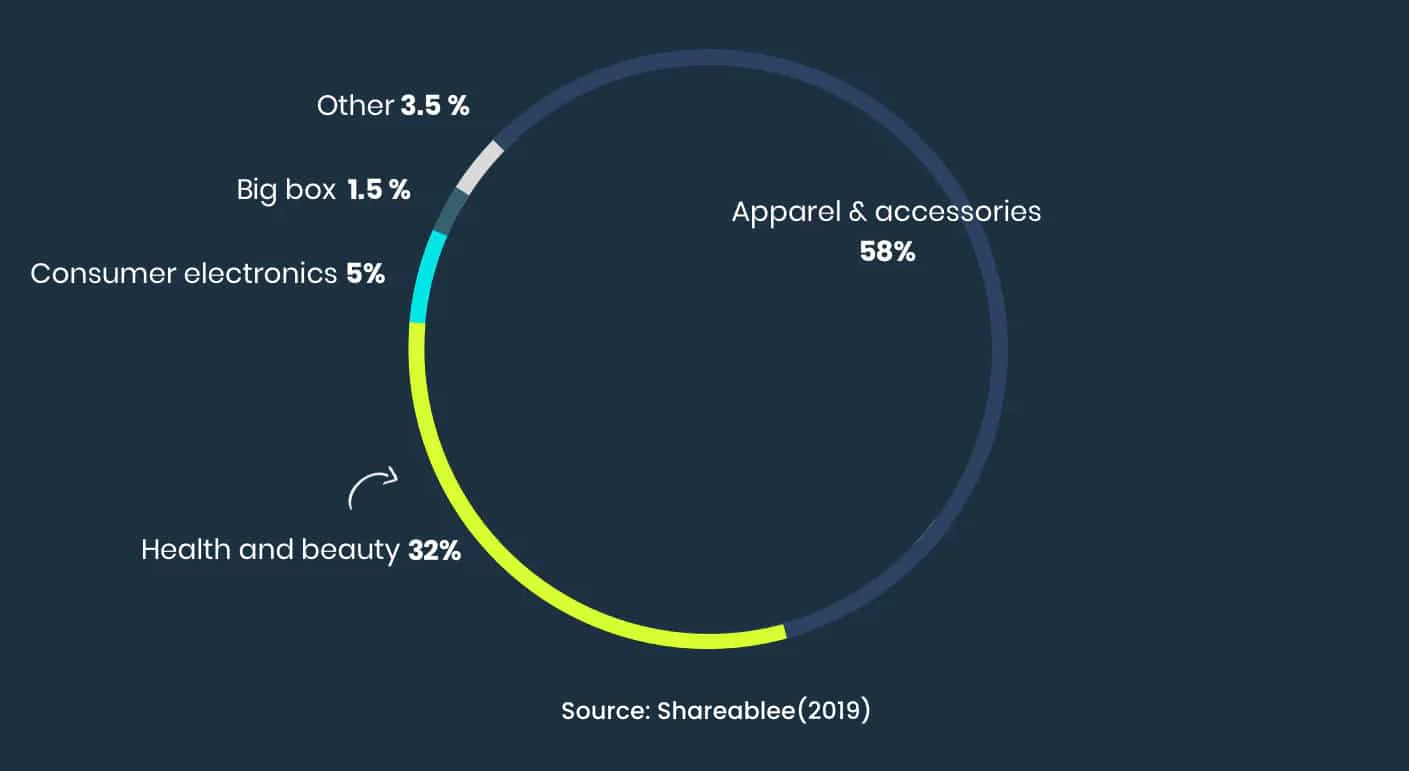
According to a research conducted by Shareablee, Health and Beauty is the most watched video category on Youtube and draws the 2nd highest amount of social media action only after Fashion and Apparel.

With the complexity of demand patterns for beauty products, it becomes challenging to forecast demand accurately and avoid overstocking or understocking. Overstocking can lead to high inventory holding costs, markdowns, and waste, while understocking can result in lost sales, stockouts, and customer dissatisfaction.

To cope with demand fluctuations, beauty retailers need to use data-driven AI/ML based forecasting methods that predict accurate demand at channel category and store nuances.

So it is not a surprise that McKinsey notes that using ML and AI in inventory demand prediction and supply chain management can reduce errors by up to 50% and reduce lost sales and product unavailability situations by 65%. This can lower warehousing costs by up to 10% and administration costs by up to 40%.

Learn how machine learning improves retail demand forecasting

Managing inventory across channels and stores is becoming increasingly inhumane

Inventory optimization presents a significant challenge for health, beauty, and wellness retailers in today’s landscape. Not only is accurately predicting demand notoriously difficult, but aligning supply chain planning decisions without jeopardizing retail success adds further complexity. Numerous factors contribute to this challenge, each requiring careful consideration and strategic handling. Let’s address these factors individually to better understand their impact.

1 Dealing with product diversity

Beauty and personal care items vary widely in size, color, shape, and formulation, necessitating diverse storage, handling, and display requirements. For instance, certain products may necessitate storage in cool, dry environments, while others benefit from attractive or interactive displays.

Additionally, beauty products exhibit distinct life cycles, margins, and turnover rates, influencing decisions regarding retail replenishment solutions and allocation. Supply chains need to adjust to this new reality.

2 As Omni-channel as it could get

Furthermore, in today’s dynamic environment where health, beauty, and wellness retail is evolving towards customer-centricity and omnichannel experiences, consumer expectations have soared.

Customers demand superior quality, abundant availability, and a diverse array of beauty products, alongside seamless, personalized retail shopping experiences characterized by convenience and speed. They anticipate multiple channels and options for browsing, purchasing, and receiving products, including online platforms, physical stores, and click-and-collect services.

The prevalence of online sales in health and beauty sectors often surpasses that of other industries, underscoring the necessity for real-time monitoring of product availability. A shortfall in any item can result in the loss of an entire customer order.

While most customers show Omnichannel buying behavior, visiting store is central to decision making

To meet these heightened expectations, beauty retailers must integrate their inventory seamlessly across various channels and locations, optimize allocation and distribution, and offer tailored services to enhance real time customer engagement and loyalty.

3 The rise and rise of complex promotion mechanics

Health and beauty retailers operate in a cutthroat market where promotions dominate, comprising a whopping 80% of goods.

Innovative sales tactics like “buy one, get one free” and “buy one, get two” are commonplace, demanding a unique approach to inventory management.

Navigating this terrain requires retailers to juggle demand projections and orders with finesse, ensuring they don’t drown in excess stock while keeping shelves well-stocked for eager customers.

The current replenishment techniques that rely on excel based calculations and past-data modeling are proving inadequate in this fast-paced retail environment where supply chain is fragile. Retailers need to realize the complexity has greatly increased and leaving key ordering decisions to manual interventions can prove costly.

This is where ai replenishment planning can help. By not just factoring for demand fluctuations through more accurate predictors of sales, but also accounting for supply chain factors such as lead time, minimum order quantity, shelf life and expiry date – AI powered replenishment is scarily accurate everytime. This can mean your team being more accurate in ordering for over 85% of SKUs.

Check out top 5 reasons why your store replenishment might be ineffective

Suppliers galore, but not enough collaboration

As a beauty retailer, maintaining seamless communication with suppliers is paramount to avoid delays and frustration. The cosmetics and personal care industry moves at lightning speed, demanding swift responses for thriving businesses. With innovation at its core, there’s little margin for error.

Introducing new products presents its own set of challenges. From supplier collaboration onboarding to approvals, updating information, placing orders, processing payments, and sharing vital demand signals, every step requires meticulous attention.

Unfortunately, traditional collaboration methods often rely on manual processes, prone to errors and missed opportunities. It’s no surprise that nearly 80% of retail product launches end in failure without effective supplier processes in place.

Moreover, the costs associated with managing supplier information and the order-to-payment cycle are significant. Many retailers still rely on labor-intensive methods, with an estimated cost of nearly $1 million for health and beauty retailers just to maintain these records.

Furthermore, effective coordination with retail vendor collaboration is critical for successful trade promotions. Failure to do so can result in significant financial losses, with retailers risking over $1.5 million in missed opportunities and operational costs. To mitigate these risks and maximize profitability, streamlined supplier processes and enhanced communication channels are essential.

Check out your potential savings with true supplier collaboration

Empowering Your Teams With The Power Of AI

In the ever-evolving world of health, beauty, and wellness retail, embracing AI-powered solutions can revolutionize your team’s approach. The true power of AI lies in its capacity to learn and adapt to the intricacies of your business, offering granular insights to optimize decision-making. Here are the key areas where AI can truly elevate your operations:

1 Demand Forecasting

AI-driven demand forecasting frameworks utilize advanced algorithms to analyze historical sales data, market trends, and external factors such as weather, promotions, social media influence. By accurately predicting future demand, retailers can optimize inventory levels, minimize stockouts, and reduce excess inventory holding costs. This not only ensures product availability but also enhances customer satisfaction and maximizes profitability.

2 Inventory Replenishment

AI-powered replenishment optimization enables retailers to transform from static and “one-size-fits-all” to hyper-local replenishment planning. Its ML-based demand forecasting accurately predicts real demand across store, channel and categories while intelligent algorithms optimize order plans for constraints such as shelf-life, lead-time, expiration date, minimum order quantity, minimum display stock, and standard ordering frequency constraints. Automated reorder triggers ensure timely replenishment of stock, reducing the risk of stockouts and eliminating manual intervention. By optimizing inventory levels across channels and locations, retailers can improve operational efficiency and capitalize on sales opportunities.

3 Supplier Collaboration

Smart and automated supplier platforms  facilitate seamless communication and collaboration with suppliers, streamlining processes from product onboarding to order management. By automating supplier-related tasks such as order placement, invoice processing, and payment reconciliation, retailers can minimize errors, reduce lead times, and improve supply chain efficiency. Enhanced visibility into supplier performance and inventory availability enables proactive decision-making and fosters stronger partnerships.

Conclusion

In the fast-paced realm of health, beauty, and wellness retail, challenges like fluctuating demand and complex supply chains are ever-present. Yet, AI-powered solutions offer a transformative path forward. With AI driving demand forecasting, store replenishment, and supplier collaboration, retailers can not only meet but surpass customer expectations, all while boosting profitability. In this ever-changing landscape, AI stands as the cornerstone of success.

Table Of Contents
Riding The Waves Of Ever-Volatile Demand
Managing inventory across channels and stores is becoming increasingly inhumane
Suppliers galore, but not enough collaboration
Empowering Your Teams With The Power Of AI
Conclusion

Mastering Success Amidst Product Cannibalization with AI-powered strategies

Merchandising and Supply Chain
Blogs

Mastering Success Amidst Product Cannibalization with AI-powered strategies

Ah, the joyous season is almost upon us, and retailers are donning their festive hats to prepare for the promotional whirlwind – scrambling to finalize the assortment and promotions for the season.

Yet, amidst the tinsel and cheer, there’s a not-so-merry disruptor lurking—In-store product cannibalization.

What exactly is this grinch-like phenomenon, how does it threaten the holiday merchandising feast, and how can AI save the day? Let’s unwrap the mystery.

Unmasking Product Cannibalization

Picture this: one product munching on the demand of another, akin to a festive feast gone awry. This, my friends, is the essence of in-store cannibalization. It’s like musical chairs, but instead of chairs, products are vying for the attention of eager shoppers.

But why does this happen? Blame it on the combination of rampant discounts and the waning loyalty towards brands, especially for everyday products.

The grocery aisle becomes a battleground, and every product hopes to be the shining star of the season. Steep discounts and promotions become the magic wand, but sometimes, the spell goes awry, leading to products devouring each other’s demand. It’s a retail jungle out there!

The Sales Tango – When Promotions Hit The Floor

In the delightful world of sales bumps, customers aren’t just making purchases; they’re doing the purchase acceleration mambo—maintaining their usual consumption but sneakily stockpiling for increased consumption later. Talk about a shopping spree with a twist!

Then there’s the increasing quantity cha-cha. Customers aren’t just sipping on a soft drink; they’re guzzling down bottles of joy because, hey, its holiday season! More sips, more smiles, and a whole lot of consumption celebration.

Now, let’s salsa into switching behavior. Picture this: a customer gracefully gliding from a cola to bottled water (that’s some fancy category switching), or doing the brand tango—swapping from Coke to Pepsi. Oh, and don’t forget the store shuffle—picking a different supermarket for a shopping spree. Lastly, there’s the SKU salsa—grabbing a different product of the same brand, right there, right then.

Repercussions Of Demand Shift

While we’re busy calculating the demand lift due to promotions, the silent shift in demand often goes unnoticed. Well, my fellow retailers, it’s not just a minor hiccup—it’s a disruptive force.

In the study by Van Heerde et al., it’s a tale of two stores: one offering a tantalizing price promotion, and the other, well, just doing its regular thing. Imagine the suspense!

For the peanut butter enthusiasts (yes, that’s a thing), the findings are like music notes in a symphony. There are cross-brand effects (43% shift in secondary demand), cross-period effects (24% shift due to primary demand borrowed from other time periods), and category expansion (33% shift due to market expansion and cross-store effects).

What does this mean for Retailers?

It means shelves groaning under the weight of aging stock, margins doing a disappearing act, and, in some cases, products reaching their expiration date in bulk. Talk about post-holiday blues lingering like an unwelcome guest into the next year.

It’s time to take off the rose-tinted glasses and acknowledge the ripple effect of in-store cannibalization.

AI’s Carol For Retail Success

Fear not, weary retailers, for there’s a solution to tame the cannibal Grinch! The key lies in a symphony of demand forecasting solutions and replenishment frameworks that not only capture the demand “LIFTS” but also dance to the tune of demand “SHIFTS” caused by promotions.

Picture this: a symphony of algorithms orchestrating a flawless forecasting and replenishment planning solutions framework that not only predicts the future but does so with a keen awareness of cannibalization effects.

AI, with its prowess in data analysis and pattern recognition, transforms the art of prediction into a science. By sifting through mountains of historical sales data, weather patterns, social trends, and even the subtle nuances of consumer behavior, AI paints a vivid picture of what lies ahead. But what sets it apart in the realm of cannibalization is its ability to dissect the intricate relationships between products.

Traditional forecasting models often struggle to capture these nuanced interactions. AI, however, navigates this labyrinth effortlessly. Through advanced machine learning techniques, it identifies not only the direct impact of one product on another but also the ripple effects that resonate through the entire inventory.

Moreover, its ability to optimize order schedule based on supply chain constraints such as lead time, minimum order quantity, order frequency etc. as well as category factors such as expiration dates, and shelf life at a granular level clearly sets it apart from the traditional approach.

Achieve lean retail inventory optimization solution, reduce out-of-stocks and food wastage by algorithmically optimizing your replenishment with automatic store replenishment.

Future-proofing Your Retail Game

What makes this framework future-proof is the adaptability of AI. It doesn’t just learn from historical data; it evolves with the changing landscape of consumer preferences and market dynamics.

Moreover, AI is rooted in its ability to handle complexity. Traditional methods might falter when faced with a myriad of variables, but AI thrives in complexity. The more data it has, the better it becomes at untangling the web of relationships within a product portfolio.

Imagine a world where your store replenishment processes are aligned not just for individual products but for the entire product class. It’s a harmonious dance where each product complements the other, ensuring that post-holiday blues are replaced with a festive glow of success.

So, as you gear up for the seasonal planning extravaganza, remember the AI carol that sings the tune of demand shifts and lifts. Let it be your guiding star through the retail holiday galaxy, ensuring that jingle bells are heard, not the knells of cannibalization.

Happy seasonal planning, and may your shelves be merry and bright!

Table of Contents
Unmasking Product Cannibalization
The Sales Tango – When Promotions Hit The Floor
Repercussions Of Demand Shift
AI’s Carol For Retail Success
Future-proofing Your Retail Game