
We helped our client improve and optimise data management and usage

Case Study

We helped our client improve and optimise data management and usage

Segment

Retail

The Results

0
Unified data sources enabled 360-degree view of customer data has greatly reduced the time required to view data from different sources​

The Challenge

A franchisee of global fast-food brands was managing customer data across multiple disconnected systems, including point-of-sale (POS), loyalty programmes, delivery platforms, and third-party marketing tools. These data silos made it difficult to build a unified view of customer behaviour, slowing reporting processes and limiting the effectiveness of targeted marketing campaigns.

Marketing teams lacked a single source of truth to accurately segment audiences and automate real-time customer engagement. Integrating first-party and third-party data also introduced challenges around data consistency and system interoperability. As a result, identifying dormant customers, personalising offers, and launching timely campaigns required significant manual effort and delayed decision-making.

The client needed a unified data foundation that could consolidate customer information from multiple sources, generate actionable insights, and enable automated, data-driven marketing at scale.

The Execution

A franchisee of global fast-food chains sought to improve the way it managed and utilised customer data. The client aimed to unify siloed first-party and third-party data to create a comprehensive view of customer behaviour, enabling advanced customer segmentation and real-time marketing automation.

ADA designed and implemented a Customer Data Platform (CDP) that consolidated data from multiple sources into a single, unified customer view. This foundation enabled the creation of dynamic audience segments and the automation of personalised marketing campaigns across integrated platforms. ADA also conducted in-depth data analysis to address key business challenges, including identifying the common characteristics of dormant customers and uncovering opportunities to improve customer engagement.

Table Of Contents
The Results
The Challenge
The Execution

Explore More Resources on Personalized Marketing

Wine.com Drives AttributeBased Recommendations for Personalization
Food & Beverage US

Wine.com Drives AttributeBased Recommendations for Personalization

See full story
0 %
Reduction in out-of-stock across stores
0 %
increase in revenue

Let’s turn your data and AI into measurable outcomes

We helped leading ecommerce brand reduce customer churn and reengage their buyers with data analytics and data strategy

Case Study

We helped leading ecommerce brand reduce customer churn and reengage their buyers with data analytics and data strategy

Segment

Retail

The Results

Successful Re-engagement Strategy | 5 Key Customer Segments Defined | Efficient Re-engagement Parameters Established

  • 9% reduction in customer churn rate.
  • Optimal discount sweet spots identified for each customer segment.
  • Efficient re-engagement timeline established at 18 days.

The Challenge

A leading kidswear e-commerce brand in India, serving more than 2 million customers, was facing a growing customer retention challenge. Nearly 46% of first-time buyers did not return to make a second purchase, resulting in an estimated USD 2.5 million in lost revenue over six months.

The brand lacked a structured approach to understanding why one-time buyers churned and how to re-engage them effectively. Broad, untargeted promotions led to excessive discounting with limited impact, while inconsistent audience targeting meant many high-potential customers were overlooked.

The client needed a data-driven strategy to identify the most valuable customer segments, determine the optimal timing for engagement, and deliver the right level of incentives to increase repeat purchases while protecting profit margins and optimising marketing spend.

The Solution

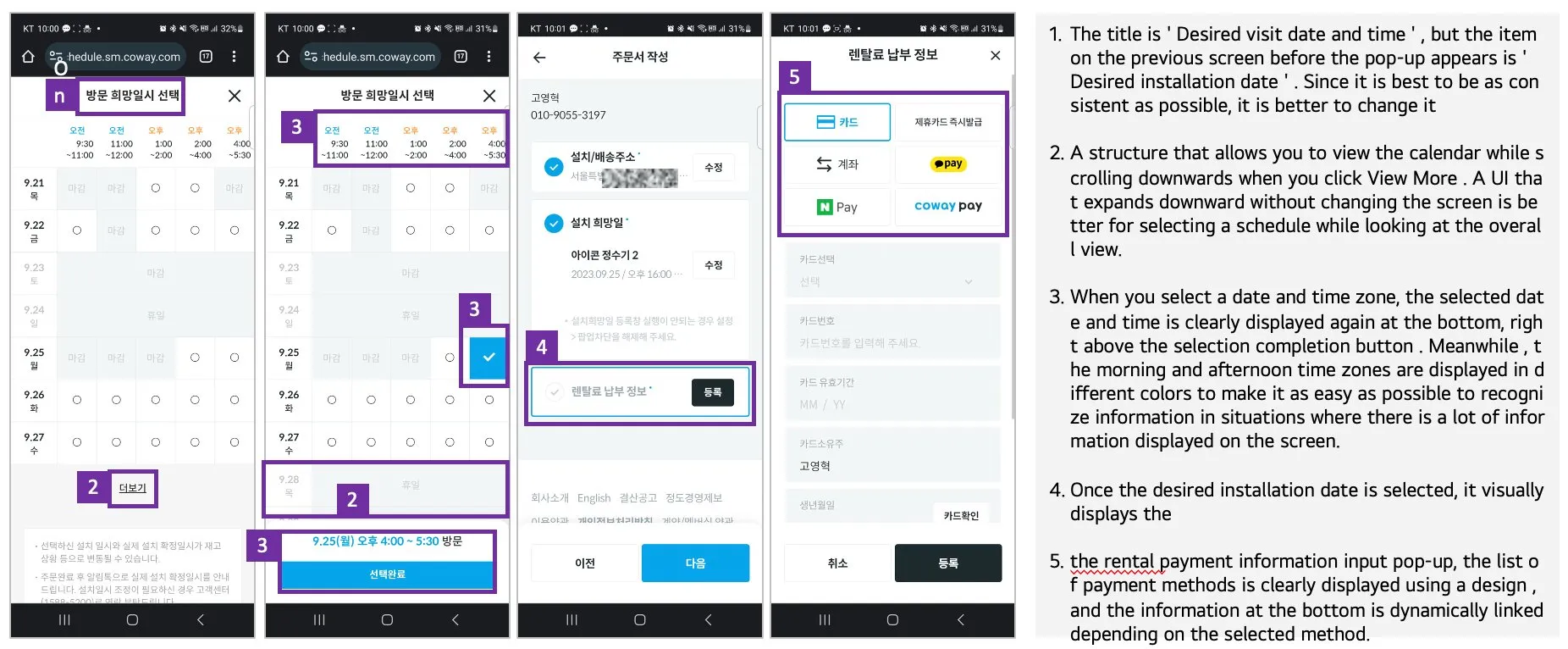
The client is the service division of a leading global consumer electronics brand. While committed to improving its digital customer experience, the organisation lacked clear evidence of how website usability influenced service conversion rates.

Previous user experience (UX) improvements were based primarily on qualitative observations rather than quantitative data, making it difficult to measure their impact or prioritise design changes effectively.

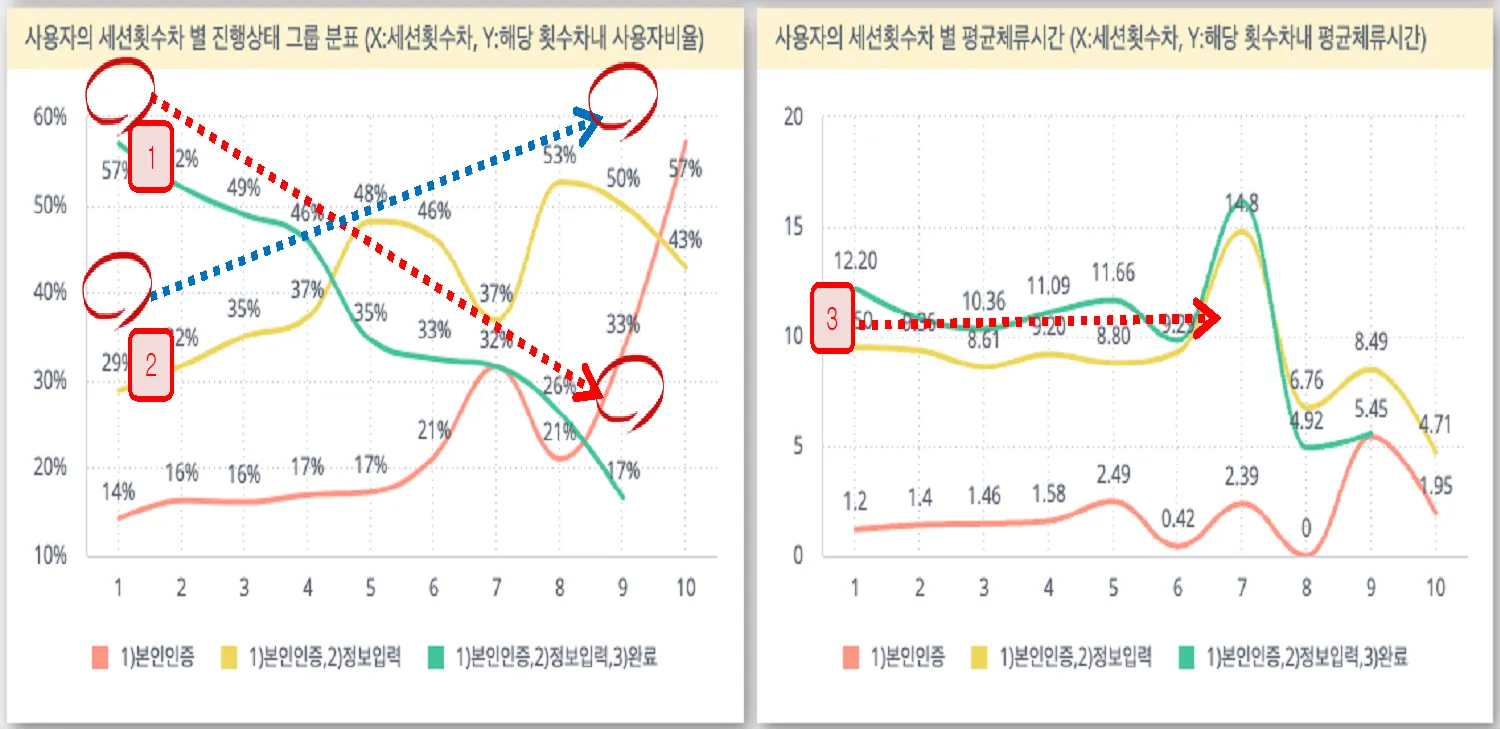
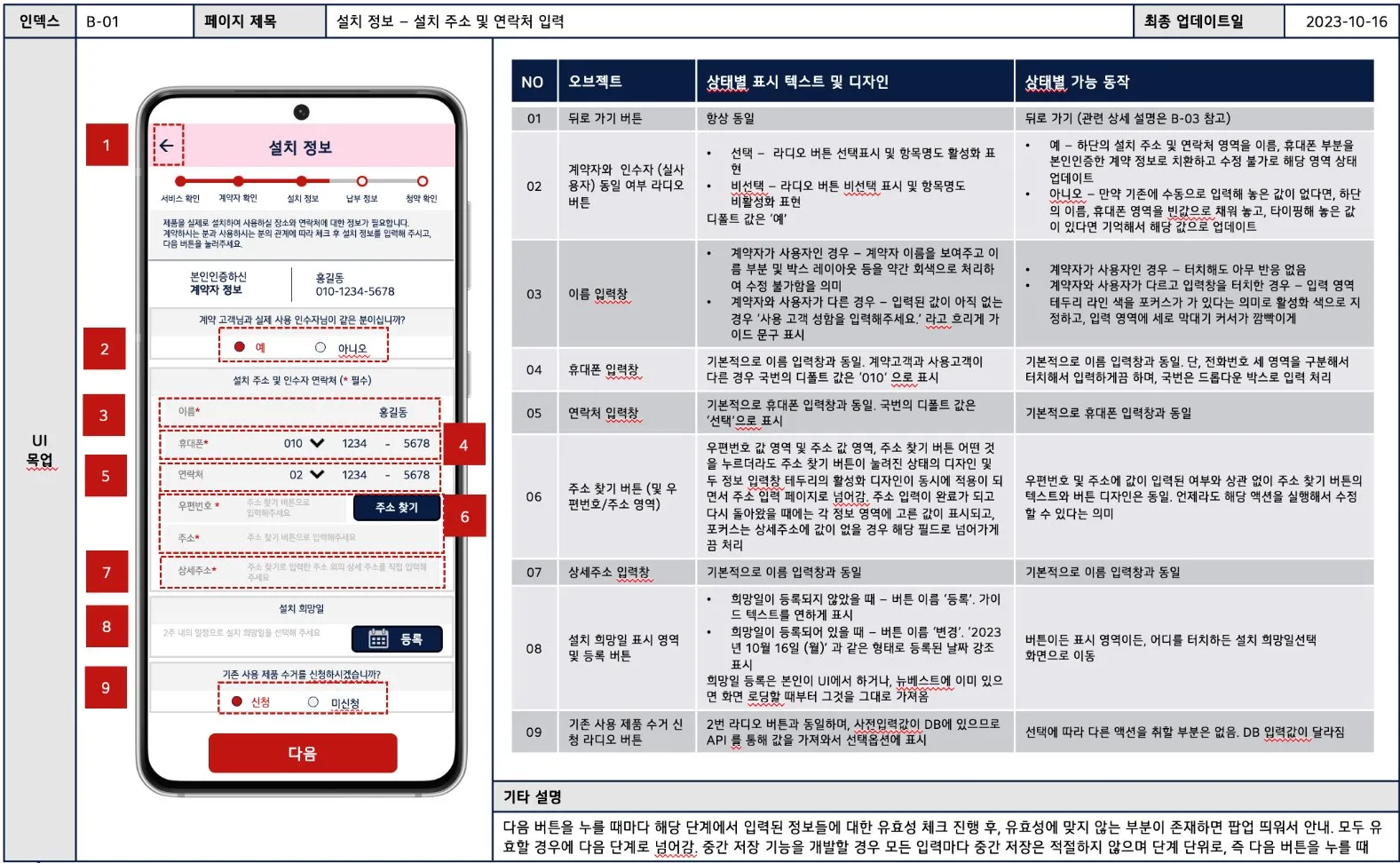
ADA validated these findings through quantitative analysis, complemented by expert UX evaluations and benchmarking against competitor websites. We also established an always-on monitoring framework to continuously track website performance and support ongoing UX optimisation.

In addition, ADA developed interactive data dashboards to identify specific user interface (UI) improvement opportunities, analyse user journey bottlenecks that affected conversion goals, and uncover behavioural patterns among non-converting visitors.

These data-driven insights formed the foundation for ADA’s UX redesign strategy, enabling targeted website enhancements that improved the overall customer experience and supported higher service conversion rates.

The Execution

Summarising qualitative consulting with industry benchmarking.
Analysing data to identify usability issues and recommend effective solutions.
Recommended website UX design based on comprehensive qualitative and quantitative research.

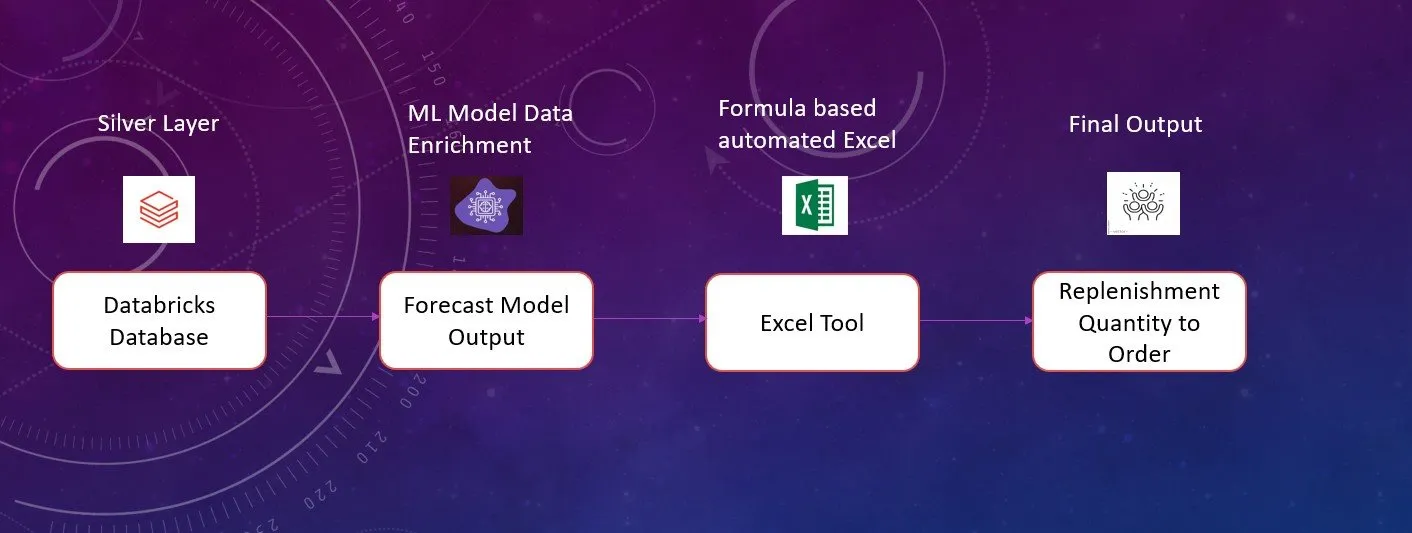
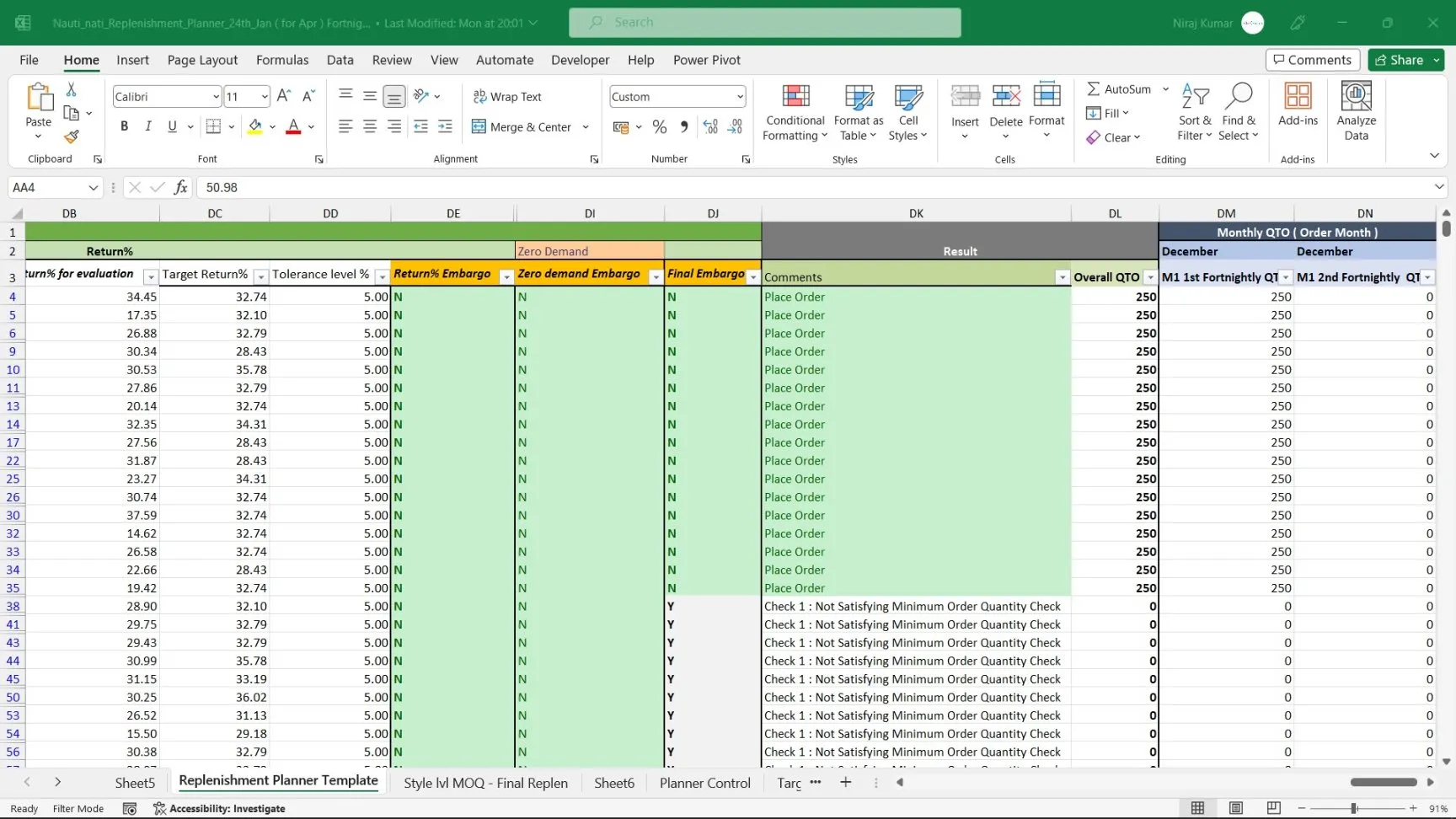
ADA developed a robust demand forecasting solution using advanced forecasting techniques, including ARIMA, Structural Equation Modelling (SEM), and Facebook Prophet, complemented by an intuitive Excel-based planning tool for business users.

The Supply Chain and Growth teams gained access to a bi-weekly updated planning tool that provides a comprehensive view of inventory levels across multiple supply chain tiers. The solution enables teams to adjust forecasts and place inventory orders based on business targets and operational requirements.

By replacing manual planning with data-driven forecasting, the solution empowers stakeholders to make faster, more informed decisions. This scientific approach improves operational efficiency, optimises inventory planning, and ensures strategic decisions are supported by predictive analytics and quantitative insights.

Table Of Contents
The Results
The Challenge
The Solution
The Execution

Explore More Resources on Personalized Marketing

Wine.com Drives AttributeBased Recommendations for Personalization
Food & Beverage US

Wine.com Drives AttributeBased Recommendations for Personalization

See full story
0 %
Reduction in out-of-stock across stores
0 %
increase in revenue

Let’s turn your data and AI into measurable outcomes

ADA helped a leading digital first “House Of Brands” gain competitive market intelligence by building a modern data platform on Databricks

Case Study

ADA helped a leading digital first “House Of Brands” gain competitive market intelligence by building a modern data platform on Databricks

Segment

Retail

The Results

Process Automation
Eliminated manual data collection requirements
Data Accuracy
Eliminated data discrepancy issues
Data Analysis Readiness
Enabled data scientists to make dashboards and ML models

The Challenge

The client is a leading digital-first House of Brands focused on accelerating the growth of direct-to-consumer (D2C) businesses across the region. By managing multiple brands, the company is committed to building a scalable, data-driven retail ecosystem.

The client relied on manual data collection from its managed brands, resulting in reporting delays, data inaccuracies, and limited access to timely business insights for decision-making. In addition, the company lacked visibility into performance data across its brands’ e-commerce websites and marketplace channels, making it difficult to monitor operations and optimise business performance.

The Solution

ADA conducted a series of proof-of-concept (POC) initiatives to evaluate the most suitable cloud platform and technology stack. Based on cost, scalability, and performance, we designed and implemented an end-to-end data pipeline and modern data warehouse using Databricks and Amazon Web Services (AWS).

The new data platform consolidated information from multiple sources, providing a unified view of sales, returns, inventory, and financial performance. This enabled faster reporting, improved data accuracy, and more informed business decision-making.

ADA also developed bespoke API connectors for a range of e-commerce platforms to automate data ingestion and enrich the central data repository. In addition, we implemented web scraping capabilities to collect competitive market intelligence—including pricing, product rankings, and market trends—helping the client optimise its product strategy and respond more effectively to changing market conditions.

Table Of Contents
The Results
The Challenge
The Solution

Explore More Resources on Personalized Marketing

Wine.com Drives AttributeBased Recommendations for Personalization
Food & Beverage US

Wine.com Drives AttributeBased Recommendations for Personalization

See full story
0 %
Reduction in out-of-stock across stores
0 %
increase in revenue

Let’s turn your data and AI into measurable outcomes!

We helped a leading ecommerce brand increase conversion and improve automation-driven marketing efficiency

Case Study

We helped a leading ecommerce brand increase conversion and improve automation-driven marketing efficiency

Segment

Retail

The Results

0 %
Increase in Conversion Rate​
0
hours
Reduction in processing time​
0 %
Reduction in manual effort

The Challenge

The client’s marketing agility was stifled by manual data processes for cohort creation and CRM updates, affecting stakeholder activities and the need for real-time data to enhance marketing conversion rates.​

The Solution

ADA implemented a comprehensive marketing automation solution that modernised the client’s campaign operations. The solution included an automated cohort generation pipeline, scalable data storage on Amazon S3, and Apache Airflow for orchestrating and scheduling data workflows, significantly improving operational efficiency and data processing accuracy.

The new marketing automation framework reduced manual workload by 89%, shortened processing time by three hours, and delivered a 4% increase in conversion rates. These improvements demonstrated the value of automation in streamlining marketing operations and driving measurable business outcomes in e-commerce.

Table Of Contents
The Results
The Challenge
The Solution

Explore More Resources on Personalized Marketing

Wine.com Drives AttributeBased Recommendations for Personalization
Food & Beverage US

Wine.com Drives AttributeBased Recommendations for Personalization

See full story
0 %
Reduction in out-of-stock across stores
0 %
increase in revenue

Let’s turn your data and AI into measurable outcomes

We helped a leading ecommerce retailer trial a centralised data operations team to improve efficiencies and reduce incident rates

Case Study

We helped a leading ecommerce retailer trial a centralised data operations team to improve efficiencies and reduce incident rates

Segment

Retail

The Results

0 %
The average Time-To-Response for frequent data issues was reduced from 20 days to 5 days
0 %
​Average weekly incidents was reduced from 30 to 10
Effiency
Customer’s engineering teams could focus on improving the source data integrations

The Challenge

A leading Indian e-commerce platform in fashion, beauty, and lifestyle operated with fragmented data ownership across departments such as marketing, finance, and insights. Each team requested different datasets, commercial metrics, clickstream data, storefront analytics, creating a constant stream of ad hoc data pipeline requests.

Engineering teams were overwhelmed with building, maintaining, and troubleshooting these pipelines, leading to long turnaround times for resolving data issues and a high volume of recurring incidents. The lack of centralized triage and standardized processes created inefficiencies, duplicated effort, and inconsistent data quality across teams.

The client needed a more structured data operations model to reduce incident volume, speed up response times, and free engineering resources to focus on improving core data integrations and platform reliability.

The Solution

ADA helped define and trial a centralized data operations team that would triage and manage all departmental data issues, perform initial assessment, and route analysis findings to the relevant engineering teams.

ADA also improved the data process and minimized incident rates by building self-healing data pipelines and reporting on data accuracy. ADA also put in place data pipelines and business logic for derived and aggregated datasets orchestrated using Azkaban; a batch workflow job scheduler that allows for tracking and monitoring of the data workflows.

Table Of Contents
The Results
The Challenge
The Solution

Explore More Resources on Commerce Personalization

Wine.com Drives AttributeBased Recommendations for Personalization
Food & Beverage US

Wine.com Drives AttributeBased Recommendations for Personalization

See full story
0 %
Reduction in out-of-stock across stores
0 %
increase in revenue

Let’s turn your data and AI into measurable outcomes

ADA helped a leading online pharmacy optimize data storage costs and performance by migrating from AWS Redshift to Apache Hive

Case Study

ADA helped a leading online pharmacy optimize data storage costs and performance by migrating from AWS Redshift to Apache Hive

Segment

Retail

The Results

0 %
Reduction in storage costs​
0 %
Performance reduction of query run time from ~50 minutes to ~15 minutes​
0
months
Reduction of query run time from ~50 minutes to ~15 minutes​

The Challenge

A leading online pharmacy and medical platform serving 1,000+ cities and 22,000+ pin codes was experiencing rapid data growth from streaming transactions, customer activity, and operational reporting. Their existing AWS Redshift data warehouse began facing scalability limits, with storage costs rising sharply and query performance slowing down.

Long-running queries—often taking nearly an hour—delayed reporting cycles and impacted decision-making across operations, supply chain, and customer analytics teams. At the same time, the business needed to maintain uninterrupted reporting while modernising its data infrastructure, making migration and optimisation complex and high-risk.

The client required a scalable, cost-efficient data warehouse solution that could reduce storage expenses, improve query performance, and support continued growth without disrupting critical analytics workflows.

The Solution

The customer is the region’s top online pharmacy and medical care platform with doorstep delivery service available in 1000+ cities and towns across 22000+ pin codes. They provide a wide range of over-the-counter products and medical equipment across a broad budget spectrum.

The customer was facing growing storage costs and scalability bottlenecks on their existing AWS Redshift data warehouse as their volume of streaming and transactional data was increasing. They needed a more cost-effective and customizable data warehouse for their data growth.

ADA helped to evaluate different technologies and developed a phase-by-phase plan to migrate the existing data to a Hadoop-based Apache Hive data warehouse. We ensured that existing data reporting operations remained unaffected during the migration process.

ADA established best practices, performed necessary data validation, and deployed optimized codes that would power multiple business-wide dashboards and reports.

Table Of Contents
The Results
The Challenge
The Solution

Explore More Resources on Commerce Personalization

Wine.com Drives AttributeBased Recommendations for Personalization
Food & Beverage US

Wine.com Drives AttributeBased Recommendations for Personalization

See full story
0 %
Reduction in out-of-stock across stores
0 %
increase in revenue

Let’s turn your data and AI into measurable outcomes

We helped a leading ecommerce retailer automate their financial month end closing and reduce their turn around time​

Case Study

We helped a leading ecommerce retailer automate their financial month end closing and reduce their turn around time​

Segment

Retail

The Results

0 %
Reduced month end closing effort from 7-10 man days to only 4 hours.
Reduced the turn-around-time for resolving data discrepancies.​

The Challenge

A leading Indian e-commerce platform in fashion, beauty, and lifestyle was struggling to close its financial books efficiently at month end. The finance team relied on manual calculations and reconciliations, taking 7–10 man days to complete reporting and increasing the risk of errors.

Data discrepancies across multiple systems covering taxes, commissions, stock transfers, and goods received caused further delays, slowing down dependent processes such as accounts receivable, accounts payable, and inventory reconciliation.

The client needed a faster, more reliable way to automate calculations, improve data accuracy, and streamline month-end closing without disrupting ongoing finance operations.

The Solution

An eminent Indian e-commerce entity specializing in fashion, beauty, and lifestyle products faced significant challenges to expedite their financial month-end closing.

The customer’s finance team was manually calculating and reporting their month-end closure, taking between 7–10 man days to complete. Compounded by the high turnaround time to resolve data discrepancies and provide clean data, this further impacted other dependent finance activities such as accounts receivable, accounts payable, and inventory.

ADA helped to reduce the turnaround time by building automated data pipelines that calculated the various figures required for their financial reporting (e.g., tax, commissions, stock transfer notes, goods received notes).

ADA built data completeness checks and split the month-end closure activity into separate phases (Phase 1: start of month till 24th of the month, Phase 2: 24th till month end), allowing us to quickly identify and resolve any data discrepancies early on.

Table Of Contents
The Results
The Challenge
The Solution

Explore More Resources on Commerce Personalization

Wine.com Drives AttributeBased Recommendations for Personalization
Food & Beverage US

Wine.com Drives AttributeBased Recommendations for Personalization

See full story
0 %
Reduction in out-of-stock across stores
0 %
increase in revenue

Let’s turn your data and AI into measurable outcomes

How ADA delivered 80% GMV growth and 60% conversion uplift through marketplace operations 

Case Study

How ADA delivered 80% GMV growth and 60% conversion uplift through marketplace operations

Segment

Retail

The Results

0 %
GMV growth
0 %
conversion rate uplift
0 %
ATP rate maintained

The Challenge

As marketplaces rebounded post-COVID, the client needed to capture renewed demand while rebuilding operational stability. Rapid shifts in consumer behaviour created unpredictable demand patterns, making it difficult to sustain growth without overstocking or running into availability issues.

At the same time, campaign planning became increasingly complex. Coordinating promotions across multiple SKUs, brands, and seasonal events required precise assortment decisions, while fragmented inventory management led to stockouts, delayed fulfilment, and missed sales opportunities.

The client needed a structured marketplace strategy that could balance growth, conversion performance, and inventory efficiency, all while maintaining high service levels across campaigns.

The Solution

ADA implemented an end-to-end marketplace operations framework to improve execution consistency and scalability. We introduced a structured weekly campaign planning cadence aligned with sales targets and key marketplace events, ensuring the right assortment mix and promotional strategy for each campaign window.

Clear assortment guidelines were developed using performance data and demand forecasting, helping prioritize high-converting SKUs and avoid low-impact listings. In parallel, we strengthened inventory planning with tighter demand forecasting and replenishment processes, maintaining a 95% ATP rate to ensure product availability during peak campaign periods.

Finally, monthly business reviews were established to track performance metrics, identify optimisation opportunities, and refine strategies continuously. This disciplined, data-driven approach helped the client scale marketplace performance sustainably while improving conversion rates and operational efficiency.

Table Of Contents
The Results
The Challenge
The Solution

Explore More Resources on Commerce Personalization

Wine.com Drives AttributeBased Recommendations for Personalization
Food & Beverage US

Wine.com Drives AttributeBased Recommendations for Personalization

See full story
0 %
Reduction in out-of-stock across stores
0 %
increase in revenue

Let’s turn your data and AI into measurable outcomes

ADA helped a global retailer create a modern unified data platform on Databricks to reduce operational costs and streamline data workflows

Case Study

ADA helped a global retailer create a modern unified data platform on Databricks to reduce operational costs and streamline data workflows

Segment

Retail

The Results

0 %
Costs reduction from streamlined workflows and optimized code
0
Dashboards
Medallion architecture on Databricks enabled faster dashboard refresh rates.
Data Confidence
Data validation measures ensured data accuracy and integrity post migration.

The Challenge

The customer is a leading global sporting goods retailer with a footprint in 56 countries and selling products from over 20 brands.

The Solution

The customer built their existing data platform on disparate cloud services (Amazon Redshift for data storage, Python/SQL for data processing, and Jenkins for workflow automation). The existing platform introduced many integration challenges that led to increased costs and reduced operational efficiencies.

ADA helped design, implement, and migrate their existing data to a new unified data platform on Databricks. We successfully resolved many technical challenges including handling and migrating diverse data sources, overcoming limited support for converting Python code to PySpark using innovative solutions, and ensuring data alignment between the old platform and the new Databricks platform.

The project was executed seamlessly, preserving data integrity and security while avoiding disruptions to ongoing operations.

The Approach

Our goal is to establish a gold layer within the Databricks system, utilizing data from the silver layer for business intelligence reporting. Our approach to achieve this involves:

  • Data Source Analysis: Understand current data sources and associated codes for a clear migration foundation.
  • Code Transformation with Optimization and Quality Checks: Convert Python/SQL to PySpark/Spark SQL, adding data quality checks for reliable data integrity and optimizing it for space and speed.
  • Data Validation and Comparison: Verify Databricks data against Redshift data, ensuring seamless alignment.
  • Data Orchestration: Schedule jobs using Databricks workflows, implementing monitoring and alerts for a reliable workflow.
  • Documentation and Knowledge Transfer: Document the migration process for reference and conduct knowledge transfer sessions for enhanced team adoption.
Table Of Contents
The Results
The Challenge
The Solution
The Approach

Explore More Resources on Commerce Personalization

Wine.com Drives AttributeBased Recommendations for Personalization
Food & Beverage US

Wine.com Drives AttributeBased Recommendations for Personalization

See full story
0 %
Reduction in out-of-stock across stores
0 %
increase in revenue

Let’s turn your data and AI into measurable outcomes

Boosting engagement by 156% for Thailand cosmetic brand

Case Study

Boosting engagement by 156% for Thailand cosmetic brand

Segment

Retail

The Results

  • Personalised creatives outperformed in every metric, mainly in the Female segment. CTR was 156% higher, VTR was 279% higher, and VTR completion was 134% higher.
  • Cost-per-click (CPC) decreased by 27% compared to Generic creatives.
  • The number of purchases of Male was 5 times higher than Female. The test revealed that the brand needs to tailor their message to the Male audience.
  • View rate performance increased by 166%, with 139% for completion view rate.
  • The VACE tool reduced over 40 to 50% of working hours and increased the flexibility of plugging in and out of the messages.
0 %
growth in view rate performance
0 %
growth in completion view rate
0 %
reduction of working hours

The Challenge

The beauty industry faced significant challenges amid the COVID-19 pandemic, particularly in Thailand where nationwide lockdowns severely impacted mall foot traffic. Our client, a cosmetic brand, grappled with declining demand for makeup products due to people spending more time at home. Furthermore, the closure of malls raised concerns about hygiene and infection risk, leading to a sharp decrease in product exposure and experiential interactions. To address these hurdles, the brand introduced a u0022VIRTUAL TRY-ONu0022 service to allow consumers to virtually test products and re-engage with the brand.

The Solution

To glean crucial insights into our client’s potential consumer base, we leveraged XACT, ADA’s proprietary DMP. This data-driven approach informed our consumer persona targeting strategy, with a focus on driving traffic to the official website for the “VIRTUAL TRY-ON” service using Facebook as the primary platform.

The utilization of VACE, ADA’s Video Analytics & Creation Engine tool, enabled the creation of personalized messages tailored to establish a strong connection and relevance among the target audience.

Table Of Contents
The Results
The Challenge
The Solution

Explore More Resources on Commerce Personalization

Wine.com Drives AttributeBased Recommendations for Personalization
Food & Beverage US

Wine.com Drives AttributeBased Recommendations for Personalization

See full story
0 %
Reduction in out-of-stock across stores
0 %
increase in revenue

Let’s turn your data and AI into measurable outcomes!